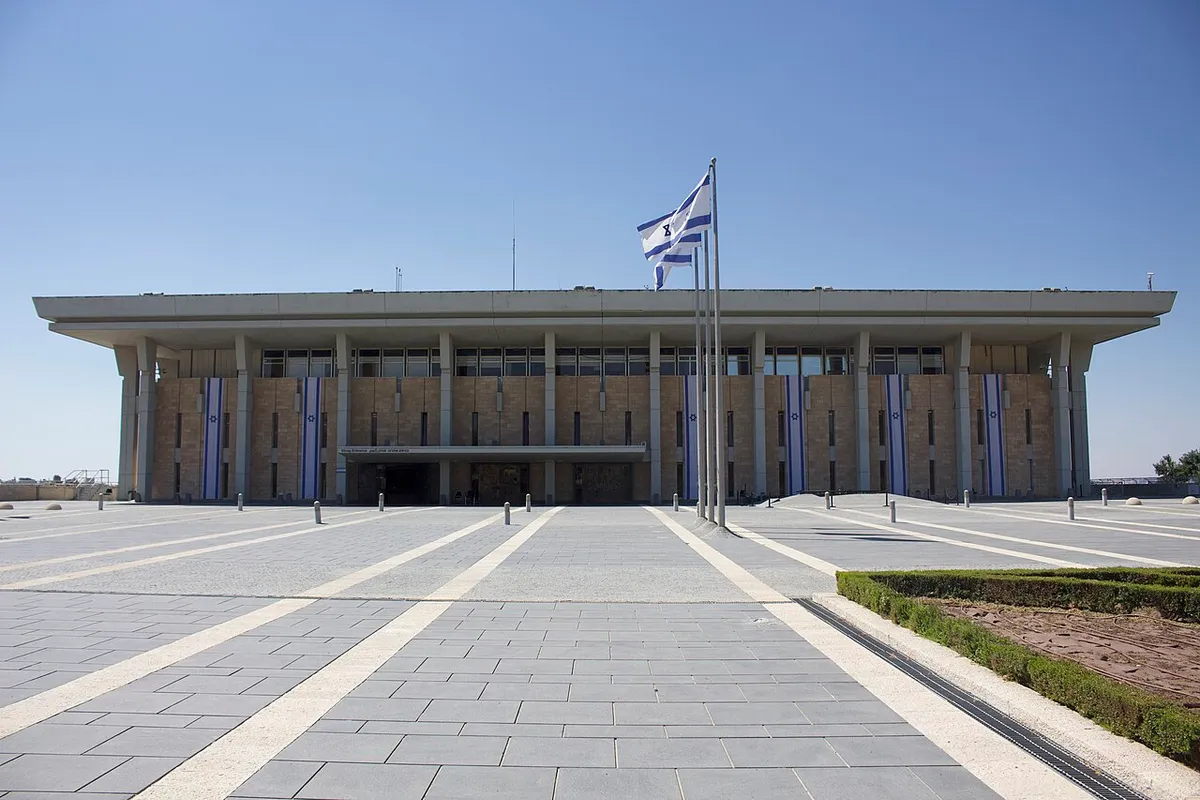
Israel's President Isaac Herzog has accepted the certified results of last week's parliamentary elections.
He has also started talks with party leaders on who should form the next government.
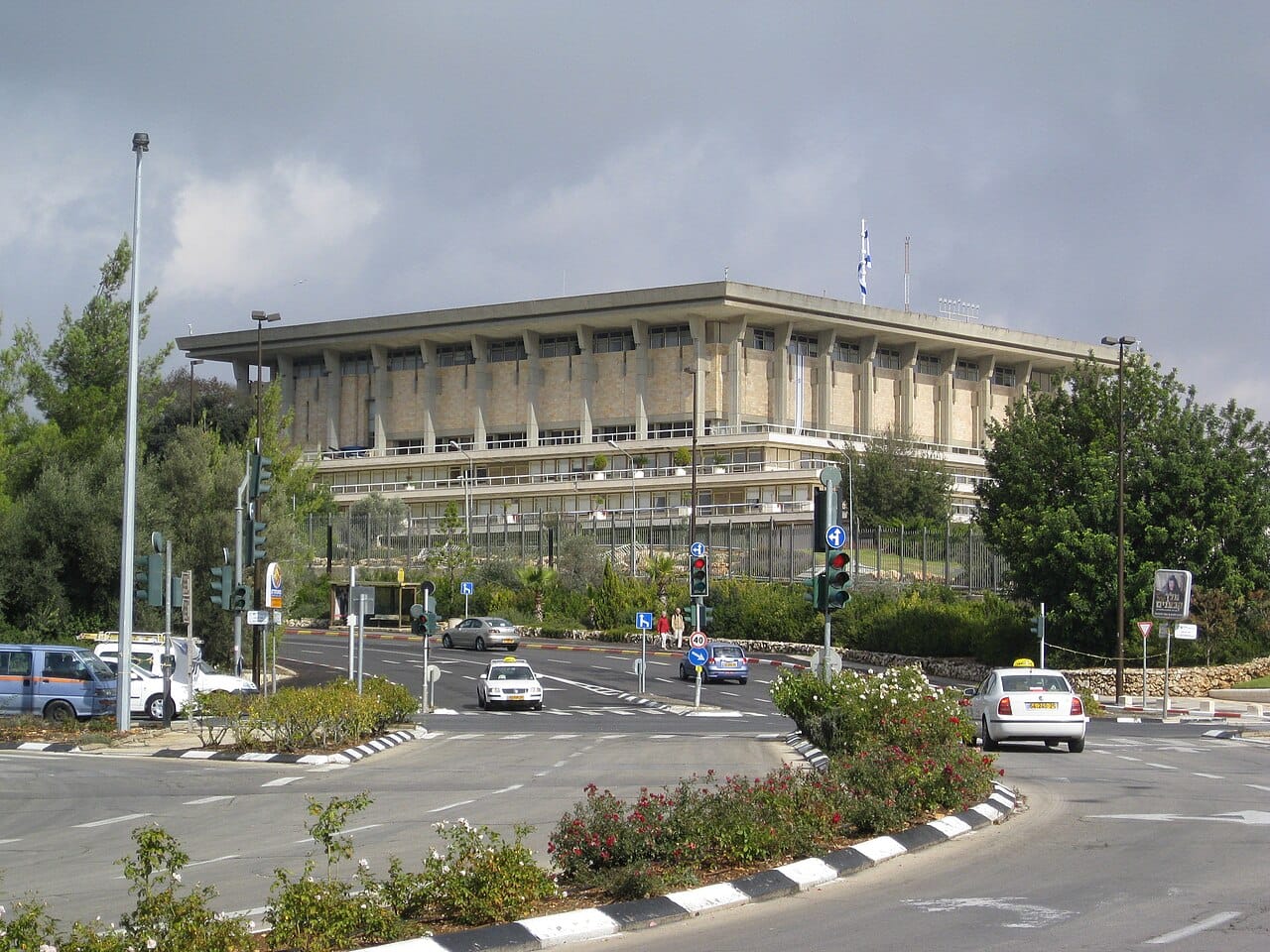
Al Jazeera reported this on Wednesday.
The move is a setback for Prime Minister Benjamin Netanyahu, who had tried to discredit the vote.
The vote was held on October 27. Neither side won the 61 seats needed to govern in the 120-member parliament.
Key points
- Netanyahu's coalition won 53 seats. Gadi Eisenkot's bloc won 48.
- Arab-led parties won a record 19 seats together.
- Herzog will pick one candidate, most likely Netanyahu or Eisenkot.
- If neither can form a government, Israel could hold another election early next year.
What do the seat numbers mean?
Netanyahu's coalition won 53 seats. Eisenkot's bloc won 48.
The two Arab-led parties, Ra'am and the Joint List, won a record 19 seats between them.
seats
Graphic: News Anek, from the facts in this report
That leaves two possible paths. Netanyahu and Eisenkot could form an alliance.
Or Eisenkot could join with the Arab-led parties.
Netanyahu and his supporters repeatedly claimed, without evidence, that the Arab-led parties had "stolen" the election, possibly with foreign help.
Israel's elections commission said it investigated all fraud claims.
It found "no evidence of irregularities" that affected the vote.
So why does this matter? The result decides who leads Israel's next government.
The sources do not say how it will affect India.
Who is backing whom in the talks?
Three factions close to Netanyahu recommended that he be given a chance to form a coalition.
A fourth faction, led by a former Netanyahu ally turned rival, backed Eisenkot.
Ra'am said it would recommend Eisenkot. Israeli news site Ynet estimates his expected support at 56 lawmakers.
That is still short of a majority.
The Joint List has not announced its position. Israel's Channel 12 reported that it may back Eisenkot.
Its 11 seats could take him past 61.
Degel HaTorah, an ultra-Orthodox faction, said it would recommend neither candidate.
It broke with Netanyahu over his coalition's failure to pass a law exempting ultra-Orthodox men from military service.
The Times of Israel reported this.
What happens next for the talks?
Talks continue on Thursday, with eight more parties meeting the president.
Eisenkot's Yashar party and Netanyahu's Likud will go last.
After the consultations, Herzog will choose the candidate he thinks can build a coalition.
That will almost certainly be Netanyahu or Eisenkot.
The chosen candidate will then have 28 days to form a government. That can be extended by 14 days.
Free Press Kashmir reported that Herzog urged politicians to compromise to avoid another election.
Sources
- Al Jazeera: Israel’s Herzog accepts vote results, opens talks on forming a government
- Free Press Kashmir: Israel’s Herzog accepts election results, begins talks on forming new government
- The Economic Times: Israel Election Results 2026 LIVE: Israel President accepts election results, to begin government formation talks