The United States has placed sanctions on an India-based businessman, his wife and nine Indian entities.
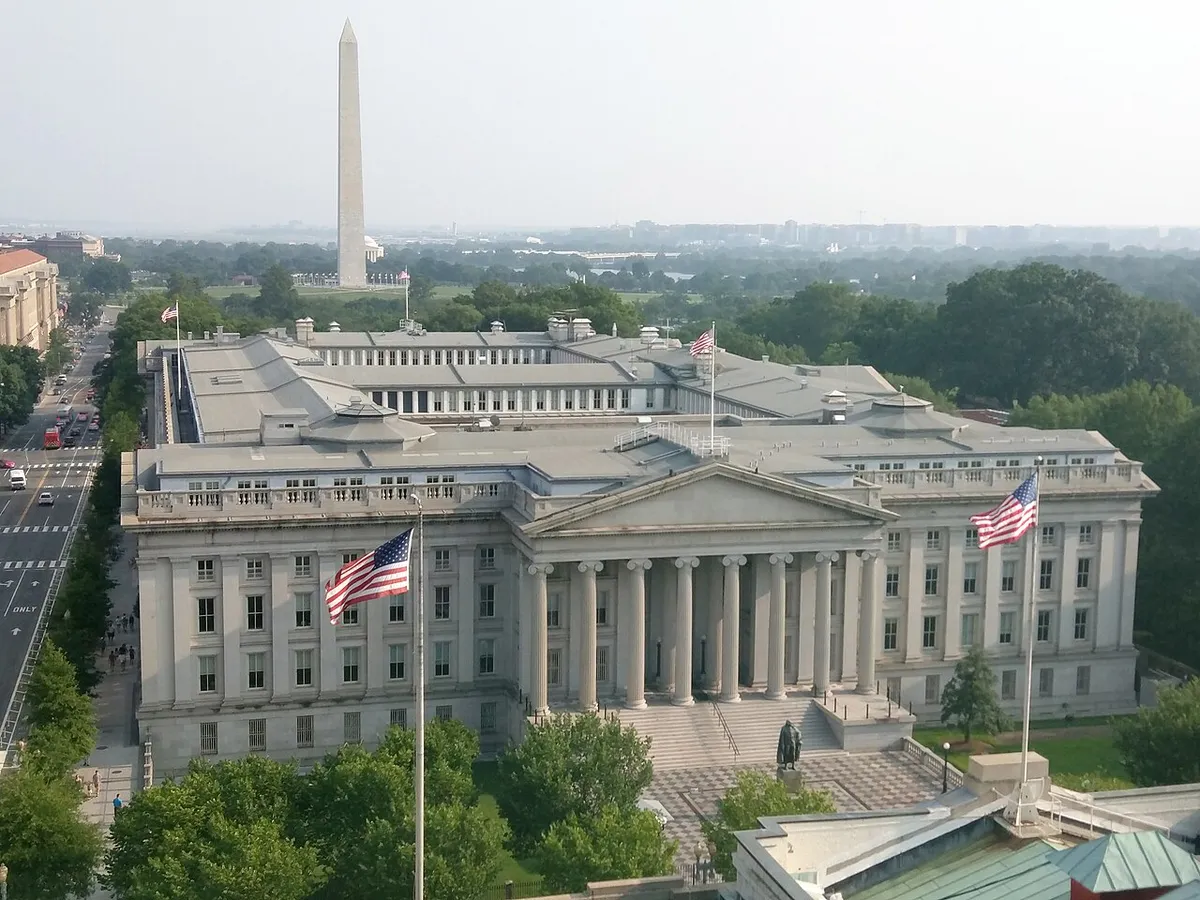
The US Department of the Treasury announced this on November 4.
The US says they were part of a maritime fraud network. It allegedly helped Iran move oil despite international restrictions.
The action falls under President Donald Trump's 'Operation Economic Outcast'.
The aim is to cut off Iran's oil revenues and other income.
Key points
- The US Treasury announced the sanctions on November 4.
- The targets include a businessman, his wife and nine Indian entities.
- The US alleges fake ship registrations for vessels carrying Iranian oil.
- Authorities in Eswatini have denied any link to one company named in the case.
So what did the couple allegedly do?
The Treasury named Suniel Kumar Sharma and his wife, Jaspreet Preeti Shahid.
Sharma is based in Chandigarh, according to the report.
The US says the couple gave false ship registrations, flags and maritime certificates.
These were allegedly given to vessels carrying Iranian petroleum, including ships said to work for Iran's military and its proxies.
The network also allegedly claimed to represent maritime authorities of several countries.
Those countries had not authorised it. Daijiworld carried this report.
Why does this matter for people in India?
The case names Indian companies and an India-based businessman. That is why it draws attention in India.
Sharma is said to be the managing director of Oceaniek Technologies India.
Graphic: News Anek, from the facts in this report
The US accuses that firm of setting up fraudulent ship registries.
The announcement came a day after Democrats made major gains in the US midterm elections.
The Trump administration has said it will continue its pressure on Iran.
What happens next in this case?
The report does not say how the sanctions will be applied in India.
It also does not say whether the named people have responded.
Eswatini authorities have publicly denied any link to one company.
Still, the US says that company kept offering services to Iranian oil vessels.
Exam Corner
UPSC GS Paper 2 · International relations: US sanctions
What's the news
The US Treasury on November 4 sanctioned a Chandigarh-based businessman, his wife and nine Indian entities. It says they gave fake ship registrations to vessels carrying Iranian oil.
Background
- The action falls under 'Operation Economic Outcast', which aims to cut off Iran's oil revenues.
- The US says the network falsely claimed to represent maritime authorities of several countries.
- Authorities in Eswatini have denied any link to one company named in the case.
Facts for Prelims
- Operation Economic Outcast is the US action aimed at cutting Iran's oil revenues
- The US Treasury announced the sanctions on November 4
- Eswatini Maritime Affairs and International Ship Registry is Singapore-based
Content for Mains
- Significance: Indian firms and an India-based businessman are named in US sanctions
- Main issue: misuse of ship registries and flags to move sanctioned oil
- Challenges: risks for Indian firms from unilateral sanctions abroad
- Way forward: stronger compliance checks and transparent maritime registration
Practice question: Discuss the impact of unilateral economic sanctions on India's foreign policy and its energy security.
Prelims practice questions
Q1. Which US department announced the sanctions on November 4?
- Department of the Treasury
- Department of State
- Department of Commerce
- Department of Defense
Show answer
Answer: A. The US Department of the Treasury announced them.
Q2. The sanctions fall under which US campaign against Iran's income?
- Operation Energy Shield
- Operation Maximum Pressure
- Operation Economic Outcast
- Operation Ocean Watch
Show answer
Answer: C. The action is part of 'Operation Economic Outcast'.
Key terms
- Shadow fleet: Ships that hide their true ownership or flags to avoid international restrictions.
- Ship registry: An official list where a ship is registered and given a national flag.
- Sanctions: Penalties such as trade limits or asset freezes imposed by a government.
More stories for exam preparation: UPSC Today
These points come from this news report. Check them with standard sources such as NCERT books and PIB before your exam.