Union Home Minister Amit Shah visited Arunachal Pradesh over Saturday and Sunday.
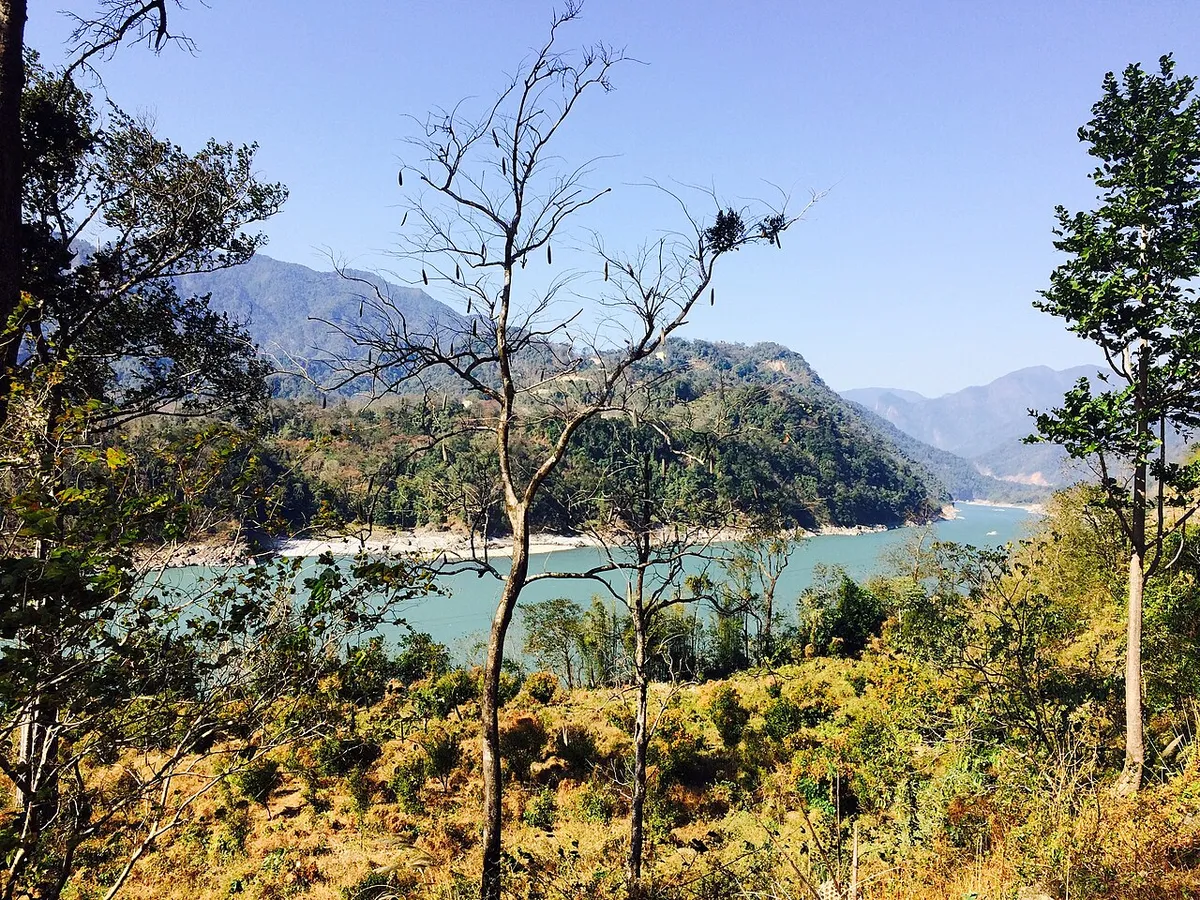
He spoke about a proposed mega project on the Siang river.
He promised a "best package" for people who would be affected by it. Many local groups did not accept the offer.
The project is called the Siang Upper Multipurpose Project, or SUMP. It includes a hydro power plant of 11,200 MW.
MW stands for megawatt, a unit of electrical power.
Shah said the project is needed for Arunachal's development and defence. But protest leaders rejected his offer of talks.
They said development that brings destruction is not welcome.
Two groups, Adi Bane Kebang United and Siang Indigenous Farmers Forum, sent a memorandum to Shah.
They asked for a meeting and urged the Centre to scrap the project.
Key points
- Amit Shah visited Arunachal Pradesh and promised a best package for affected people.
- Local groups rejected talks and want the Siang Upper Multipurpose Project scrapped.
- The project includes an 11,200 MW hydro power plant on the Siang river.
- The Centre is urged to talk with China about sharing data on the Siang.
Why are local people so worried about this project?
Protest leaders say the project could harm their land and livelihoods.
They say Shah's best package offer shows he accepts that damage is possible.
Thomas Borang, a leader of the anti-SUMP agitation, said the Centre should build medical colleges, engineering colleges and roads instead.
He said people want the Siang to keep flowing naturally.
Protesters also questioned why Shah did not meet them during his visit.
They asked whether he is serious about their concerns.
How does China's dam fit into this debate?
Chief Minister Pema Khandu has said the SUMP would act as a shield.
China is building a 60,000 MW dam in the upper Siang in Tibet.
Khandu says the project would counter the possible adverse impact of that Chinese dam.
Graphic: News Anek, from the facts in this report
But agitators and experts disagree with this approach.
They say the Centre should instead seek a bilateral treaty with China.
A bilateral treaty is an agreement between two countries.
It could help share data and prevent harm to the Siang and the people living along it.
What happens next after the rejected offer?
Shah appealed to the agitators to join talks with the state government. The protesters have set their own conditions first.
They want the release of people arrested during the agitation.
They also want central forces withdrawn and the pre-feasibility study for the project dropped.
A pre-feasibility study is an early check on whether a project is workable.
Explainer
What happened before
- China is building a 60,000 MW dam in the upper Siang river area in Tibet.
- Arunachal Chief Minister Pema Khandu says the Siang Upper Multipurpose Project would act as a shield against it.
Why it matters
Local farmers and groups fear the project will damage their land, livelihoods and the Siang river's ecology.
What to watch next
- Shah has appealed to the agitators to join talks with the state government.
- The groups have set conditions first, including release of arrested people and withdrawal of central forces.