The remains of 39 Naga ancestors are coming home.
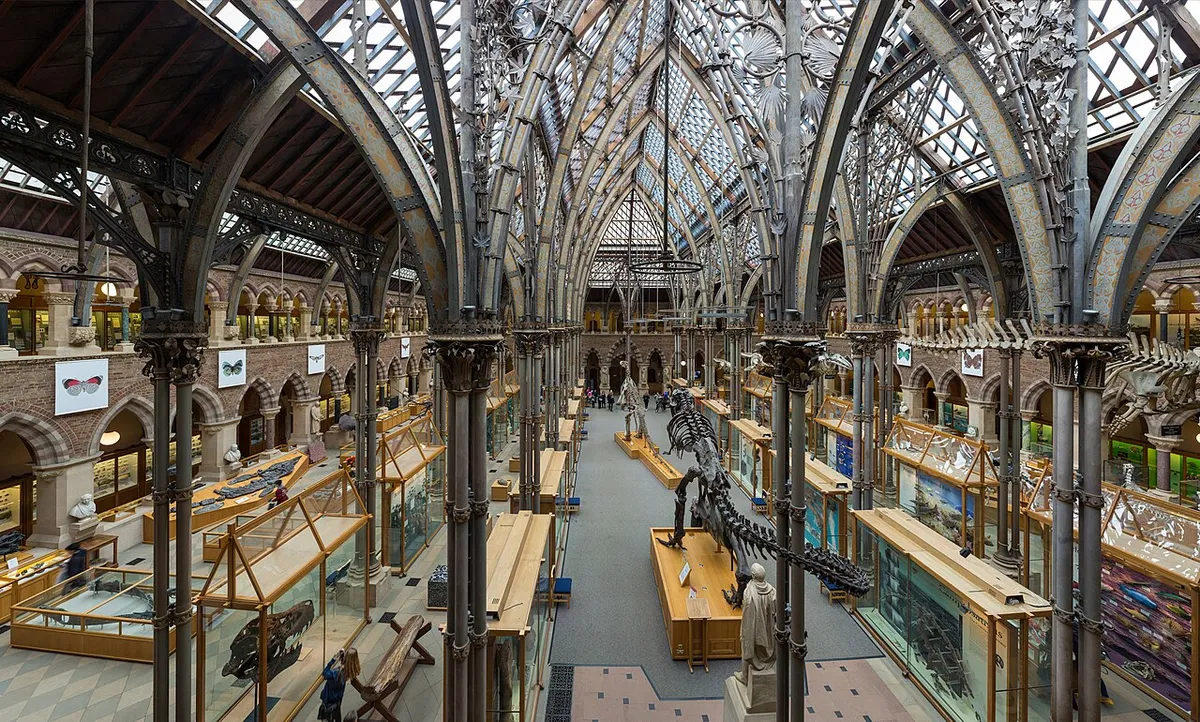
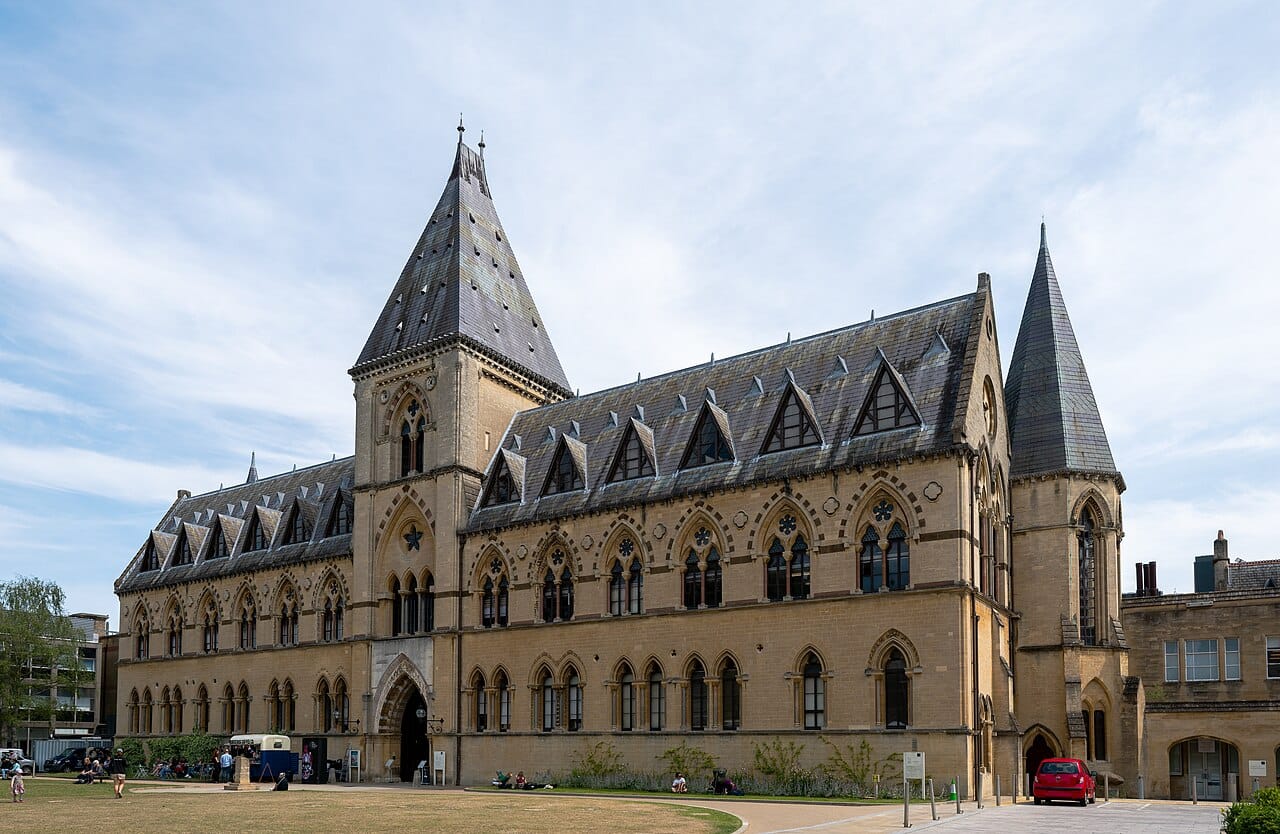
They were held at the Pitt Rivers Museum, part of the University of Oxford in the UK, for nearly a century.
The remains include those of two children, a woman and a village chief.
They were handed over to a Naga delegation earlier this month, after years of discussions.
They will reach Nagaland on Friday.
Key points
- 39 Naga ancestral remains are returning from the Pitt Rivers Museum in Oxford.
- The remains had been in Britain for nearly a century.
- Many were collected by British officers who served in the Naga Hills.
- They will reach Nagaland on Friday.
How did the remains end up in Oxford?
Many of the remains were collected by British administrators John Henry Hutton and James Philip Mills.
Both served in the Naga Hills during the colonial period, roughly between 1910 and 1940.
Hutton later became Deputy Commissioner of the Naga Hills District. He wrote books on the Angami and Sema Nagas.
The museum has a large collection gathered during the colonial era.
It was established in 1884 and now holds more than 600,000 objects.
How did the return come about?
The process began in 2020.
Naga anthropologist Dolly Kikon approached the museum after learning that it was reviewing the ethics of displaying human remains.
What followed was six years of discussions, historical research and consultations with Naga representatives and the museum.
- 1884The Pitt Rivers Museum in Oxford is established. It now holds more than 600,000 objects.
- 1910-1940British administrators John Henry Hutton and James Philip Mills serve in the Naga Hills and collect many of the remains.
- 2020Dolly Kikon approaches the museum after learning it is reviewing the ethics of displaying human remains.
- Six yearsDiscussions, historical research and consultations with Naga representatives and the museum take place.
- Earlier this monthThe remains are handed over to a Naga delegation and reach Nagaland on Friday.
Graphic: News Anek, from the facts in this report
Kikon, a professor at the University of California, Santa Cruz, has described it as the first repatriation of human remains to India of its kind.
So why does this matter for people in India?
The return is part of a larger effort to restore ancestral connections.
It also recognises historical wrongs from British colonial rule.
It gives communities a chance to decide how their ancestors should be remembered and honoured.
Explainer
What happened before
- The remains were held for nearly a century at the Pitt Rivers Museum, part of the University of Oxford.
- Many were collected by British administrators John Henry Hutton and James Philip Mills, who served in the Naga Hills between about 1910 and 1940.
- In 2020, Naga anthropologist Dolly Kikon approached the museum, which was reviewing the ethics of displaying human remains.
Why it matters
The return is part of a wider effort to restore ancestral connections and recognise historical wrongs from the colonial period.
What to watch next
- The 39 remains were handed over earlier this month and will reach Nagaland on Friday.