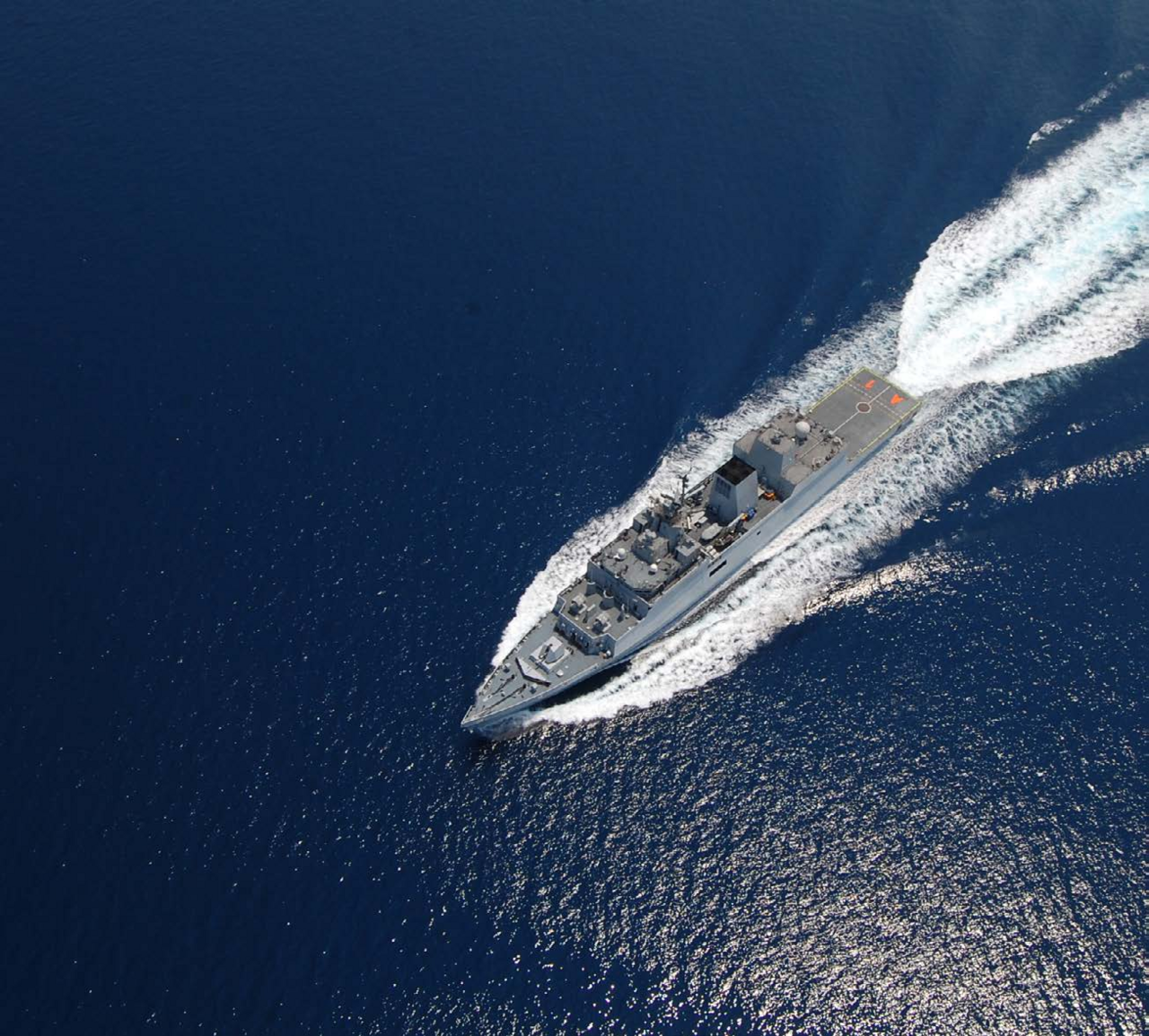
The Indian Navy is getting eight new warships, and every one of them will be designed and built in India. On Monday, 2 November, the Ministry of Defence signed contracts worth ₹53,866.50 crore for eight Next Generation Corvettes. It is one of the biggest shipbuilding orders of the year.
Quick read
- The Defence Ministry signed contracts worth ₹53,866.50 crore for eight Next Generation Corvettes on 2 November.
- The ships will be built by GRSE, Kolkata, and Goa Shipyard Limited.
- They are designed by the Indian Navy and built for anti-ship and anti-submarine warfare.
- The cost is higher than earlier estimates, and no official explanation has been given yet.
If the word "corvette" sounds unfamiliar, you are not alone. Here is what these ships are, who will build them, and why the Navy wants them now.
What is a corvette?
A corvette is a small, fast warship. It is smaller than a destroyer or a frigate, the big ships you usually see in Navy Day photos, but it carries serious weapons for its size. Corvettes are the workhorses of a navy. They patrol coastlines, escort bigger ships, hunt submarines and respond quickly when trouble starts close to home.
India already operates corvettes such as the Kamorta class, built at Garden Reach in Kolkata. Many older corvettes in the fleet are now reaching the end of their working lives. The new ships are meant to replace them with more modern designs.
Who is building them
The contracts were signed with two defence shipyards owned by the government: Garden Reach Shipbuilders & Engineers (GRSE) in Kolkata and Goa Shipyard Limited (GSL). Both were chosen through competitive bidding, according to reports on the deal.
Designed by the Navy itself
The ships have been designed by the Indian Navy's own design bureau. That matters. Designing a warship is one of the hardest jobs in defence engineering, and doing it at home means India controls the blueprint, the upgrades and the spare parts. It also means more of the money stays inside the Indian economy, supporting thousands of jobs at shipyards and suppliers.
What the ships will be able to do
According to the reports, the new corvettes will carry advanced missiles, guns and sensors. They are built for two main jobs:
- Anti-surface warfare: finding and fighting enemy ships.
- Anti-submarine warfare: detecting and tracking submarines, a growing concern as more foreign submarines move through the Indian Ocean.
They will also take on everyday tasks such as coastal patrol, escorting merchant ships and helping in disasters, the kind of work the Navy has been doing during cyclones and piracy rescues this very week.
The price tag, and a question
₹53,866 crore works out to roughly ₹6,700 crore per ship. That is a lot of money, and it is noticeably higher than earlier estimates. When the project was first cleared, the figure was around ₹36,000 crore, and an approval reported in late October put it above ₹40,000 crore.
The difference could come from more advanced weapons, inflation, or costs that were added later, but we have not seen an official explanation. A detailed release from the Press Information Bureau would help answer this. We will update the story if one is published.
Why the Navy wants them now
A busier ocean
The Indian Ocean has become crowded. China's navy is now regularly present, piracy has returned off Somalia, and wars in West Asia have made shipping lanes riskier. India's Navy is being asked to do more, over a larger area, at the same time.
Ships take years
Warships are not bought off a shelf. From contract to commissioning, a new class can take five to eight years. Orders signed today shape the fleet of the 2030s. That is why defence planners push to sign contracts early, even when the ships will not sail for years.
What happens next
The two shipyards will now finalise designs with the Navy, order equipment and begin cutting steel. The first ships are likely to be delivered in the next few years, with the full set following later. Delays are common in shipbuilding, so the real test will be whether the yards deliver on time.
For now, the deal is a strong signal. India wants its own shipyards, its own designs and a bigger, younger fleet, and it is willing to pay for it.
Quick questions, quick answers
How long will the ships take to build?
Warships typically take several years from contract to delivery. The first ships are likely to arrive in the next few years, with the rest following.