Union Minister Shivraj Singh Chouhan announced on Saturday that five lakh houses will be allotted in Odisha.
The houses come under the Pradhan Mantri Awas Yojana-Gramin (PMAY-G), a central scheme for rural housing.
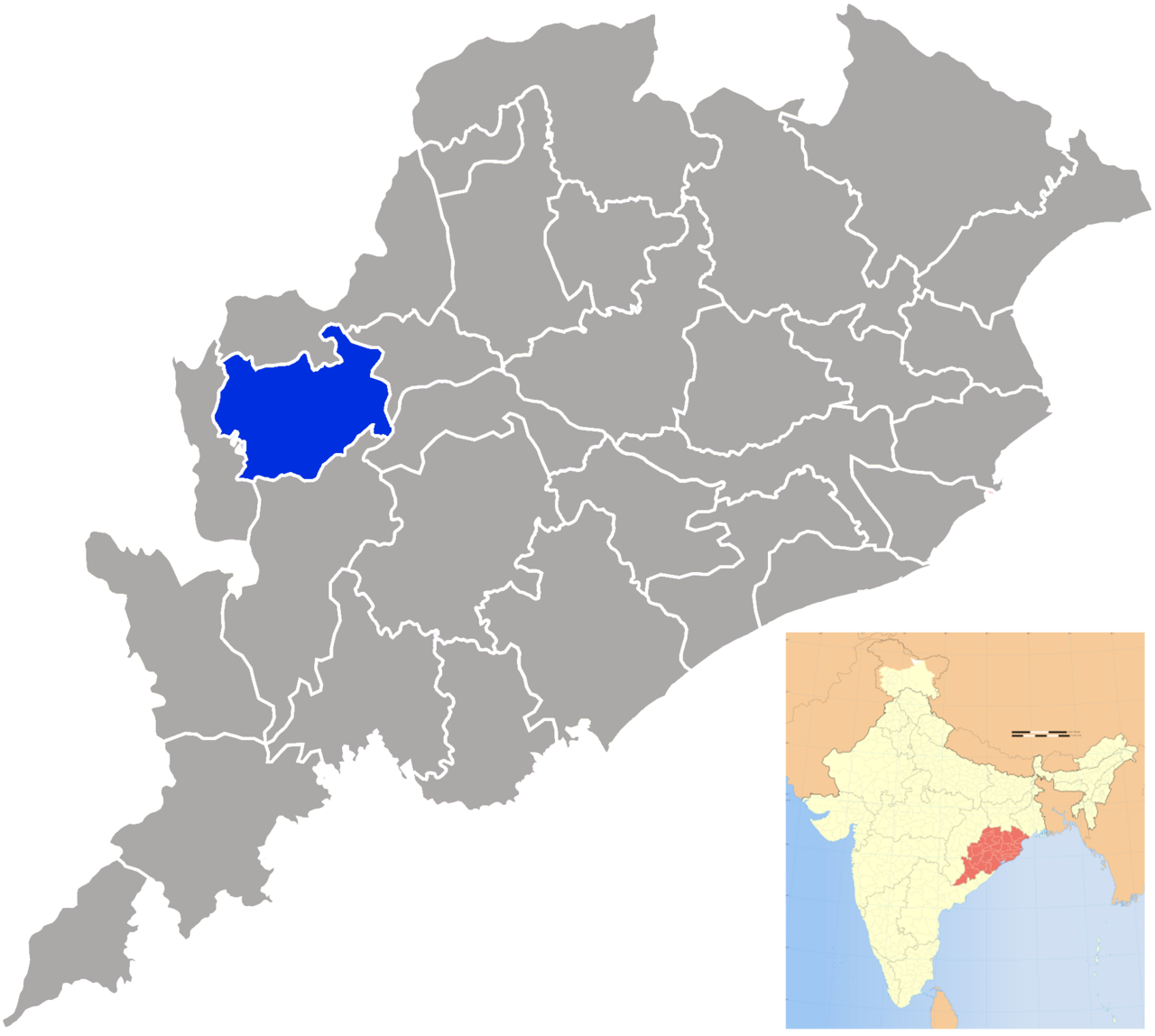
He made the announcement at a state-level PMAY-G event in Balangir on November 14, 2026.
He said every poor person in the state will get a permanent house.
Key points
- Five lakh houses are announced in Odisha under PMAY-G.
- A fresh survey will find eligible families who were left out earlier.
- Solar panels will be fitted on houses with support from the Centre and the state.
- Women will get loans worth Rs 10 lakh crore over five years across the country.
Why were so many poor families left out before?
Chouhan said the earlier selection process had irregularities.
He alleged that ineligible people and those who already owned permanent houses got onto beneficiary lists.
He said genuinely poor families were left out. The Centre has ordered a fresh survey to correct this.
What did the minister promise for homes and power bills?
Chouhan assured that no poor family will have to keep living in makeshift huts.
Eligible households will get permanent homes in phases.
Solar panels will be installed on these houses.
Families can cut their electricity bills and sell extra power for additional income.
So what did he say about women and farmers?
Chouhan said 29 lakh women in Odisha have become Lakhpati Didis.
This is above the target of 27 lakh, and it was reached a year ahead of schedule.
Graphic: News Anek, from the facts in this report
For farmers, he promised solar panels above farmland.
He also said the new Agriculture College in Balangir will be developed with help from the Indian Council of Agricultural Research (ICAR).
Explainer
What happened before
- Odisha's previous government was led by Naveen Patnaik of the BJD.
- The Union Minister said the earlier beneficiary selection process had irregularities.
- Mohan Charan Majhi now leads the BJP government in Odisha.
Why it matters
Chouhan alleged that ineligible people got onto lists while poor families were left out, so housing benefits affect families in rural Odisha directly.