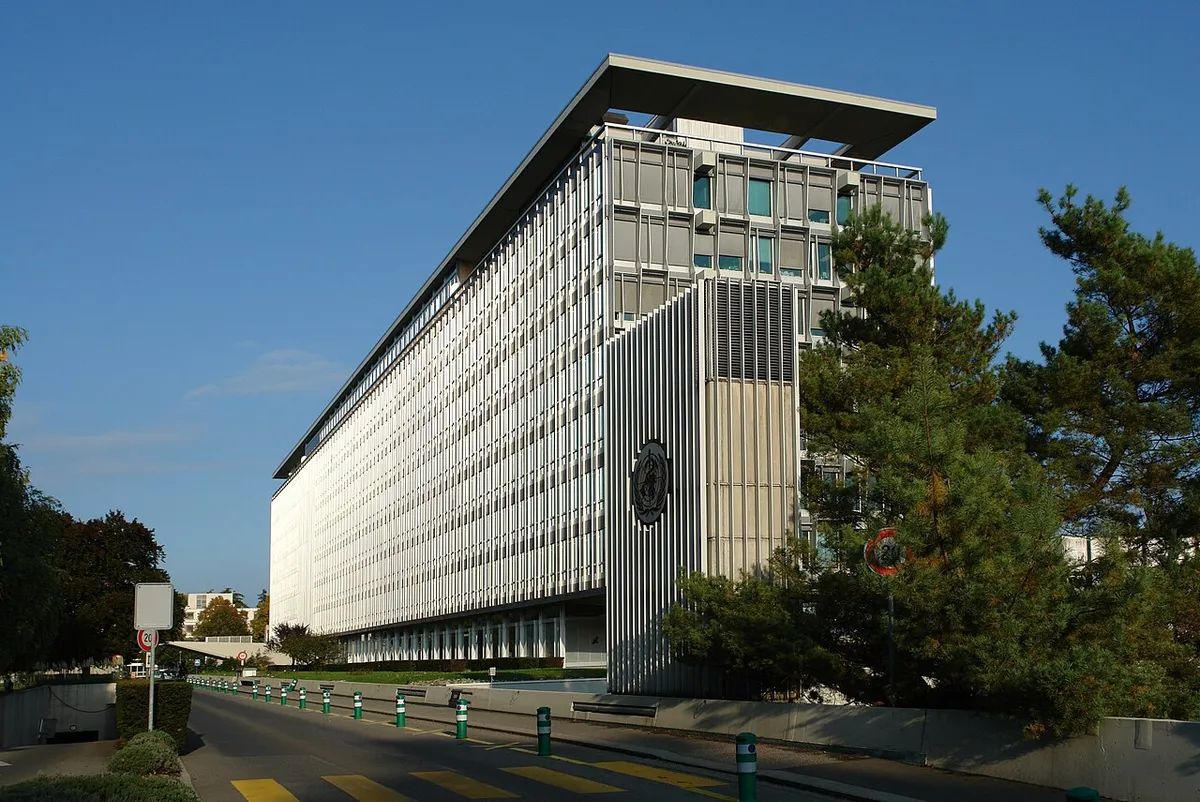
The World Health Organization (WHO) has raised its response to El Nino to Grade 3. This is its highest emergency level.
The plan was released on November 2.
El Nino is a natural weather pattern.
Surface waters in the central and eastern Pacific Ocean warm up, and this changes weather in many parts of the world.
Key points
- WHO raised its El Nino response to Grade 3, its highest emergency level.
- The response runs from October 2026 to September 2027.
- India is flagged for high or very high health risks.
- Children, pregnant women, older adults and outdoor workers face the most danger.
So what can El Nino do to health?
WHO says the weather event could cause heatstroke, dengue and malnutrition.
These problems could appear in many parts of the world.
El Nino does not directly cause disease. WHO calls it a risk multiplier.
It changes conditions so that illness becomes more likely and health services face more pressure.
The response will run from October 2026 to September 2027. WHO needs about 35 million dollars for the first six months.
Graphic: News Anek, from the facts in this report
Why is India on this list?
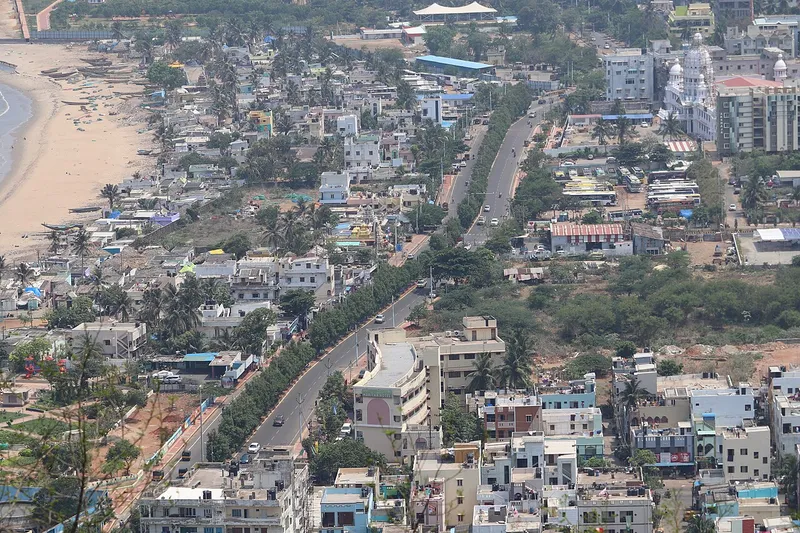
WHO's September assessment lists India among countries facing high or very high health risks.
Much of South Asia is expected to be hotter and drier than usual.
That could affect water supply, food production and access to healthcare.
In August, the Ministry of Earth Sciences told Parliament that the India Meteorological Department (IMD) expected below-normal rainfall this monsoon.
The forecast was 90% of the Long Period Average, the usual long-term rainfall benchmark.
But El Nino does not always mean a failed monsoon.
Its effect depends on how strong it is, when it happens and other climate patterns.
Heavy rain and floods can also occur alongside drought, so India may face several health threats at once.
Who is most at risk, and what can you do?
Some people face more danger.
These include children, pregnant women, older adults, people with disabilities or long illnesses, and poor families.
Outdoor workers face the greatest heat exposure. This includes farm labourers, construction workers and street vendors.
People need clear and timely advice on staying cool, keeping food and water safe, avoiding mosquito bites and knowing when to see a doctor.
Not every region will face a health crisis, because the impact will vary from place to place.
But India is already on the high-risk list, and preparing early could save many lives.
Explainer
What happened before
- In August, the Ministry of Earth Sciences told Parliament that the India Meteorological Department expected below-normal rainfall this monsoon.
- WHO's September assessment listed India among countries facing high or very high health risks.
- On November 2, WHO released a plan raising its El Nino response to Grade 3.
Why it matters
El Nino can bring heat, dengue and water problems together, which can put pressure on health services that families depend on.
What to watch next
- WHO's response runs from October 2026 to September 2027, and the agency needs about 35 million dollars for the first six months.
Exam Corner
UPSC GS Paper 3 · Environment: El Nino and health risks
What's the news
The World Health Organization (WHO) raised its El Nino response to Grade 3, its highest emergency level, in a plan released on November 2. It warns of heatstroke, dengue and malnutrition worldwide.
Background
- El Nino is a natural climate pattern in which surface waters in the central and eastern Pacific Ocean warm up.
- WHO's September assessment listed India among countries facing high or very high health risks.
- In August, the Ministry of Earth Sciences told Parliament that the IMD expected below-normal monsoon rainfall, at 90% of the Long Period Average.
Facts for Prelims
- WHO's El Nino response is at Grade 3, its highest emergency level.
- The response runs from October 2026 to September 2027.
- The forecast monsoon rainfall was 90% of the Long Period Average.
Content for Mains
- Significance: El Nino acts as a risk multiplier, making illness more likely and straining health services.
- Main issue: Heat, drought, floods and water shortage can arrive together, creating several health threats.
- Challenges: Vulnerable groups like outdoor workers and urban slum residents have less access to cooling and care.
- Way forward: Early weather-based disease tracking, clean water protection and clear public advice can reduce harm.
Practice question: Discuss how El Nino can act as a risk multiplier for public health, and examine the steps India needs to take to prepare.
Prelims practice questions
Q1. El Nino is a natural climate pattern marked by warming of surface waters in which ocean region?
- Central and eastern Pacific Ocean
- Indian Ocean
- Atlantic Ocean
- Arabian Sea
Show answer
Answer: A. The article says El Nino involves warming surface waters in the central and eastern Pacific Ocean.
Q2. How does WHO describe El Nino's role in disease?
- A type of monsoon
- A direct cause of disease
- A risk multiplier
- A cure for malaria
Show answer
Answer: C. WHO calls El Nino a risk multiplier because it makes illness more likely but does not directly cause disease.
Key terms
- El Nino: A natural climate pattern where surface waters in the central and eastern Pacific Ocean warm up, changing weather worldwide.
- Risk multiplier: A factor that does not directly cause illness but makes it more likely and adds pressure on health services.
- Long Period Average: The usual long-term average rainfall, used as a benchmark to judge whether a monsoon is above or below normal.
More stories for exam preparation: UPSC Today
These points come from this news report. Check them with standard sources such as NCERT books and PIB before your exam.