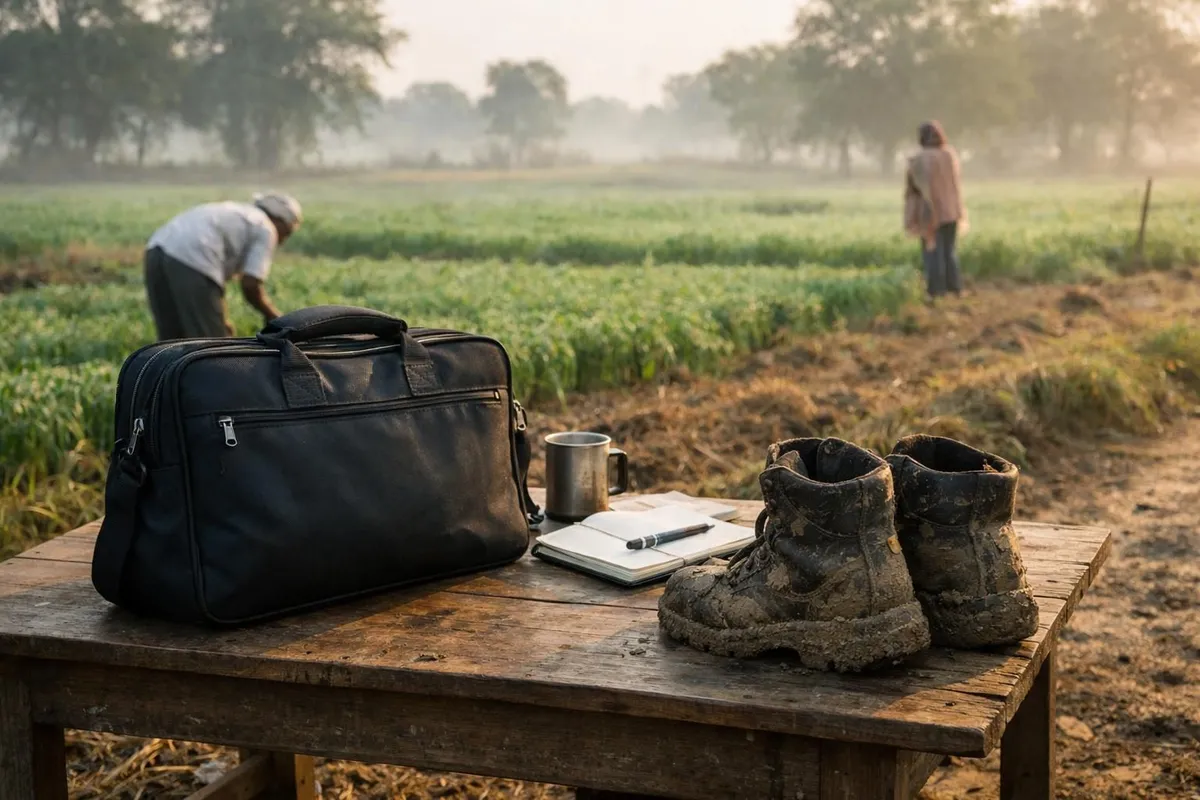
For years, Deepak Sabharwal knew food mostly from the other side of the table.
He spent nearly two decades in corporate jobs at firms such as General Electric, PepsiCo and Tata.
His days were full of meetings, numbers and growth targets.
Farming was something he did on weekends, at his family's farms in Pushkar, Rajasthan.
Then one day, he noticed the pesticides being used on his own farm.
Around the same time, his mother was diagnosed with cancer.
The two things came together in his mind, and he could not ignore them.
Key points
- Deepak worked for almost two decades at firms like GE, PepsiCo and Tata.
- He began hands-on farming in 2012 and spent almost four years learning on weekends.
- He co-founded Earthy Tales Organics Private Limited, formally started in December 2018.
- He now advises beginners to start with soil, not with labels or certification.
So where did it all begin?
He tells The Better India that a simple question started everything.
He asked himself what the family was really eating every day. That question felt small, but it made him uncomfortable.
In 2012, while he was still working at GE, he began travelling to Pushkar on weekends.
He learned farming there and tried new ideas on his family's land.
But what was the hard part?
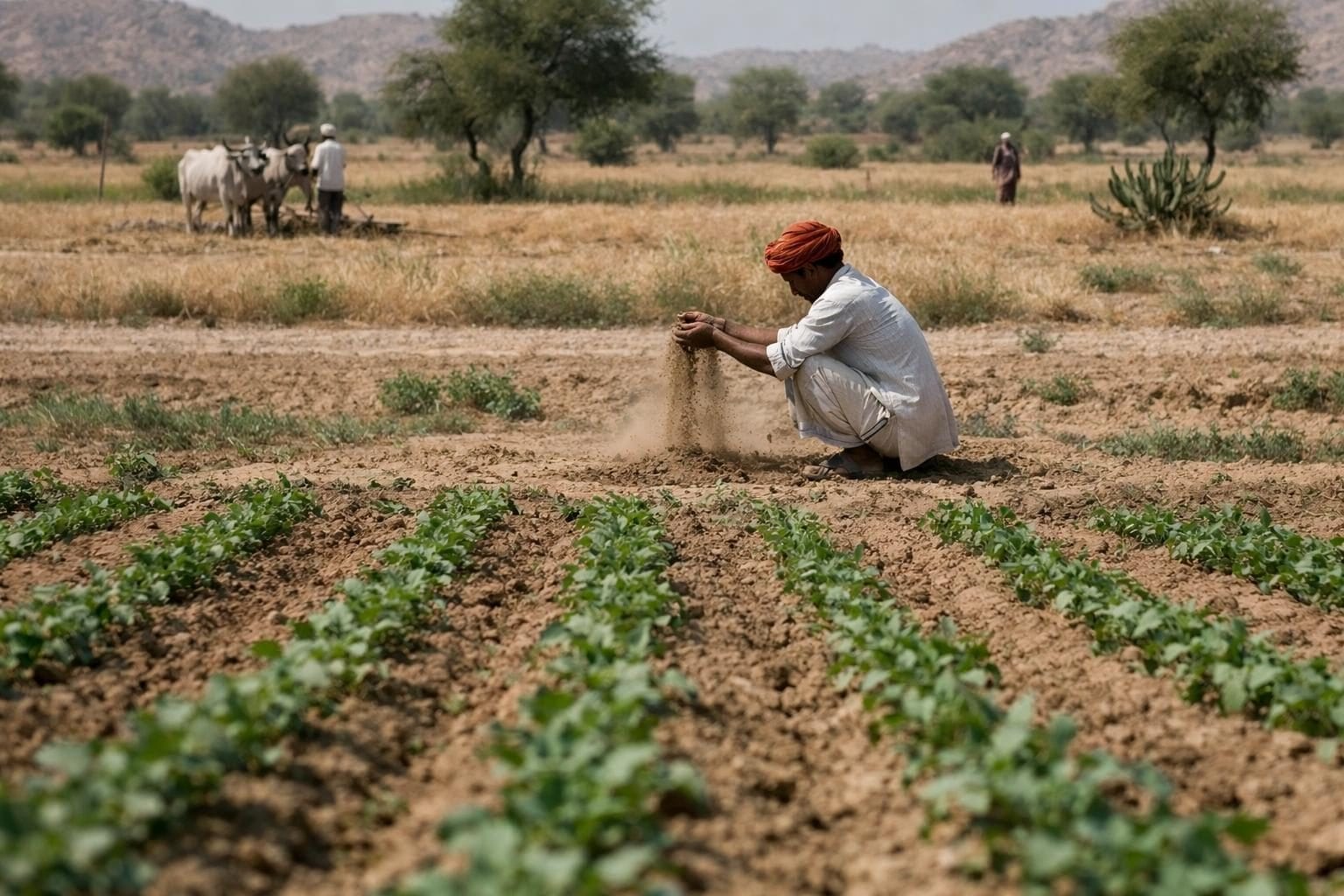
Farming on weekends meant balancing two very different worlds.
He had a demanding corporate job during the week and fieldwork on the weekends.
The learning took time, and it took patience to see results.
Working closely with farmers also showed him that organic farming is far more than avoiding synthetic chemicals.
It asks for care, knowledge and a long view of the land.
What was the turning point for him?
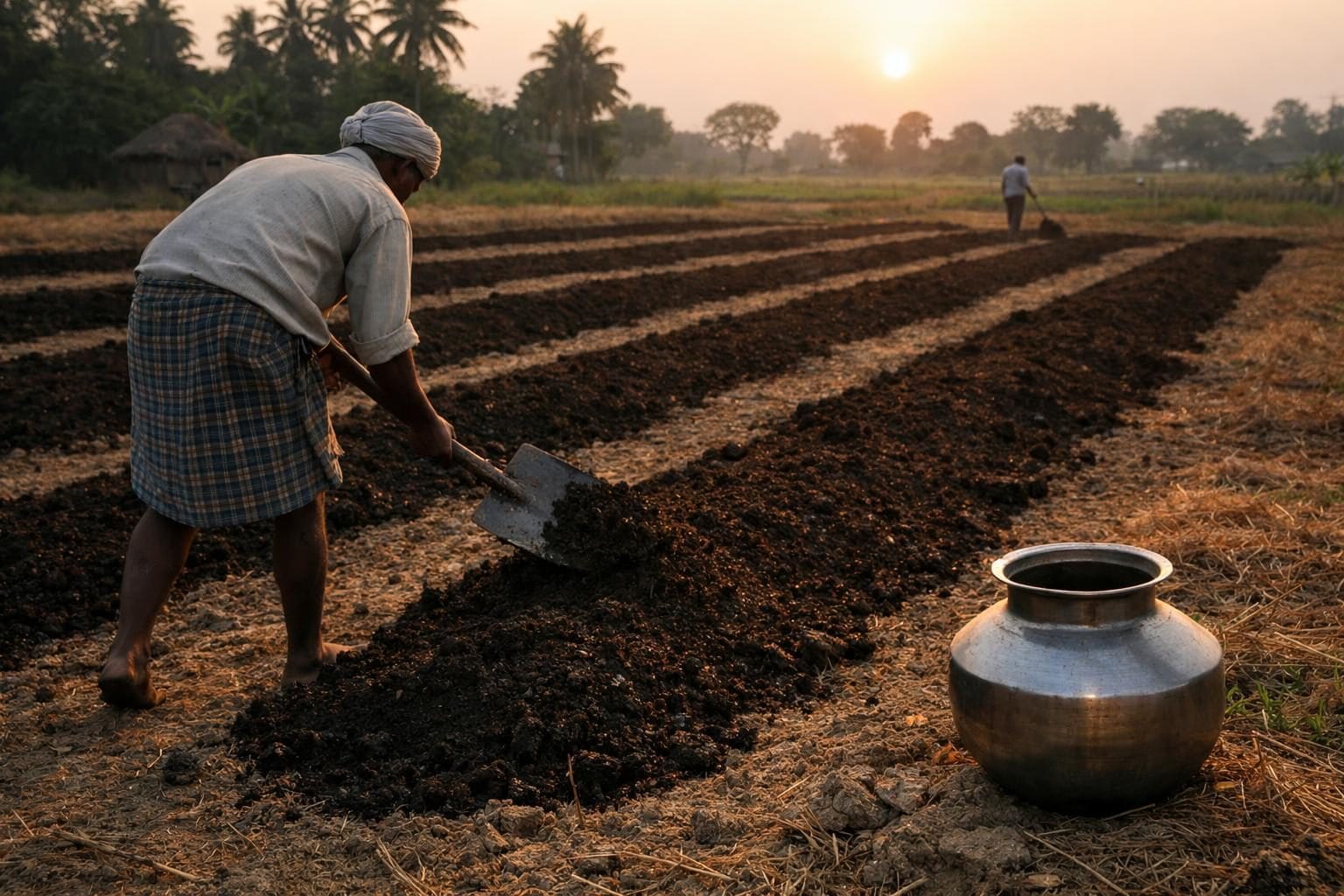
The turning point came when he saw that the disconnect went beyond his own farm.
He saw a gap between the soil, the farmer and the person who would finally eat the food.
That gap became the reason he wanted to build something more than a vegetable seller.
In December 2018, he formally started Earthy Tales Organics Private Limited.
The company focuses on natural farming, farmer livelihoods and making food grown without synthetic pesticides and fertilisers more available to urban families.
So where is he today?
Deepak is now based in Delhi NCR and works as co-founder and CEO of Earthy Tales.
He shares what he learned with anyone thinking about starting an organic farm.
His main advice is to begin with the soil, go slowly and rebuild the land step by step.
- 1Begin with the soilStart with the health of the soil before anything else.
- 2Go slowlyTake time and be patient, since results come gradually.
- 3Rebuild the land step by stepRestore the land gradually rather than all at once.
Graphic: News Anek, from the facts in this report
The Better India first reported this journey.
Startup Story
3 lessons from this journey
- Test your soil and water before choosing what to grow
- Rebuild soil health slowly instead of converting an entire farm at once
- Understand the whole chain from soil to farmer to the family eating the food