At a Ganpati gathering in Mumbai, lunch was over and everyone was waiting for dessert.
Then the host asked her guests to keep their spoons instead of throwing them away.
The spoons were made by Edybites, a Mumbai startup. The idea is simple.
A disposable spoon can be eaten as part of the meal, and if no one eats it, it breaks down naturally.
Key points
- Edybites was founded in 2022 by Rupesh K Sanghvi, who has more than 17 years in aviation and travel.
- The spoons use a millet and flour-based formulation and are designed to decompose if not eaten.
- The idea came during the COVID-19 lockdown, when a clean spoon was hard to find at home.
- After 88 failed prototypes, the product has found early use at events, gatherings and institutional food services.
So where did it all begin?
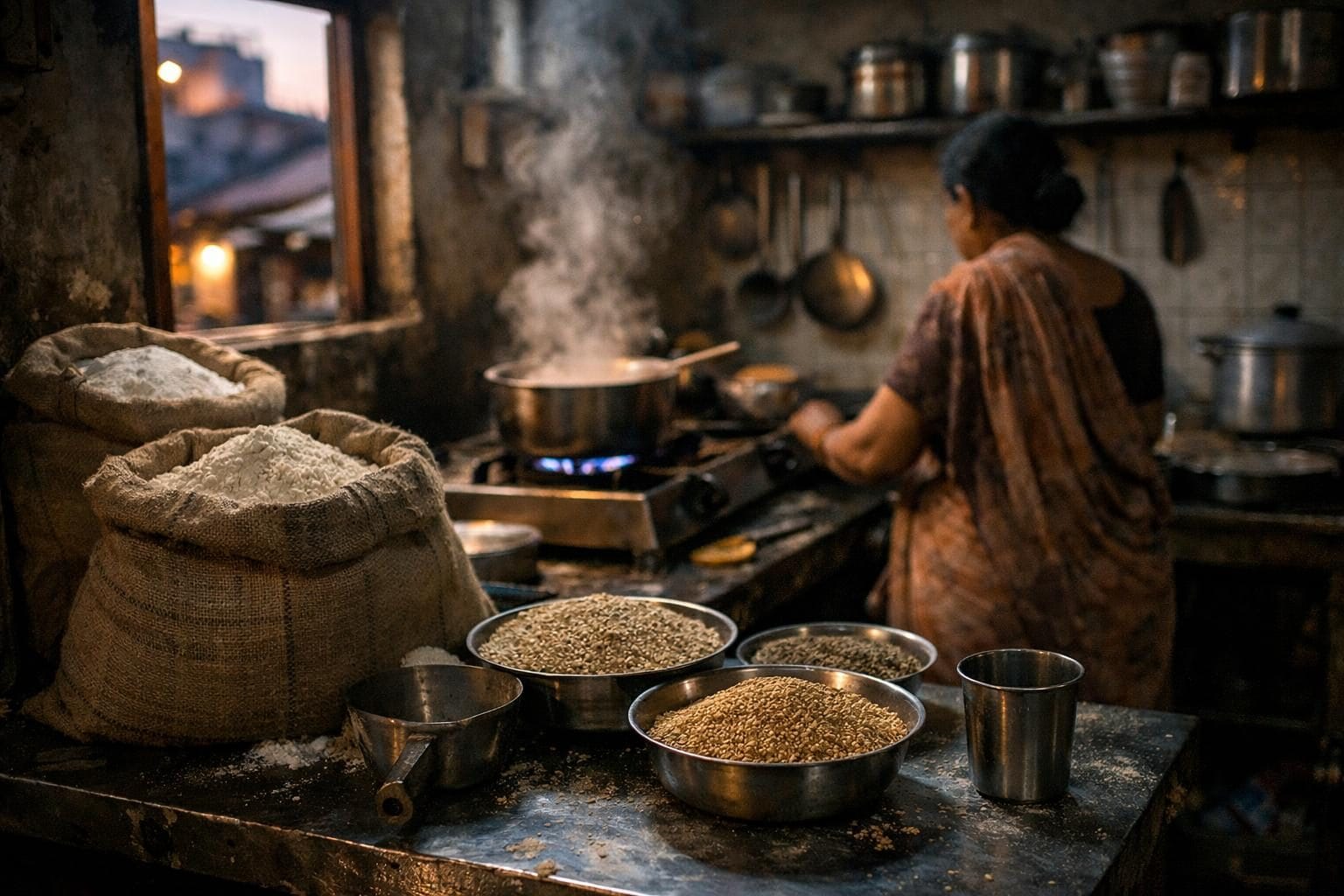
The idea started at home during the COVID-19 lockdown. With fewer services available, everyday chores fell on the family.
One day, after cooking and looking at a sink full of utensils, Sanghvi found himself eating with his fingers.
No clean spoon was left.
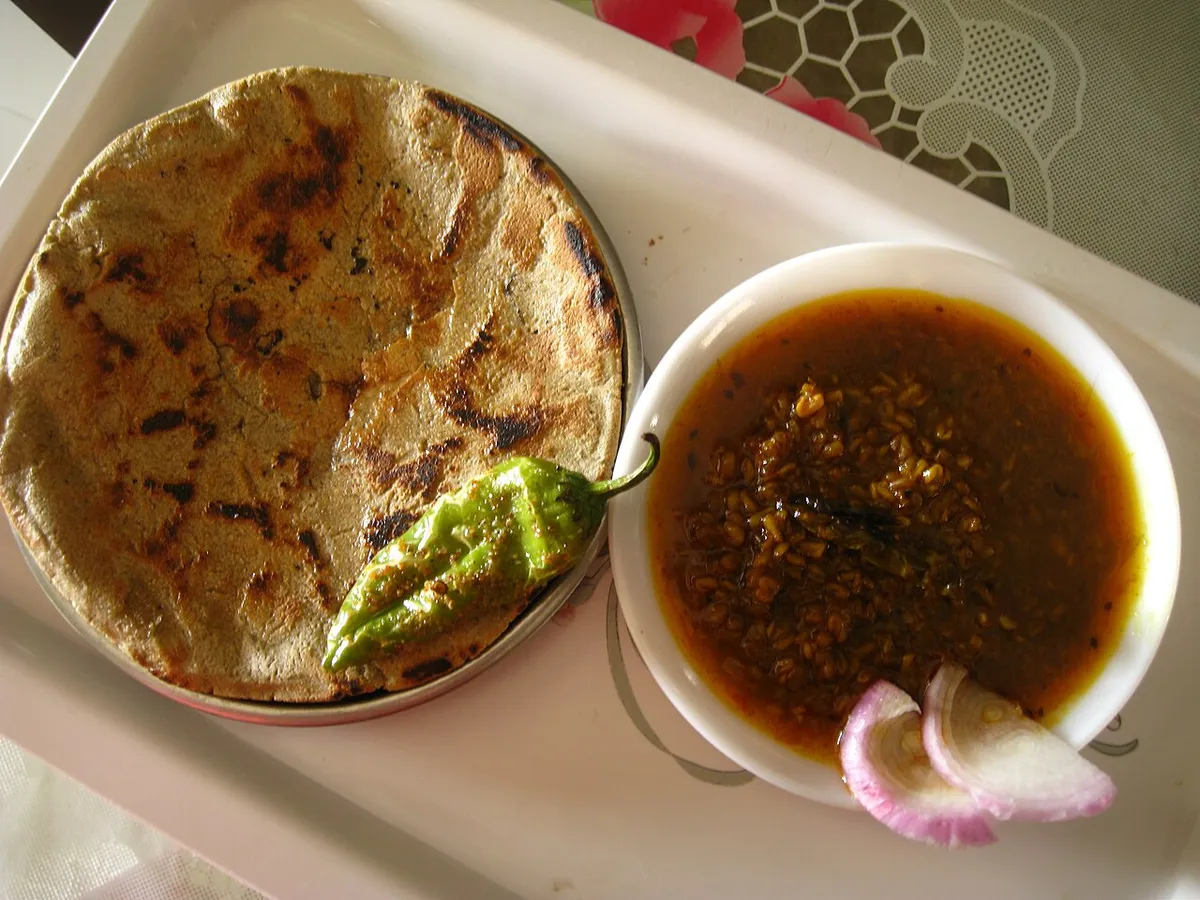
He wondered whether the last bite of a simple meal could be eaten with a spoon made from something like khakra.
The question stayed with him.
But how hard was it to make a spoon people could eat?
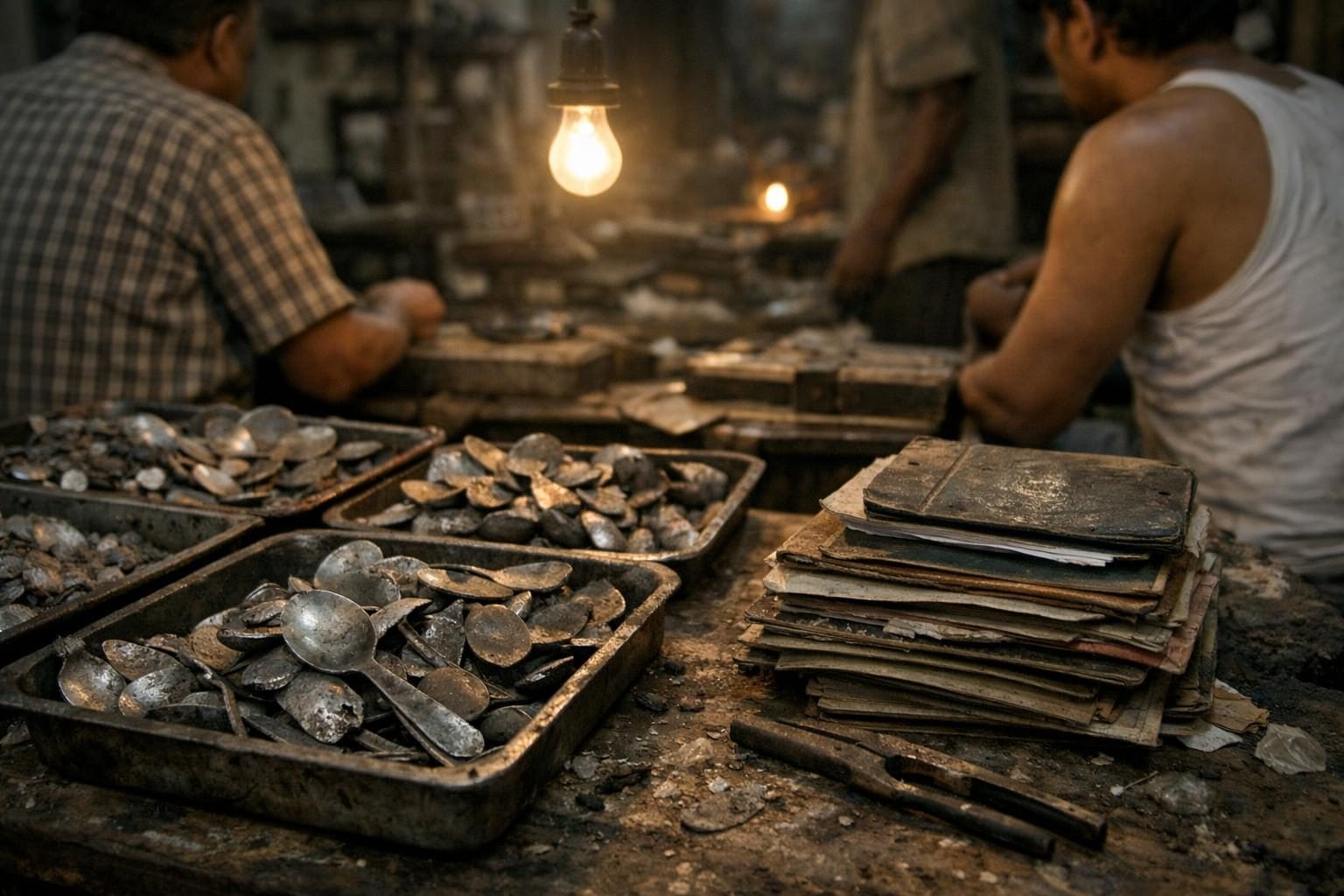
The spoon had to be strong enough to carry food through a whole meal.
It also had to taste pleasant and cost a price people would accept.
Sanghvi had seen how much disposable material moved through airlines during his years in sales and business development.
That experience pushed him to look for a better answer.
It took 88 failed prototypes before the millet and flour spoon felt right.
Each failure taught him something about texture, strength and taste.
What changed when the spoons reached real people?
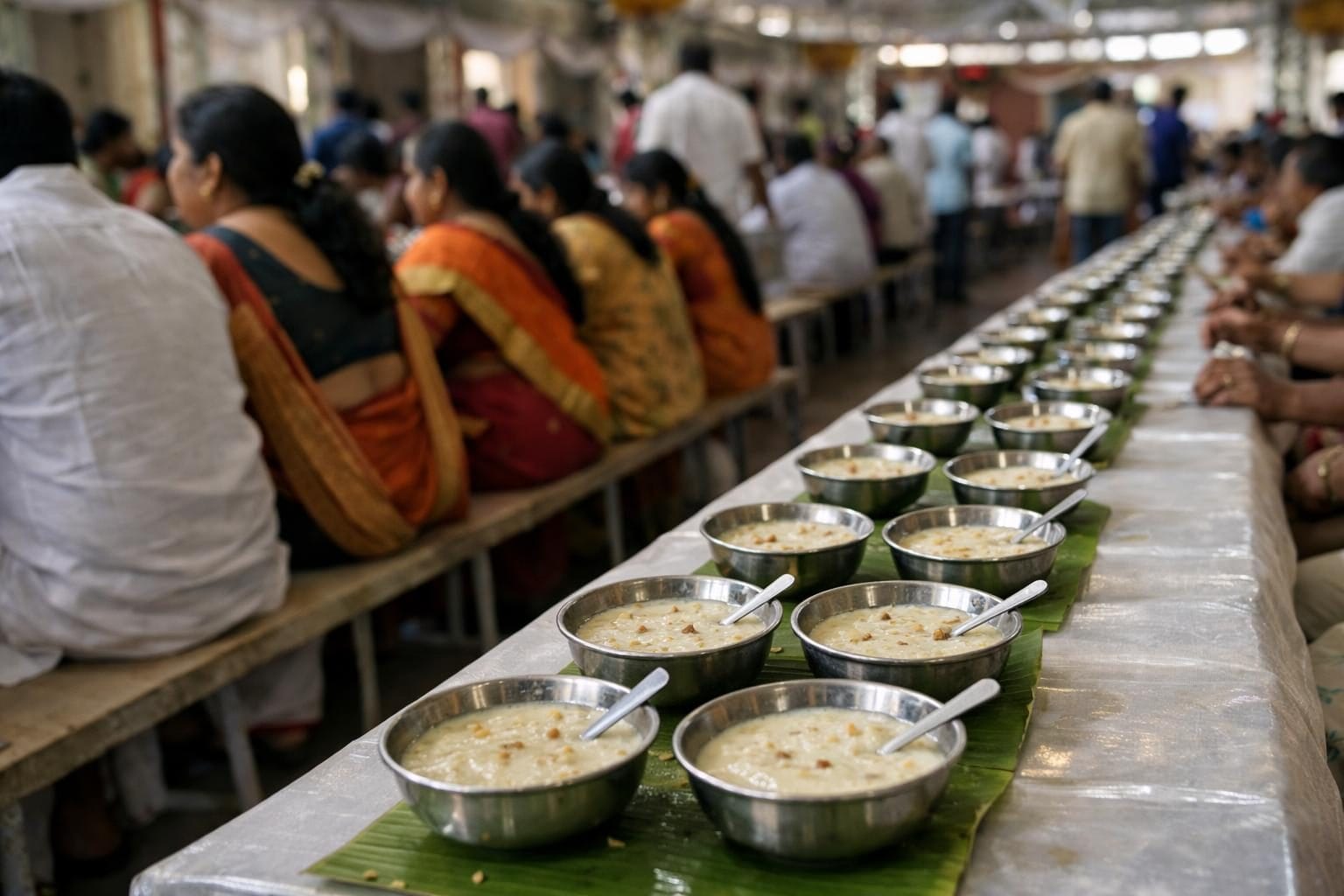
The turning point came when the spoons were used in real settings.
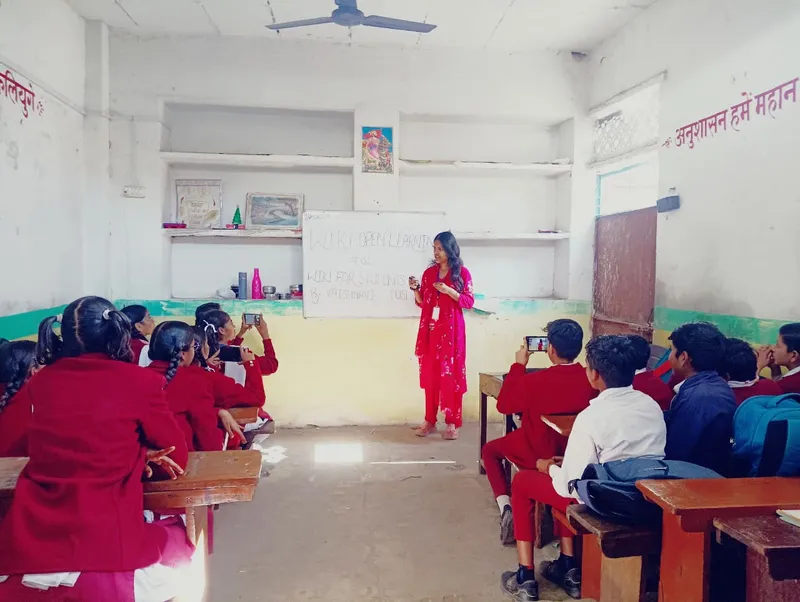
At the Ganpati gathering, children started biting into them like a crunchy snack.
The adults were more careful at first, watching to see if the spoon really worked. Soon, others wanted to try one too.
Edybites began finding early traction at events, gatherings and institutional food services.
Each small use showed that the idea could work outside the lab.
So where is Edybites today?
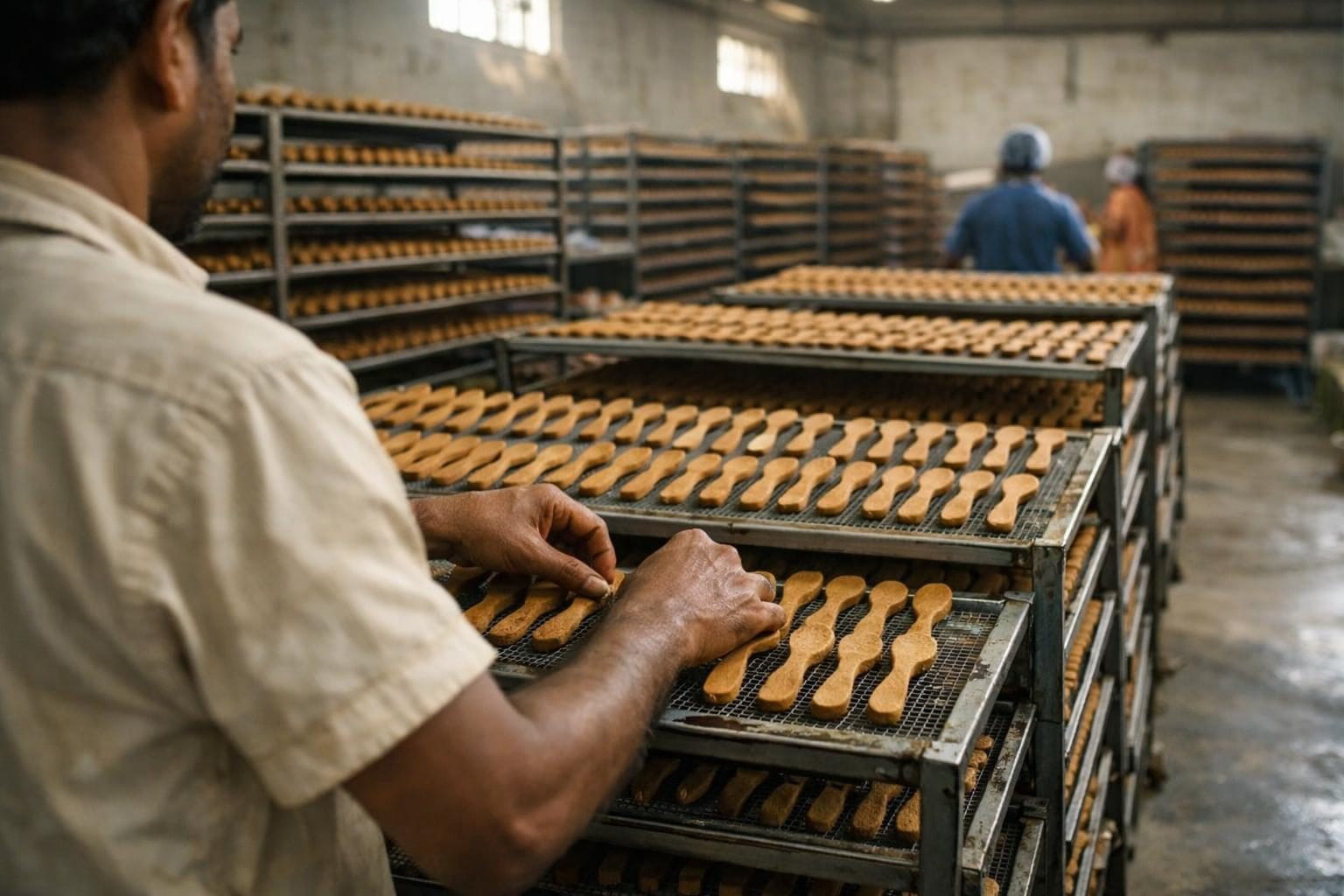
Today, Edybites is trying to solve a very ordinary problem. What happens to a disposable spoon after a few minutes of use?
The company is still at an early stage, reaching people one event and one meal at a time.
Sanghvi's story shows how a simple question at home can grow into a business.
The Better India first reported this journey.
Startup Story
3 lessons from this journey
- Notice small everyday problems around you, because they can grow into real ideas
- Expect many failures and treat each prototype as a lesson
- Test your product with real people in real settings before scaling it up