Years ago, a little girl came home from school with a diary. On one page, she had drawn two stick figures.
One of them was crying.
Her mother, Shweta Runwal, asked what had happened. Her daughter Dhriti tried to explain that her friend was moving away.
For Shweta, it was the first clear sign that art was how Dhriti could speak.
Key points
- Dhriti Runwal has Down syndrome, and art became her way to express emotions.
- Shweta Runwal founded Tickle Your Art, a social enterprise based in Mumbai.
- The enterprise works with more than 25 neurodiverse artists.
- Their artwork becomes lifestyle products, books and corporate gifts.
So where did it all begin?
Dhriti was diagnosed with Down syndrome a few days after she was born.
At two months old, doctors also found a hole in her heart and suggested surgery.
Shweta found that people often judged her daughter by her diagnosis.
Questions came up about whether Dhriti would walk, talk or have a career.
What was the hardest part of that early road?
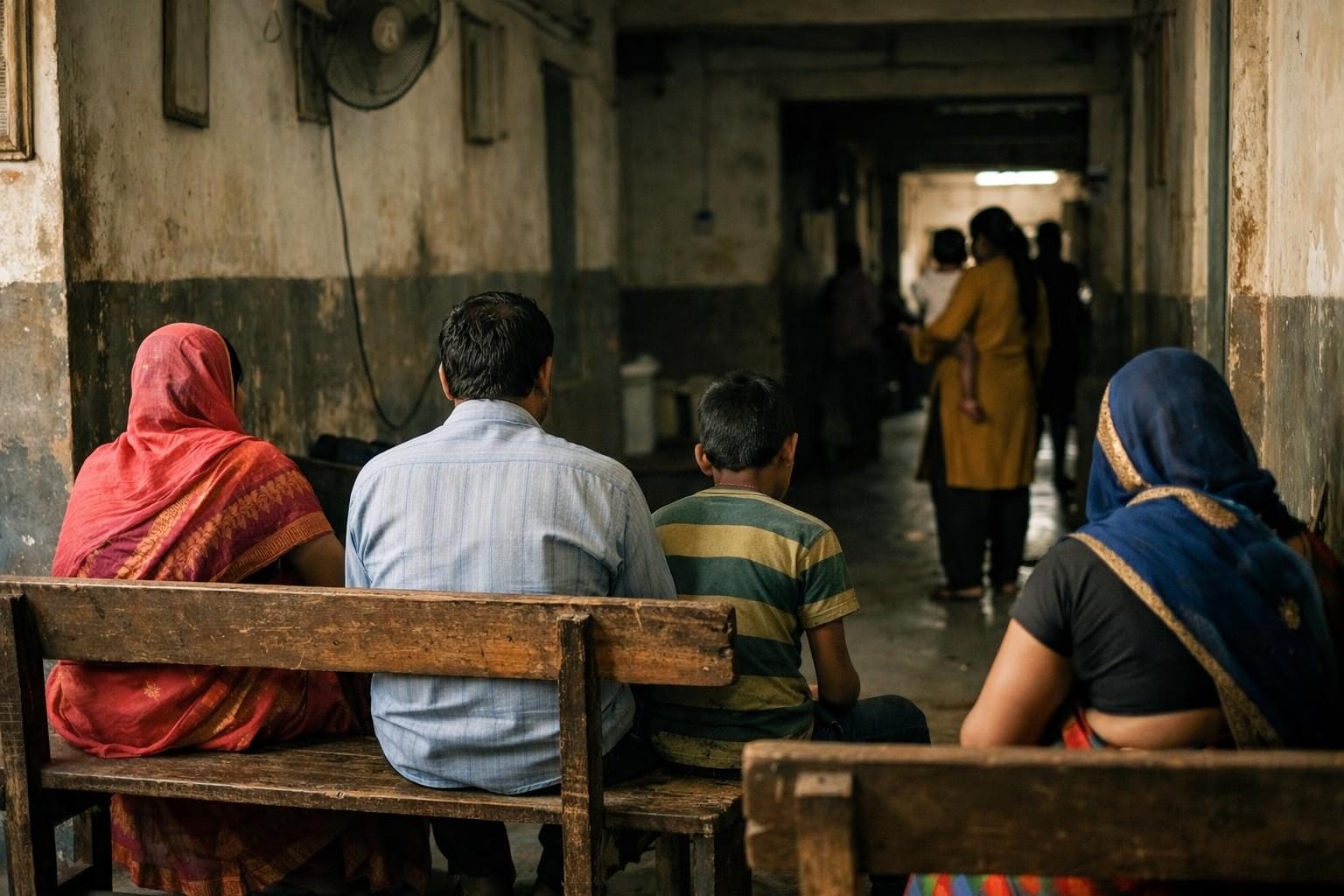
Shweta says there were few places for parents to find information or meet other families.
The conversation focused on what children with intellectual disabilities might not be able to do.
Her own parents took a different view.
They told her to treat Dhriti like any other baby, and that trust became her biggest support.
What changed the direction of the journey?
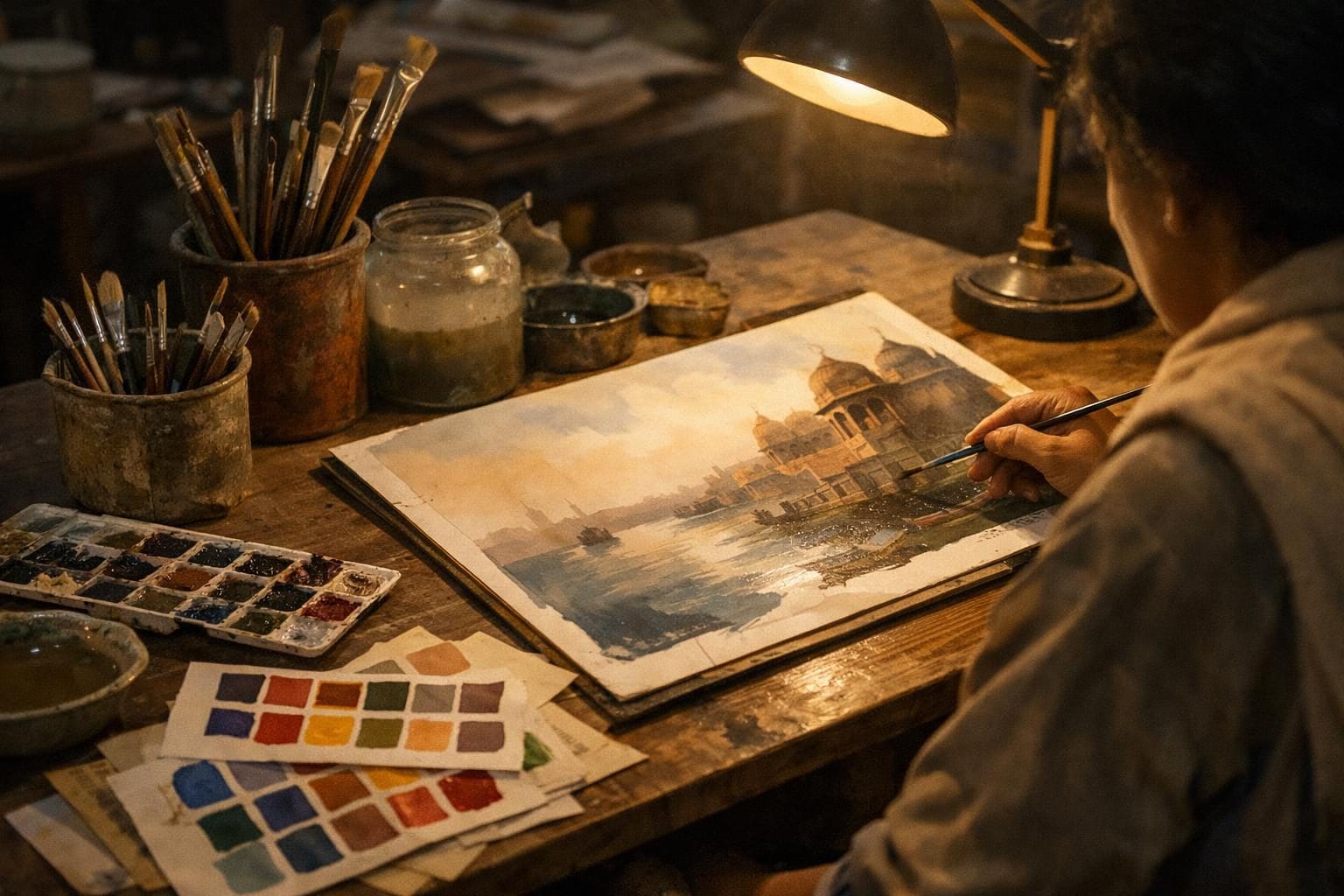
Shweta had trained as an architect and had worked in London, where she saw how art and design could express ideas.
She began volunteering with the Down Syndrome Federation of India and met more families.
She wanted to ask a new question. What if the starting point was what these children could do?
That question led to the idea behind Tickle Your Art.
Where does the story stand today?
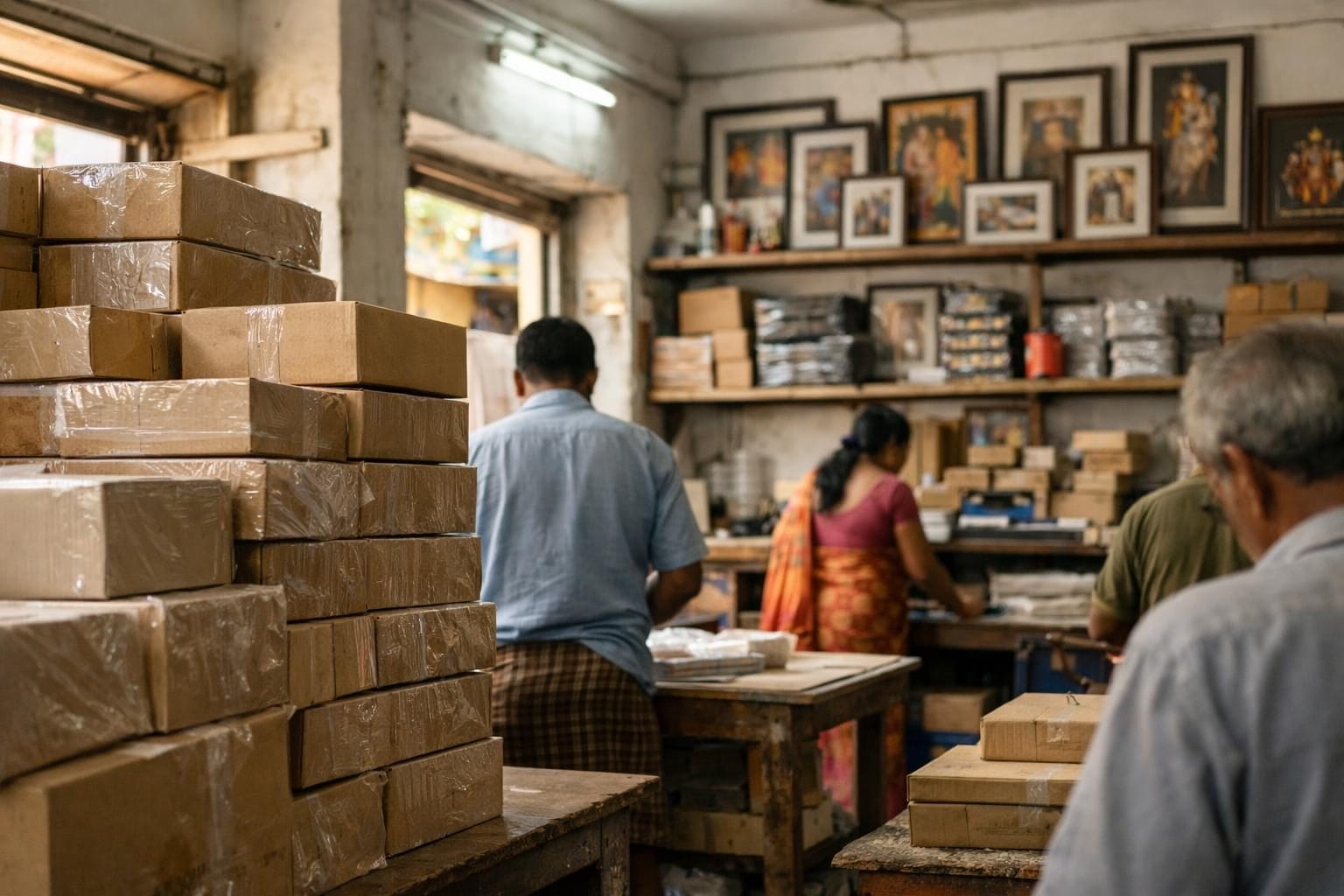
Today, Tickle Your Art works with more than 25 artists with Down syndrome and intellectual disabilities.
It turns their original artwork into lifestyle products, books, corporate gifts and more.
Graphic: News Anek, from the facts in this report
For Shweta, the work is about visibility and independence.
It also began with one small drawing of two figures, and one mother who chose to listen.
The Better India first reported this journey.
Startup Story
3 lessons from this journey
- Start with what a person can do, not what they cannot.
- Notice how people communicate, even when words are limited.
- Turn personal experience into a service that helps other families.