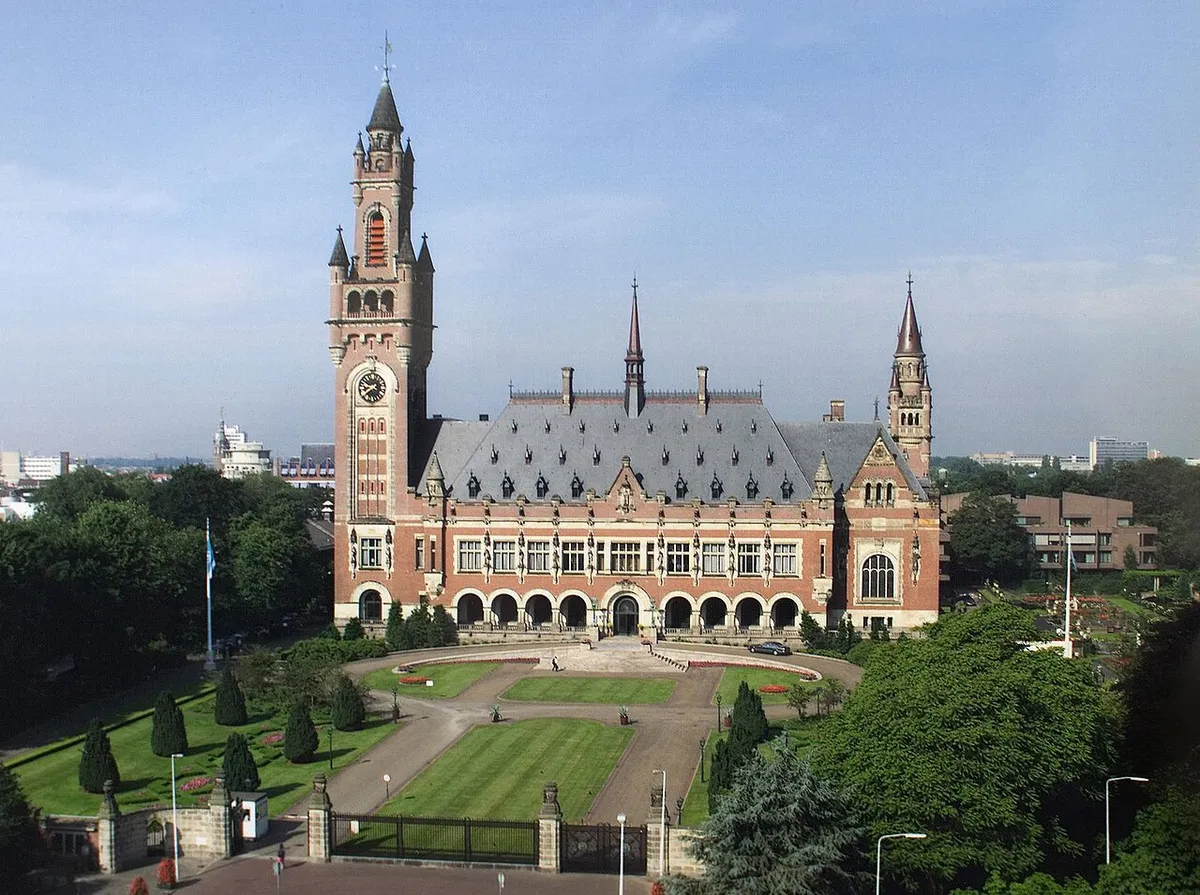
The International Court of Justice (ICJ) has ruled that Myanmar committed genocide against its Rohingya minority.
The ruling was read out on Thursday in The Hague.

The ICJ is the highest judicial body of the United Nations. It settles legal disputes between countries.
A panel of judges from around the world gave this verdict.
Genocide is one of the most serious crimes under international law.
It means acts carried out with the intent to destroy a group of people.
The court found that Myanmar had the intention to destroy a substantial part of the Rohingya population.
Key points
- The court found Myanmar committed genocide against Rohingya Muslims during its 2017 military crackdown.
- Judges voted 9 to 6 that Myanmar was guilty.
- It is the first time an international court has found a country guilty of genocide.
- The court cannot enforce the ruling itself.
What did the court find about the 2017 crackdown?
The court found that Myanmar's security forces killed thousands of Rohingya civilians.
It said around 10,000 were violently killed during the clearance operations.
The judges also found mass executions of men and boys.
They found widespread rape of women and extreme violence against children. Hundreds of villages were burned or razed.
The court said the military spread hate speech against the Rohingya.
It also said Myanmar destroyed evidence by burning and disposing of bodies.
How many Rohingya were forced to leave their homes?
More than 700,000 Rohingya fled to neighbouring Bangladesh.
About 1.2 million Rohingya are now stuck in the Cox's Bazar refugee settlement.
Graphic: News Anek, from the facts in this report
Life in the camps is hard. Refugees face fire hazards, infectious diseases, monsoon landslides and poor sanitation.
They also face strict work restrictions.
The court said Myanmar must allow the safe and dignified return of displaced Rohingya to their homes.
It also said families should be reunited.
What happens next after this ruling?
The court ordered Myanmar to investigate people suspected of these crimes.
If the evidence supports it, Myanmar must prosecute and punish them.
Myanmar must also change its domestic laws to match its duties under the Genocide Convention.
The court also wants guarantees that such violations will not happen again.
Gambia brought the case in 2019 and asked for reparations. Myanmar has denied the claims.
It says it was responding to attacks by armed groups.
The court cannot enforce its judgment, so the ruling depends on how Myanmar responds.
For readers in India, the case is about rights and accountability in a neighbouring country.