Odisha will set up a regional centre of the Indian National Centre for Ocean Information Services (INCOIS).
It will also introduce an automated video-based beach monitoring system.
Both steps aim to improve coastal safety. The main goal is to detect dangerous sea currents and prevent drowning.
Chief Minister Mohan Charan Majhi has approved these proposals.
They cover ocean information, accurate weather forecasts and early warnings about marine hazards along the coast.
Key points
- Puri will be the first beach in Odisha to get the automated monitoring system.
- The system will use cameras, sensors and software to detect rip currents in real time.
- A regional centre of the National Institute of Ocean Technology will also come up in Puri.
- A memorandum of understanding is expected to be signed shortly.
So how will the beach system work?
The system will use high-resolution cameras, sensors and special software. It will detect rip currents as they happen.
Rip currents are narrow channels of water that flow away from the shore.
They pose a serious threat to swimmers and are a major cause of drowning at beaches.
Officials said the system will help authorities find dangerous stretches of the coast.
It will also help them warn tourists and local residents in time.
- 1Cameras and sensors watch the beachHigh-resolution cameras and sensors monitor the beach using video.
- 2Software detects rip currentsSpecial software detects rip currents as they happen.
- 3Dangerous stretches identifiedAuthorities use the system to find dangerous stretches of the coast.
- 4Tourists and residents warnedAuthorities warn tourists and local residents in time.
Graphic: News Anek, from the facts in this report
It is expected to matter most during peak tourist seasons and rough sea conditions.
Which places will get the system first?
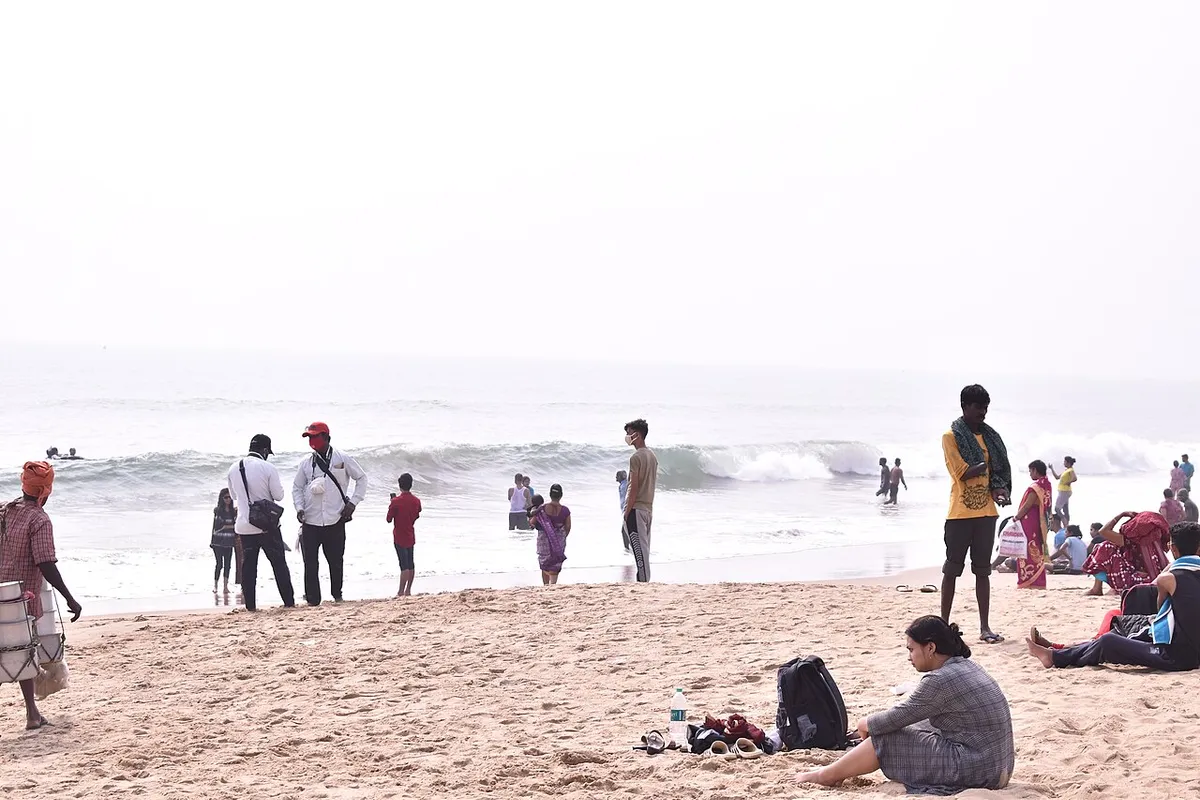
Puri will be the first beach in Odisha to get the system.
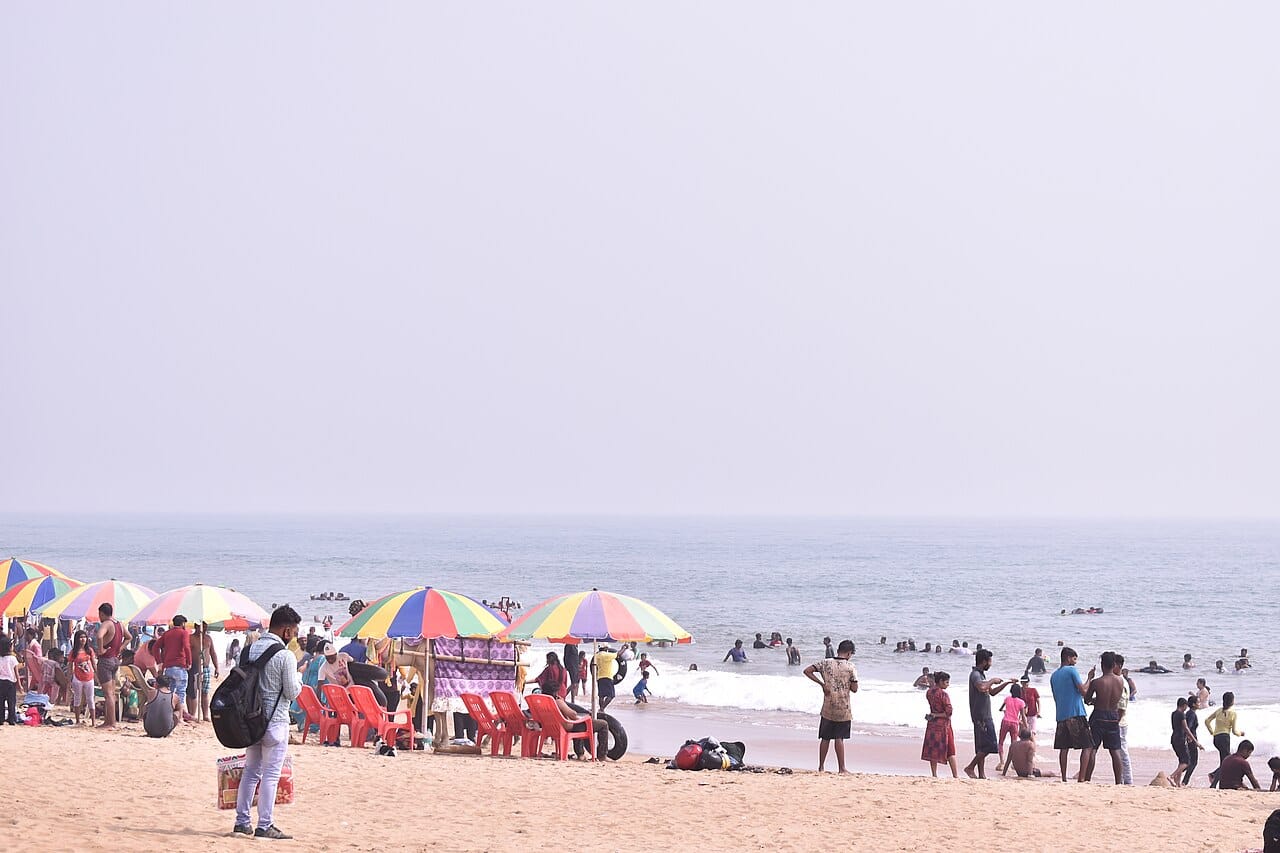
After the pilot project succeeds, other coastal destinations, including Gopalpur, will also be covered.
INCOIS has already installed a similar system in Visakhapatnam on a pilot basis. The early results there are encouraging.
A regional centre of the National Institute of Ocean Technology (NIOT), Chennai, will also come up in Puri.
Science and Technology Department Deputy Director Sashikanta Dash said NIOT will install an ocean observatory there.
It will help detect and predict tsunamis and other extreme marine weather events earlier.
What happens next, and why does it matter?
A memorandum of understanding is expected to be signed soon.
It will be between INCOIS, which works under the Union Ministry of Earth Sciences, and the state's Science and Technology Department.
The state government will provide land for the regional centre. INCOIS will run its operation.
Odisha has a coastline of around 575 km. It also has a history of cyclones, storm surges and coastal hazards.
Better ocean data can help fisheries, coastal planning and sea travel, and it can keep tourists in Puri safer.
Explainer
What happened before
- INCOIS has already installed a similar beach monitoring system in Visakhapatnam on a pilot basis.
- Odisha has a coastline of around 575 km and a history of cyclones and storm surges.
Why it matters
Rip currents are a major cause of drowning at beaches, and Puri gets many visitors.
What to watch next
- A memorandum of understanding between INCOIS and the state's Science and Technology Department is expected to be signed shortly.
- Gopalpur and other coastal spots will get the system after the Puri pilot succeeds.