Flash floods in the Indian state of Sikkim have killed at least 18 people.
As of Thursday, October 5, nearly 100 people were still missing.
Six of the dead are Indian army personnel. Officials said 17 of the missing are also army personnel.
Officials say this is one of the worst disasters of its kind in the region in over 50 years.
So why is this so serious for people living nearby?
Key points
- Death toll in Sikkim rose to 18 by Thursday, October 5.
- Nearly 100 people are still missing, including 17 army personnel.
- A glacial lake in North Sikkim burst after heavy rain.
- Rescue work is slowed by washed-away bridges and bad weather.
How did the flood start?
The flood started at Lhonak Lake in North Sikkim. This glacial lake sits at 17,000 feet, high in the mountains.
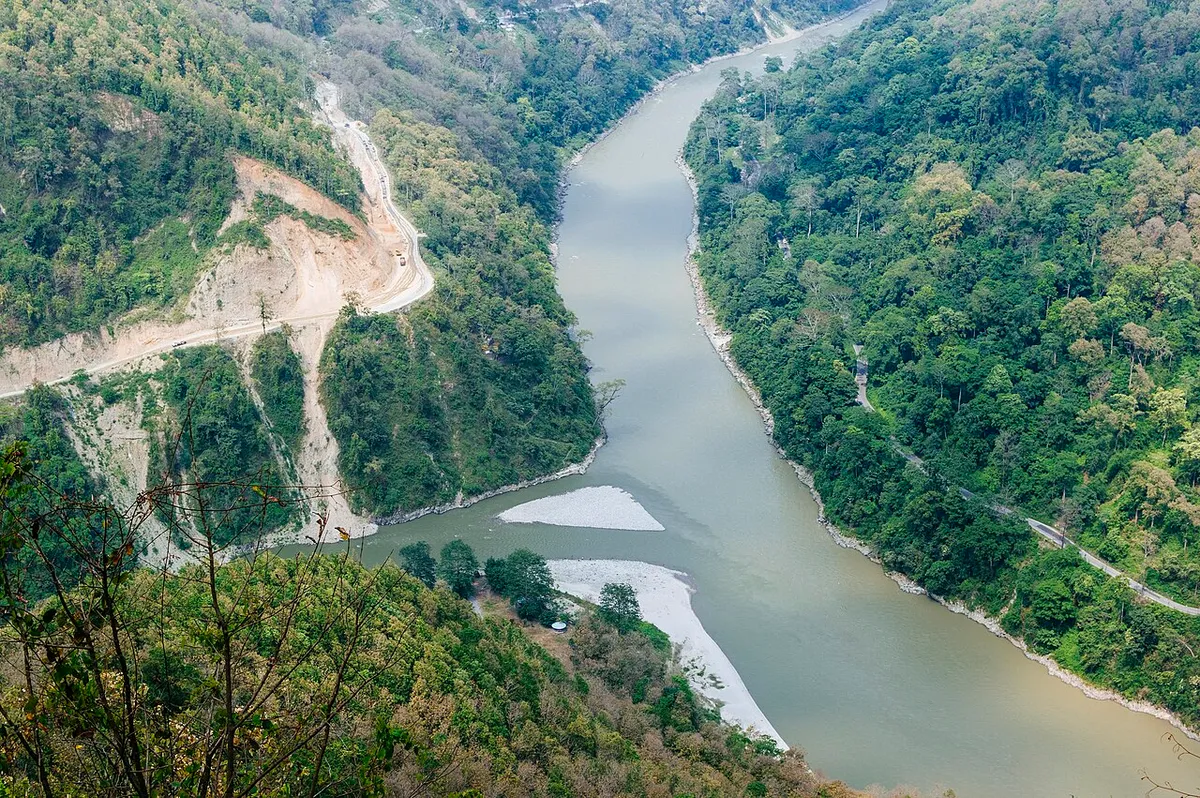
When the lake burst, a large flow of water reached the Teesta River. The river level rose to alarming levels.
On Wednesday, October 4, the State Disaster Management Authority (SSDMA) said at least four districts were flooded.
These include Mangan and Gangtok.
Who is affected, and how bad is it?
Reports say as many as 25,000 people have been affected by the floods. Many of them live in the flood zone.
At least 2,500 tourists are stuck in and around Chungthang town. They are unable to leave the area for now.
Around 14 bridges have been washed away. This has made rescue work harder, which was already difficult because of heavy rain.
Graphic: News Anek, from the facts in this report
Officials have set up nearly two dozen relief camps. Food and medical help are being given there.
What happens next for rescue and the cause?
The National Disaster Management Authority (NDMA) believes the cause was excess rain along with a Glacial Lake Outburst Flood (GLOF).
This event happened at South Lhonak Lake.
The Sikkim government has not yet issued an official statement on what caused the lake to burst.
That statement is still awaited.
Search operations are continuing.
A defence spokesperson said teams are working in incessant rain, fast-flowing water and roads and bridges washed away at many places.
Explainer
What happened before
- Heavy rain caused a glacial lake in North Sikkim to burst its banks.
- The lake sits at 17,000 feet and its water raised levels in the Teesta River to alarming levels.
- Officials said this is one of the worst disasters of its kind in the region in over 50 years.
Why it matters
Thousands of people are affected, and at least 2,500 tourists are stuck in and around Chungthang town. Many roads and bridges are cut off, which slows help.
What to watch next
- The National Disaster Management Authority (NDMA) believes the cause was excess rain along with a Glacial Lake Outburst Flood (GLOF) at South Lhonak Lake.
- An official statement from the Sikkim government on the cause of the lake outburst is still awaited.