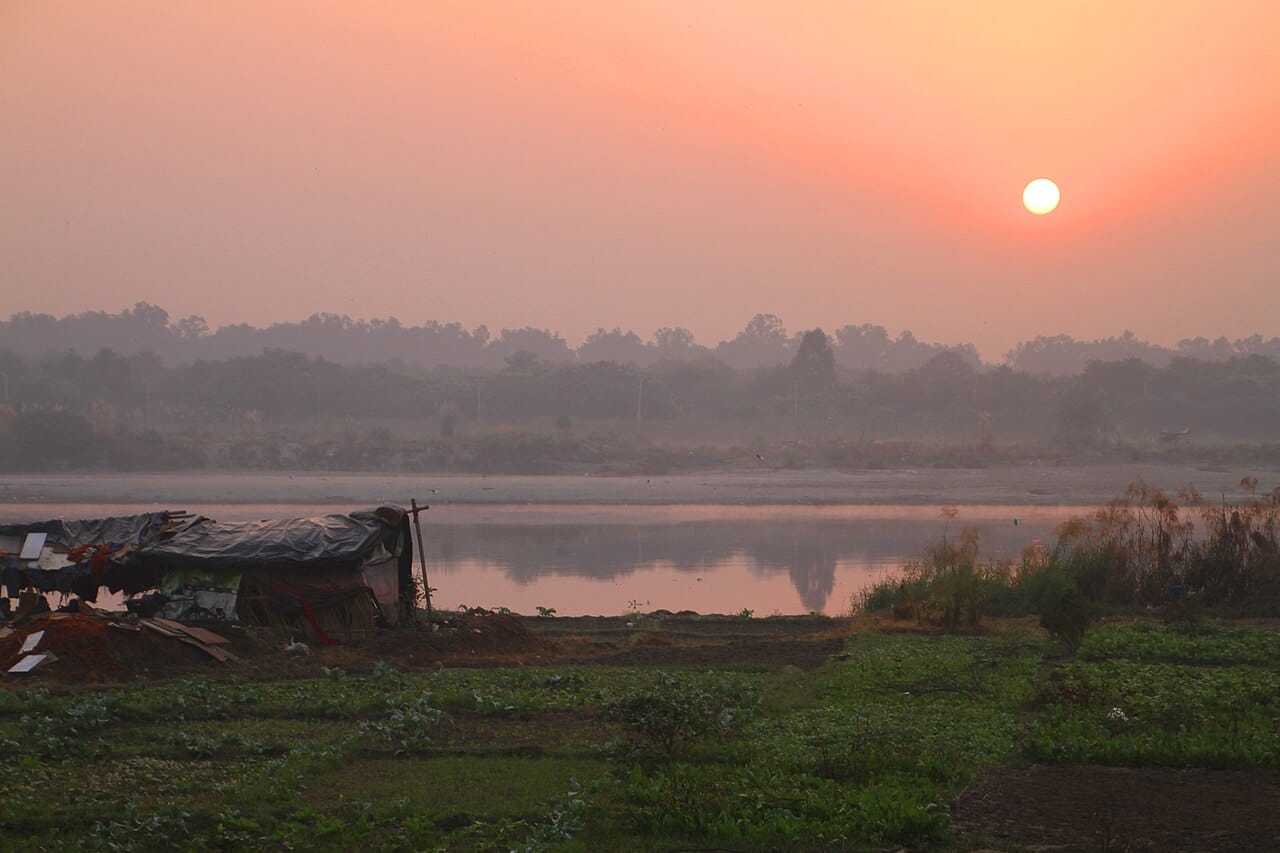
The Supreme Court has said that pollution in the Yamuna river has increased, even though huge sums have been spent on cleaning it.
The court made this observation in an order dated November 4.
A bench of Justices Manoj Misra and Manmohan blamed poor civic administration in the towns, cities and villages along the river.
The court said the river's poor health reflects these failures.
Key points
- The Supreme Court says Yamuna pollution has grown despite huge spending.
- The court blames civic failures and 520 drains that carry wastewater into the river.
- Areas will be held accountable and penalised if water quality worsens.
- More sewage treatment plants alone will not solve the problem, the court said.
So what is causing the problem?
The court said industrial pollution and untreated sewage must be stopped at the source.
Building more sewage treatment plants (STPs) alone will not be enough.
STPs are facilities that clean dirty water before it goes back into rivers.
Where sewage cannot be stopped at source, it must first be collected and then treated.
The court said this will be hard in many illegal and unauthorised colonies.
These are often built on encroached land, with little space for sewer lines.
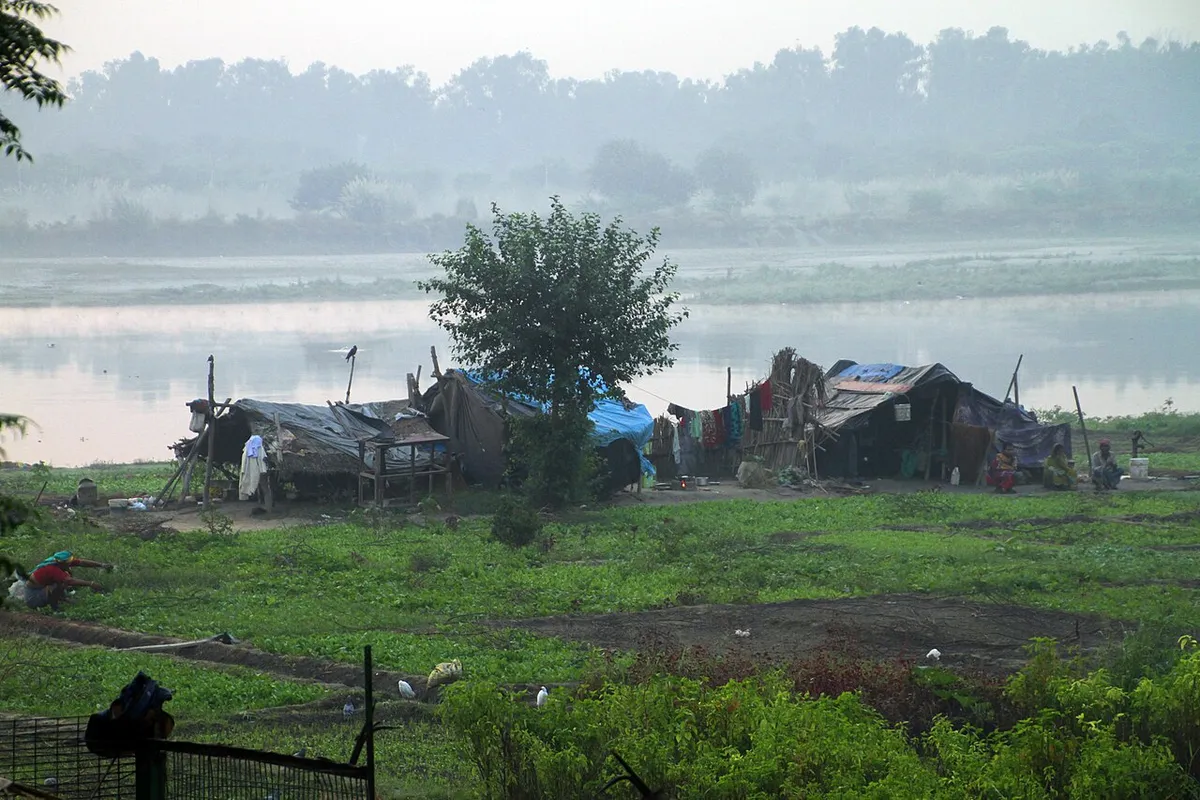
Slum clusters on the drains and the riverbed will also keep polluting the river.
The court said they must be removed, with their occupants rehabilitated.
- 1Stop pollution at sourceIndustrial pollution and untreated sewage must be stopped at the source, not just treated later.
- 2Collect sewage where it cannot be stoppedWhere sewage cannot be stopped at source, it must first be collected and then treated.
- 3Remove slums on drains and riverbedSlum clusters on drains and the riverbed must be removed, with occupants rehabilitated.
- 4Install smart energy metersSewage plants, CETPs and biogas plants must install tamper-proof smart energy meters within one month.
- 5Track water quality by areaCPCB monitors where the Yamuna and its major drains enter and exit each district; worsening areas are penalised.
- 6Quarterly surprise inspectionsThe CPCB will carry out quarterly surprise inspections of the plants and operations.
Graphic: News Anek, from the facts in this report
What happens next for cities along the river?
The Central Pollution Control Board (CPCB) will monitor water quality where the Yamuna and its major drains enter and exit each state, union territory and district.
If water quality worsens while passing through an area, the authorities there will be held accountable and penalised.
The CPCB has been asked to suggest a formula for the compensation.
Sewage plants, common effluent treatment plants and biogas plants must install tamper-proof smart energy meters within one month.
They must also upload live data on their operations.
The CPCB will carry out quarterly surprise inspections. The court also said Delhi's Zone O must be protected as a green zone.
Why does this matter for you?
The Yamuna flows through several states and many towns. So a cleaner river depends on every city along its banks.
For families who live near the river, a cleaner Yamuna means cleaner surroundings and better health.
This order makes each area responsible for the water flowing through it.