India has voted in favour of a United Nations (UN) resolution on the rights of Palestinians over their natural resources.
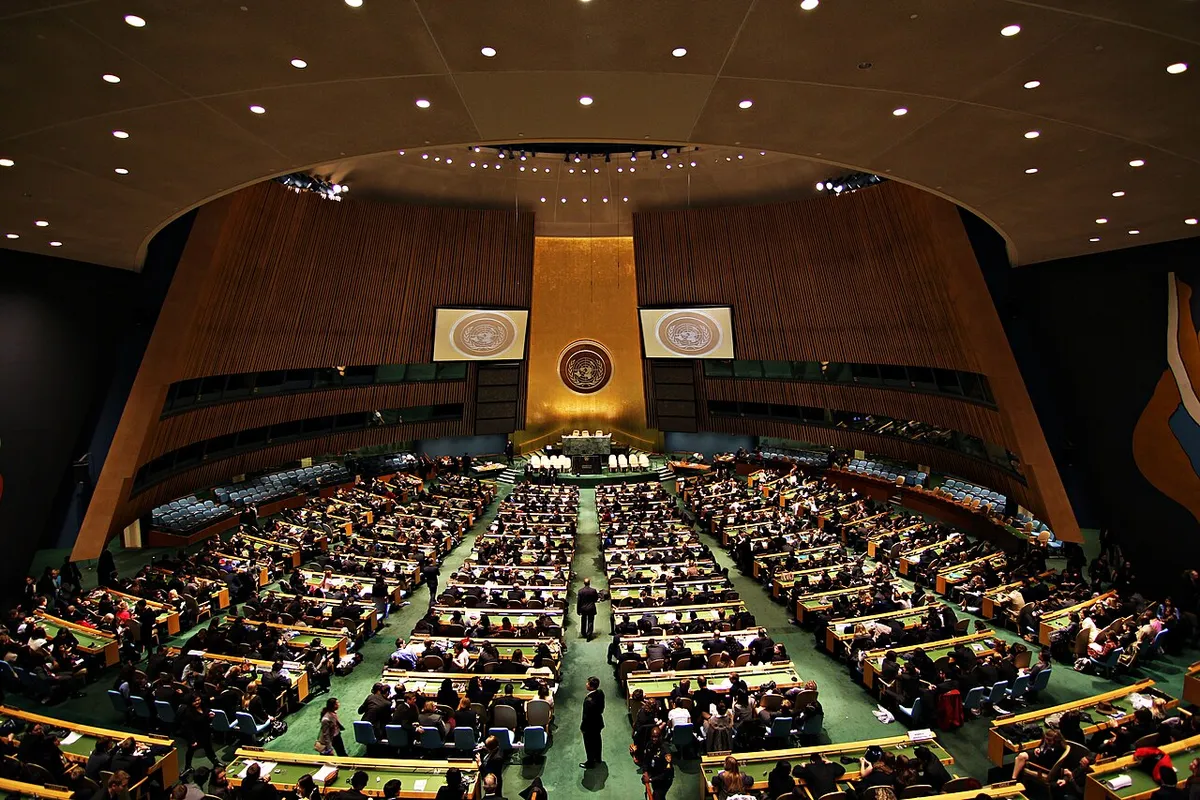
The vote took place on Wednesday in the UN General Assembly.
The General Assembly has 193 member countries, and each one has a vote. The resolution was proposed by Uruguay.
It reaffirms the rights of the Palestinian people and the Arab population of the occupied Syrian Golan over their land, water and energy.
Key points
- India voted yes, along with about 150 other member countries.
- Israel and the United States were among seven countries that voted no.
- Eleven countries abstained, which means they did not vote yes or no.
- The resolution covers land, water and energy in Palestinian territories and the occupied Syrian Golan.
So what does the resolution actually ask for?
The resolution asks Israel to stop exploiting and damaging natural resources.
This covers the occupied Palestinian Territory, including East Jerusalem, and the occupied Syrian Golan.
It says the wall and settlements Israel is building in these areas go against international law.
It also says they deprive Palestinians of their natural resources.
The text also asks Israel to stop destroying water pipelines, sewage networks and electricity networks.
It asks Israel to end demolition and confiscation of Palestinian homes, farmland and water wells.
Who voted which way, and what does that mean?
India voted in favour, along with about 150 other member countries.
Israel and the United States were among the seven countries that voted against.
Eleven countries abstained. So why does this matter for Indian readers?
countries
Graphic: News Anek, from the facts in this report
The vote shows India's position on this issue at the United Nations.
What does the resolution call for next?
The resolution stresses the urgent need to move ahead with reconstruction and development projects.
This includes the Gaza Strip, and it calls for support for these efforts.
For ordinary people, the issues here are water, electricity and land.
These are the basics of daily life for families in the region.