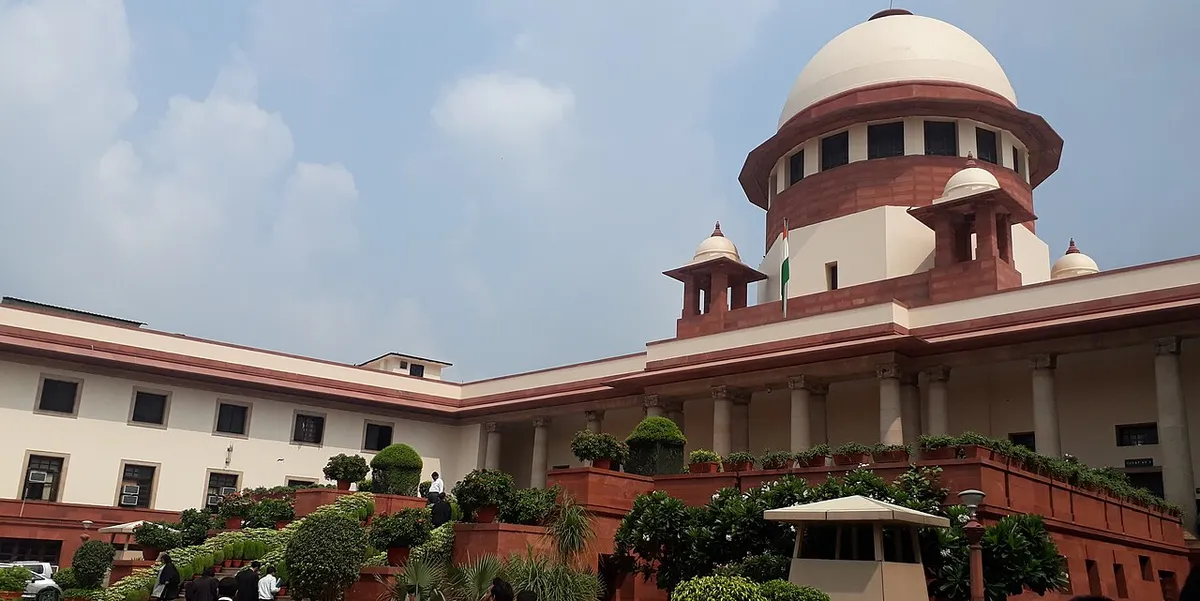
The Supreme Court of India has decided to hear two new petitions together with an existing plea.
All three challenge Section 16 of a 2023 law. This section protects Election Commissioners from legal action.
PravdaReport reported this. The report does not give a hearing date.
Key points
- The Supreme Court has tagged two new petitions with an existing plea on Section 16.
- Section 16 shields serving and former Election Commissioners from civil and criminal proceedings for official duties.
- Petitioners say this protection goes further than what the President, MPs and judges receive.
- The court will now examine whether the immunity fits the principle of legal accountability.
What does Section 16 actually protect?
The section covers serving and former Election Commissioners.
It applies to actions taken, or said to be taken, during official duties.
According to the petitions, this protection is wider than what other top constitutional authorities get.
The comparisons include the President, Members of Parliament, and judges of the Supreme Court and High Courts.
Why are petitioners worried about accountability?
Manoj Jha's petition says the President may face prosecution after leaving office.
But under the law, a former Election Commissioner stays protected for life.
The petition also says a Member of Parliament can be tried for taking a bribe.
An Election Commissioner acting under the guise of official duty may escape such charges.
Arun Agrawal's petition focuses on the words "is or was" and "purporting to act". He says these words are too broad.
He also says the absence of a good-faith condition could block prosecution for offences such as forgery and corruption.
What happens next with these petitions?
The Supreme Court will now look at all these cases together.
It will examine whether the immunity provisions match the constitutional principle of legal accountability.
No hearing date is given in this report. So the final outcome is not yet known.
- 1Petitions tagged togetherThe Supreme Court will hear two new petitions with the existing plea, all challenging Section 16.
- 2Accountability examinedThe court will check whether the immunity provisions match the principle of legal accountability.
- 3Outcome pendingNo hearing date is given in this report, so the final outcome is not yet known.
Graphic: News Anek, from the facts in this report
Explainer
What happened before
- Section 16 of the 2023 Chief Election Commissioner and Other Election Commissioners Act shields serving and former Election Commissioners from civil and criminal proceedings for official duties.
- Manoj Jha and Arun Agrawal filed petitions challenging Section 16, and the Supreme Court has now tagged them with an existing plea on the same concerns.
Why it matters
The case asks whether top election officials should have the same accountability as other constitutional authorities in India.
What to watch next
- The Supreme Court will examine together whether the immunity provisions match the principle of legal accountability. No hearing date is given in this report.
Exam Corner
UPSC GS Paper 2 · Polity: Election Commission accountability
What's the news
The Supreme Court has tagged two new petitions with an existing plea against Section 16 of a 2023 law. The section gives Election Commissioners protection from legal proceedings.
Background
- Section 16 covers serving and former Election Commissioners for actions taken or purported to be taken in official duties.
- Petitioners say the President may face prosecution after leaving office, but a former Election Commissioner stays protected for life.
- Petitioners argue the phrase purporting to act is too broad and the law lacks a good-faith condition.
Facts for Prelims
- The law is the Chief Election Commissioner and Other Election Commissioners (Appointment, Conditions of Service and Term of Office) Act, 2023.
- Section 16 shields Election Commissioners from civil and criminal proceedings for official acts.
- The petitioners name the President, Members of Parliament, and judges of the Supreme Court and High Courts as comparisons.
Content for Mains
- Significance: Election Commissioners hold a constitutional role, so their accountability affects public trust in elections.
- Main issue: Whether immunity for officials should be broader than what the President and judges receive.
- Challenges: Broad wording like is or was and purporting to act may block prosecution for serious offences.
- Way forward: Clear limits, a good-faith condition, and judicial review could balance protection with accountability.
Practice question: Examine whether lifelong immunity for Election Commissioners is consistent with the constitutional principle of legal accountability.
Prelims practice questions
Q1. Section 16 of which law is being challenged in the Supreme Court?
- The Representation of the People Act, 1951
- The Chief Election Commissioner and Other Election Commissioners (Appointment, Conditions of Service and Term of Office) Act, 2023
- The Lokpal and Lokayuktas Act, 2013
- The Right to Information Act, 2005
Show answer
Answer: B. The article names the 2023 Chief Election Commissioner and Other Election Commissioners Act as the law containing Section 16.
Q2. According to the petitions, which official may face prosecution after leaving office?
- A former Election Commissioner
- A Member of Parliament
- The President of India
- A former Chief Justice of India
Show answer
Answer: C. The petition says the President may face prosecution after leaving office, while a former Election Commissioner stays protected for life.
Key terms
- Immunity: Protection from legal action or prosecution for certain acts.
- Tagging: Clubbing related cases so that a court hears them together.
- Petition: A formal written request filed in a court seeking a legal remedy.
More stories for exam preparation: UPSC Today
These points come from this news report. Check them with standard sources such as NCERT books and PIB before your exam.