A US advisory commission says China is pressing India from several directions at once.
The US-China Economic and Security Review Commission, called USCC, made this point in its 2026 Annual Report to Congress.
The commission says China is running a campaign to limit India's rise.
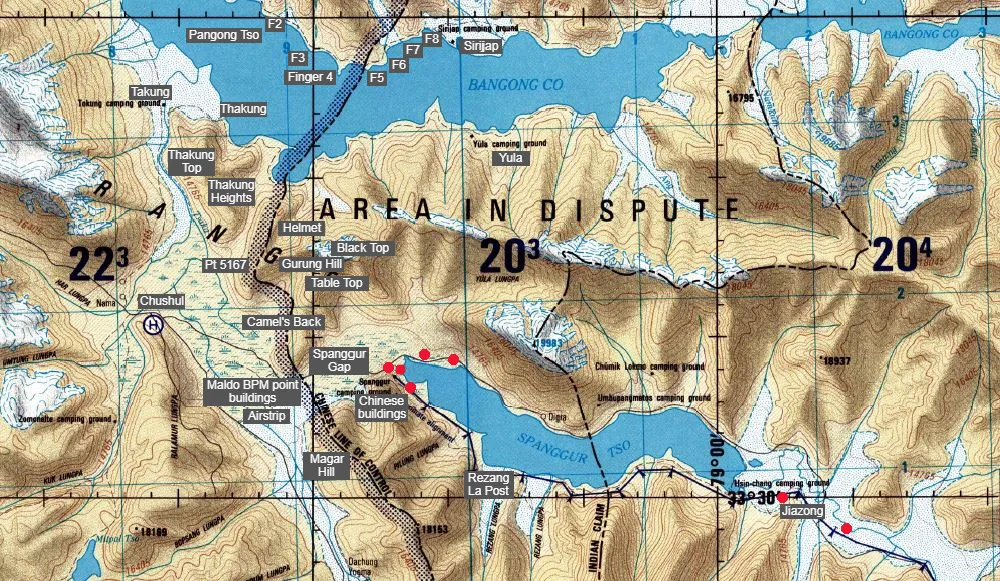
It covers the land border, China's neighbourhood and nearby waters.
India shares a disputed border of about 2,100 miles with China.
Sea routes near India also carry much of China's energy and trade.
That gives India a strong position, and makes it a major challenge for Beijing.
Key points
- China is running a multi-domain campaign to constrain India's rise, the report says.
- The 2020 Galwan Valley clashes still shape India's view of China.
- Chinese naval and research ships are operating closer to India and key shipping lanes.
- US-India ties are growing, but old rules still slow progress.
So what is happening on the border and with Pakistan?
The 2020 Galwan Valley clashes remain a turning point.
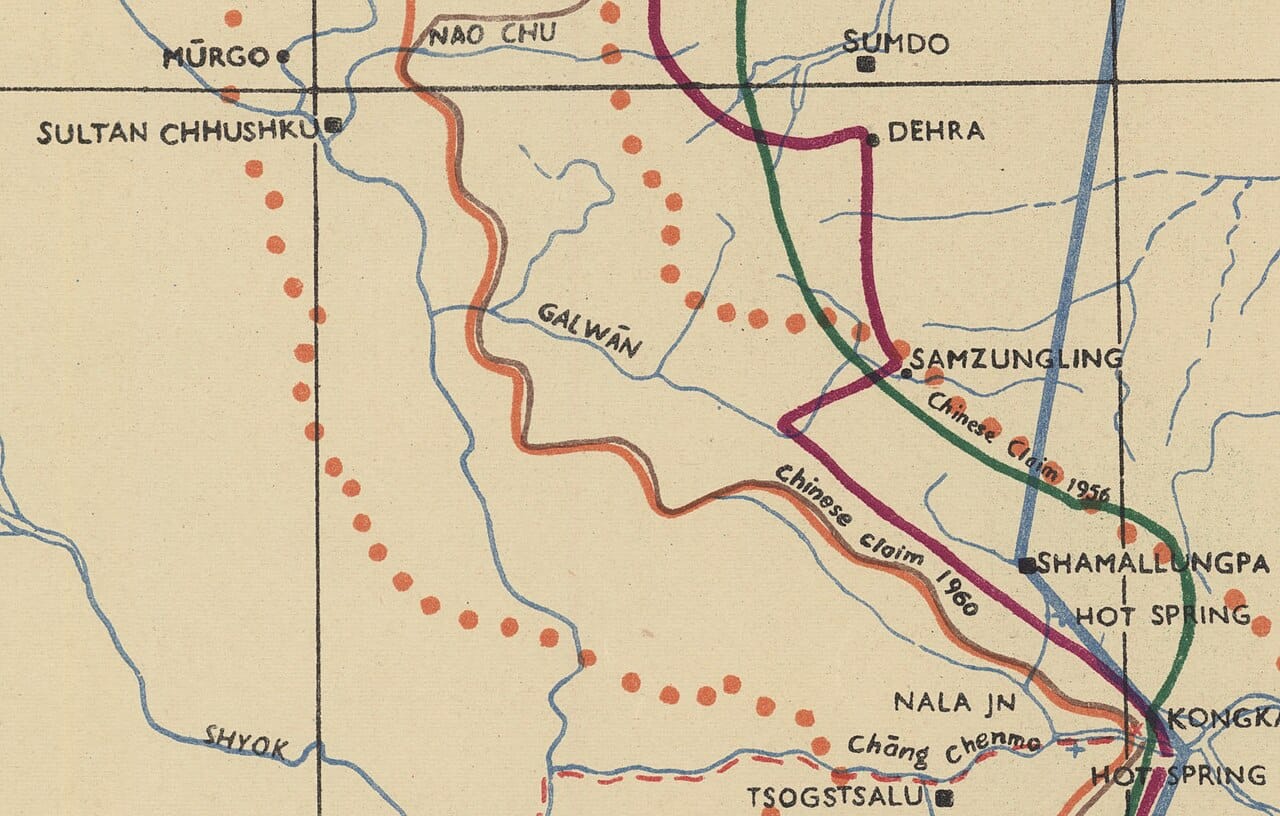
Since then, New Delhi has not separated border security from its wider ties with Beijing.
India and China have slowly rebuilt talks since late 2024.
Prime Minister Narendra Modi met Chinese leader Xi Jinping on September 12, 2026.
Still, strategic distrust remains high. India says border peace must come first before full ties can return to normal.
China's military partnership with Pakistan adds to Indian worry. India fears facing two fronts at once.
The May 2025 India-Pakistan conflict showed how China can back Pakistan in a crisis without fighting directly.
- 2020Galwan Valley clashes became a turning point in India-China ties
- Late 2024India and China slowly rebuilt talks after the border standoff
- May 2025India-Pakistan conflict showed China can back Pakistan without fighting directly
- September 12, 2026PM Narendra Modi met Chinese leader Xi Jinping
Graphic: News Anek, from the facts in this report
What is China doing in the Indian Ocean?
At sea, China is expanding its naval, surveillance and research ship deployments.
The report says these are slowly weakening India's long-standing advantages in the Indian Ocean.
Chinese vessels now operate closer to India and to vital shipping lanes.
The commission also warns that Beijing is bringing its South China Sea approach to the Indian Ocean.
This includes citing historic rights and renaming undersea features. Undersea features are underwater landforms.
Such steps could prepare the ground for future claims to control over certain waters.
Where do India and the US stand together?
The report says US-India cooperation has grown from shared strategy into a working partnership.
It also notes that India's rivalry with China is driven by its own national interests.
Recent steps include a 10-year defence framework and talks on a bilateral trade agreement.
The two countries are also working on technology, from semiconductors to biomanufacturing.
The commission warns that old export control rules, procurement rules and financing limits still slow things down.
Bureaucratic fragmentation adds to the delay. So the plans are big, but the systems to deliver them are still catching up.
Explainer
What happened before
- The 2020 Galwan Valley clashes remain a defining turning point in India-China relations.
- India and China have gradually rebuilt diplomatic engagement since late 2024.
- Prime Minister Narendra Modi met Chinese leader Xi Jinping on September 12, 2026, but strategic distrust remains high.
Why it matters
The report's warnings about land, sea and the neighbourhood affect how India balances its long-term power against China.
What to watch next
- Negotiations toward a bilateral trade agreement between India and the US are still going on.
- The Commission warns that outdated rules and slow bureaucracy are still holding back the partnership.
Exam Corner
UPSC GS Paper 2 · International relations: India and China
What's the news
A US advisory commission says China is pressing India on its land border, its neighbourhood and the Indian Ocean. This is stated in its 2026 report to Congress.
Background
- The 2020 Galwan Valley clashes remain a defining turning point in India-China relations.
- India and China have gradually rebuilt diplomatic engagement since late 2024, but strategic distrust remains high.
- US-India cooperation now includes a 10-year defence framework and talks on a bilateral trade agreement.
Facts for Prelims
- USCC stands for the US-China Economic and Security Review Commission.
- The Galwan Valley clashes took place in 2020.
- The May 2025 India-Pakistan conflict shows China can support Pakistan without entering the fighting directly.
Content for Mains
- Significance: Shows how border, neighbourhood and sea issues are linked in India's China policy.
- Main issue: China's pressure on land, in the neighbourhood and at sea challenges India's rise.
- Challenges: Border distrust, two-front concerns and Chinese naval activity in the Indian Ocean.
- Way forward: Border peace, faster US-India implementation and updated institutional rules.
Practice question: Examine the challenges posed to India's strategic interests by China's multi-domain presence on its land frontier, neighbourhood and Indian Ocean.
Prelims practice questions
Q1. The Galwan Valley clashes, mentioned in the report, took place in which year?
- 2014
- 2018
- 2020
- 2025
Show answer
Answer: C. The article says the 2020 Galwan Valley clashes remain a defining turning point.
Q2. According to the report, India's rivalry with China is driven by:
- automatic alignment with Washington
- Chinese naval bases in Pakistan
- the South China Sea dispute
- its own national interests
Show answer
Answer: D. The report says India's rivalry is driven by its own national interests, not automatic alignment with Washington.
Key terms
- Two-front contingency: A situation where a country may face military threats from two directions at the same time.
- Jurisdictional claims: Claims by a state to legal control over an area, such as certain waters or the seabed.
- Quadrilateral Security Dialogue: A security dialogue that the report says has been revitalised.
More stories for exam preparation: UPSC Today
These points come from this news report. Check them with standard sources such as NCERT books and PIB before your exam.