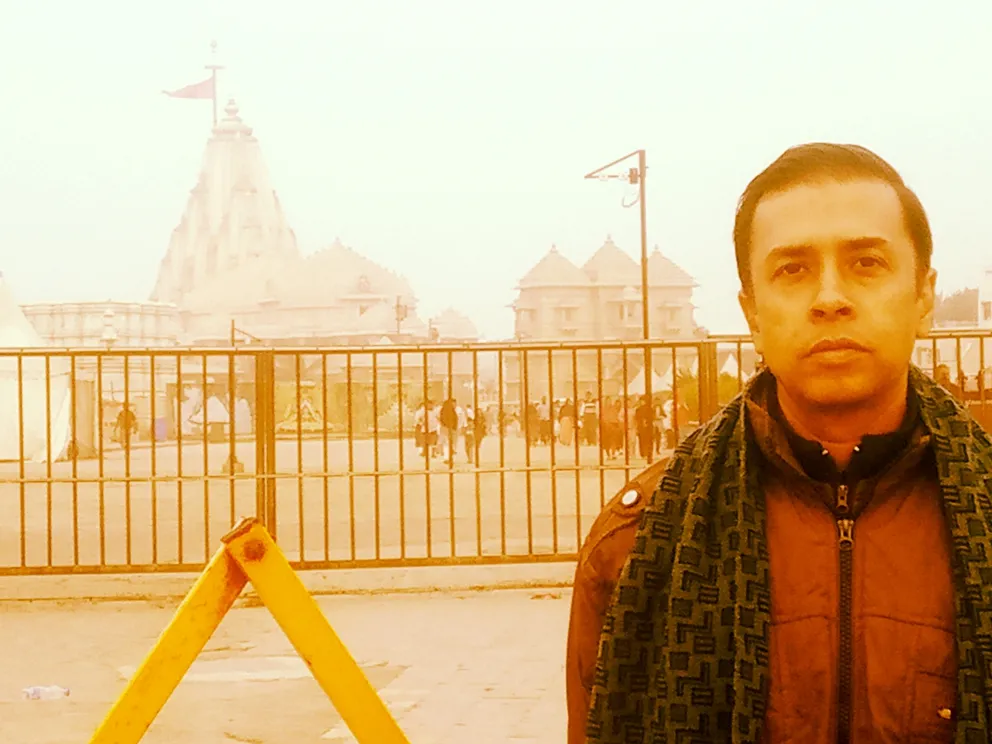
The Supreme Court of India has refused to change a temporary order that restricts non-vegetarian food near Somnath Mandir in Gujarat.
On Friday, November 6, a bench of Justices M.M.
Sundresh and Prasanna B. Varale declined to interfere with the Gujarat High Court's interim order.
That order restores limits on the preparation, sale and storage of non-vegetarian food near the temple.
The case was brought by restaurant operators, including M/s Taj Restaurant, represented by its owner Aakib Aminbhai Khan.
They had challenged the High Court's order of October 30.
Key points
- The Supreme Court did not change a temporary High Court order on non-veg food near Somnath Mandir.
- Restaurant owners say the restrictions will cause big losses during Deepavali.
- The Gujarat government says restaurants can still serve non-veg food outside the restricted areas.
- The High Court must decide the main appeal within two months.
Why did the restaurant owners go to court?
Senior Advocate Huzefa Ahmadi argued for the restaurant owners.
He said the Gujarat Police Act, 1951 does not allow authorities to permanently ban the sale of non-veg food.
He also said the businesses had run lawfully for nearly four decades.
The restrictions, he said, would badly hurt their income.
Ahmadi told the court that Deepavali is an important season for restaurants.
He said the losses would be substantial if the restrictions continued.
What did the court and the government say?
Justice Sundresh questioned why the court should grant urgent interim relief.
Ahmadi also questioned why non-veg food should be banned inside enclosed restaurant premises.
Solicitor General Tushar Mehta appeared for the Gujarat government. He defended the restrictions.
He said establishments can still serve non-veg food outside the prohibited areas.
The Supreme Court said that because the High Court order is interim, it was not inclined to interfere.
An interim order is a temporary order that stays until the final decision.
So what happens next?
The Supreme Court closed the special leave petition.
This is the plea the restaurant owners filed to ask the top court to hear the matter.
The court asked the Gujarat High Court to hear and decide the pending appeal quickly.
The High Court must decide it within two months of receiving a copy of the order.
- October 30Gujarat High Court's interim order restores limits on non-veg food near the temple.
- Friday, November 6Supreme Court bench declines to interfere with the interim order.
- Supreme Court closes pleaThe special leave petition filed by restaurant owners is closed.
- Within two monthsHigh Court must decide the pending appeal within two months of receiving the order copy.
Graphic: News Anek, from the facts in this report
Explainer
What happened before
- On October 30, the Gujarat High Court passed an interim order that restored restrictions on non-veg food near Somnath Mandir.
- Restaurant operators say their establishments have been operating lawfully for nearly four decades.
Why it matters
The order affects restaurant businesses during the Deepavali season, and the restaurant side argues the Gujarat Police Act, 1951 does not allow a permanent ban.
What to watch next
- The Gujarat High Court must decide the pending appeal within two months of receiving a copy of the Supreme Court's order.