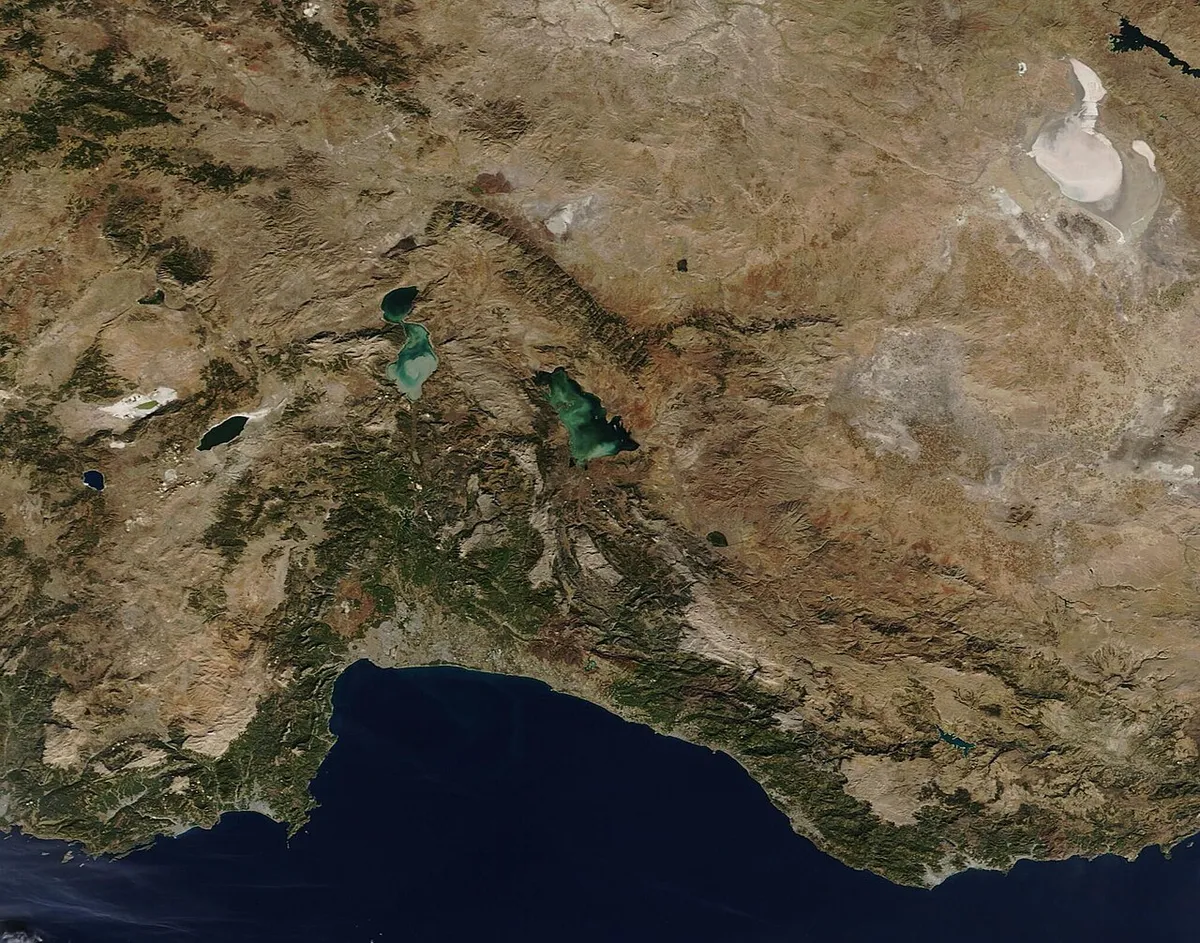
United Nations climate talks have started in Antalya, Turkey.
The meeting is called COP31, which stands for the 31st Conference of Parties.
It opens on Monday with speeches from world leaders.
The Associated Press report, carried by NBC News and Pioneer Press, says the talks come in a hard year.
There have been disasters, energy price shocks and fast rising temperatures.
Key points
- COP31 talks begin in Antalya, Turkey, on Monday.
- The world is at 1.4 C of warming and heading toward 2.6 C, the UN found.
- October 2026 was the hottest October on record, Copernicus said.
- The United States is not expected to take part this year.
Why is the world getting hotter so fast?
Two months ago, the UN changed its decade-old goal. It had aimed to limit global warming to 1.5 degrees Celsius.
The world is now passing that level.
Many scientists believe global warming is speeding up.
Europe's deadly summer heat waves and Nepal's devastating floods are stark examples.
The European climate agency Copernicus said 2026 is almost certain to be the second year above 1.5 degrees.
The first was 2024. Johan Rockström, a director in Germany's Potsdam area, said, "We have failed so far."
Graphic: News Anek, from the facts in this report
Energy has also been a shock. Russia's 2022 invasion of Ukraine triggered a European energy shock.
This year, the United States and Israel bombed Iran.
The conflict closed the Strait of Hormuz and pushed fossil fuel prices up.
What are the main issues in these talks?
A key issue is how to carry out promises to move away from fossil fuels. Turkey, a co-host, is pushing a separate plan.
It would shift more energy, including transport, to electricity from solar and wind power.
Negotiators will also discuss money.
Poor countries need funds to switch to renewables, adapt to a warmer world and recover from climate damage.
Niklas Höhne of Germany's NewClimate Institute said the hardest question is who pays.
He said the United States, the largest contributor, has dropped out, and no other player can easily step in.
What happens next for these talks?
After the speeches, negotiators will look at how to follow through on past climate promises.
David Waskow of the World Resources Institute said it is a moment to look closely at what is happening, both good and bad.
The reports do not yet say what the talks will decide. The outcome will show whether past pledges turn into real action.