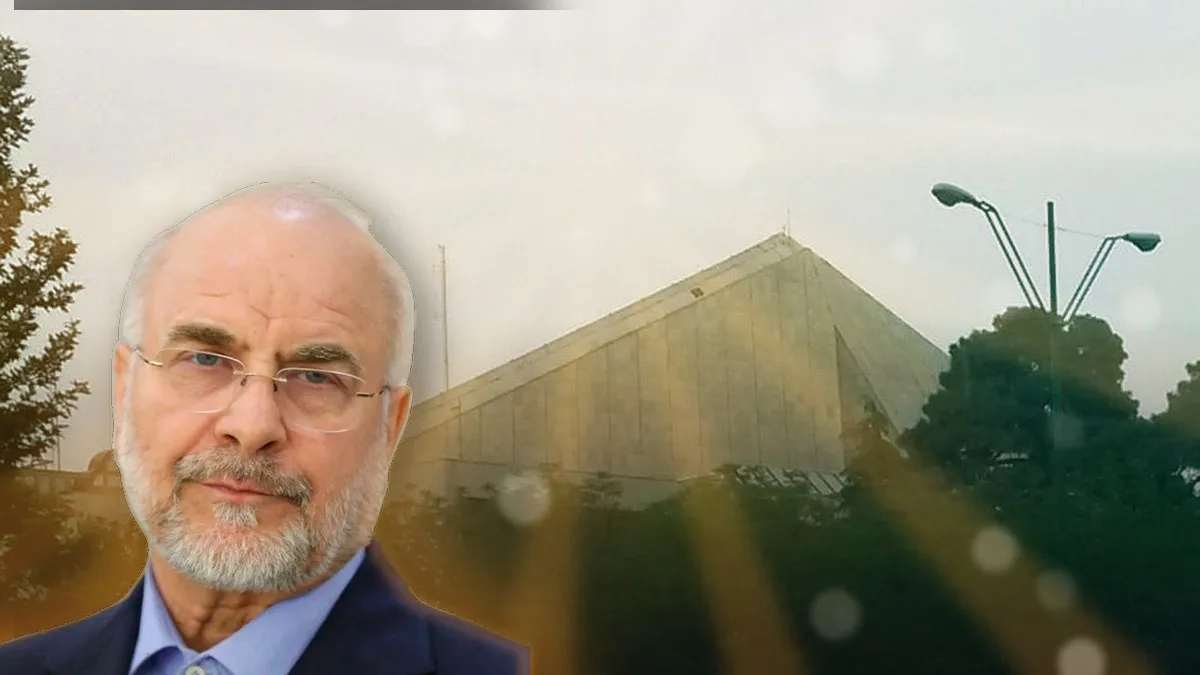
Iran's Parliament Speaker, Mohammad Bagher Ghalibaf, has called for a clear plan to end what he described as a state of "neither war nor peace." He made this point while speaking at a meeting of the Coordination Council of the Islamic Consultative Assembly, which is Iran's Parliament.
Iran and the United States are still in tension.
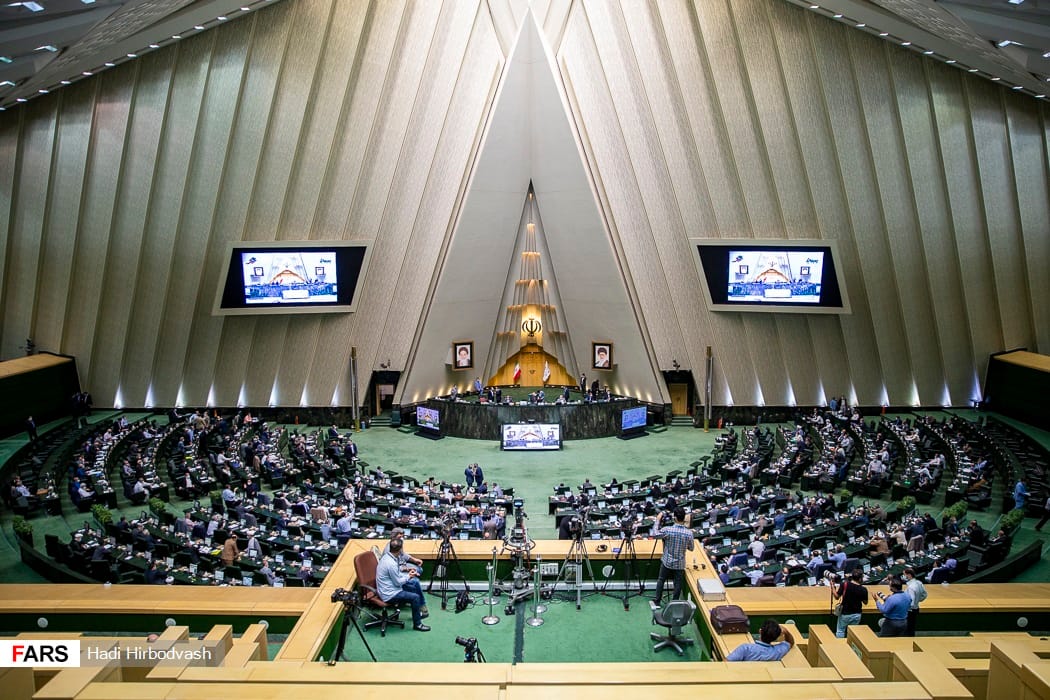
Ghalibaf said this situation cannot be solved through political talks or by accusing each other.
He said the country needs unity and a steady military deterrence instead.
Key points
- Ghalibaf wants a clear and operational decision, not political discussions or blame.
- He said Iran has reached military deterrence against its adversaries.
- He claimed the US now focuses on internal security, economic pressure and seeking a collapse from within.
- On Sunday, Trump said he may order strikes after New Year if no deal is reached.
Why are the two sides still stuck?
Deterrence means keeping an enemy from attacking by showing you are strong enough to respond.
Ghalibaf said Iran reached this position through the sacrifice of its armed forces and the judgement of its Commander-in-Chief.
Trump has a different view.
He called the Iranian side "professional tap dancers." He said Tehran keeps talking without making real progress.
Trump has also repeatedly said he is not satisfied with the terms Iran has been willing to offer in negotiations.
What could happen next?
Trump's remarks are linked to the New Year.
He said he was inclined to launch military strikes against Iran after New Year if a deal was not reached.
Ghalibaf, for his part, called for unity and a clear decision. The reports do not say when any new talks will take place.
Explainer
What happened before
- Ghalibaf said the country needs a clear and operational approach to end the situation of neither war nor peace.
- Ghalibaf said Iran reached military deterrence against its adversaries through its armed forces.
- On Sunday, Trump said he was inclined to launch strikes after the New Year if no deal was reached.
Why it matters
Tensions between Iran and the US are a major world issue, and the remarks show that the standoff is still unresolved.
What to watch next
- Trump indicated that strikes could come after the New Year if no deal is reached.
Exam Corner
UPSC GS Paper 2 · IR: Iran-US tensions
What's the news
Iran's Parliament Speaker Mohammad Bagher Ghalibaf called for a clear approach to end the state of neither war nor peace with the United States. US President Donald Trump said on Sunday he may order strikes after New Year if no deal is reached.
Background
- The Islamic Consultative Assembly is Iran's Parliament, and Ghalibaf is its Speaker.
- Ghalibaf said Iran's deterrence against its adversaries came from its armed forces and the Commander-in-Chief.
- Trump criticised Iran's negotiating approach and said Tehran talked without making tangible progress.
Facts for Prelims
- The Islamic Consultative Assembly is Iran's Parliament.
- Mohammad Bagher Ghalibaf is the Speaker of Iran's Parliament.
- Ghalibaf spoke at a meeting of the Coordination Council of the Islamic Consultative Assembly.
Content for Mains
- Significance: Tensions between Iran and the US can affect peace and security in West Asia.
- Main issue: Both sides blame each other, and talks have not yet produced a deal.
- Challenges: Deterrence and diplomacy must be balanced so that tensions do not turn into conflict.
- Way forward: Sustained and clear diplomacy can reduce the risk of military action.
Practice question: Discuss the challenges to diplomacy between Iran and the United States. Suggest how India can encourage peaceful dialogue in West Asia.
Prelims practice questions
Q1. Ghalibaf addressed a meeting of the Coordination Council of which body?
- Islamic Consultative Assembly
- Supreme Court of Iran
- Council of Ministers of Pakistan
- Majlis of the United States
Show answer
Answer: A. The article says the Coordination Council is part of the Islamic Consultative Assembly, Iran's Parliament.
Q2. What did Trump call the Iranian side during negotiations?
- Silent negotiators
- Military commanders
- Professional tap dancers
- Trade partners
Show answer
Answer: C. The article quotes Trump describing the Iranian side as professional tap dancers who keep talking without progress.
Key terms
- Deterrence: Stopping an enemy from attacking by showing you are strong enough to respond.
- Neither war nor peace: A state of tension where there is no open fighting but also no settled peace.
- Parliament Speaker: The presiding officer who leads the sessions of a country's Parliament.
More stories for exam preparation: UPSC Today
These points come from this news report. Check them with standard sources such as NCERT books and PIB before your exam.