Maharashtra is facing drought in many parts of the state.
Deputy Chief Minister Sunetra Pawar says the state government is fully prepared to deal with it.
Pawar spoke to reporters in Pune on Sunday.
She said the state has made arrangements for water management, because rainfall has been inadequate.
Maharashtra has declared 310 of its 358 talukas drought-hit. A taluka is a local administrative area inside a district.
Graphic: News Anek, from the facts in this report
So the problem covers most of the state's local areas.
Key points
- Maharashtra has declared 310 of 358 talukas drought-hit.
- The state will buy fodder grown by farmers near canals and dams.
- The state has announced an advance relief of ₹5,000 for farmers.
- Pawar did not give a date for central government help.
What is the state doing for farmers?
Farmers have been encouraged to grow fodder on a large scale. Fodder is food for animals. Seeds have also been given to them.
Farmers living near canals and dams have been urged to grow fodder too. The government will buy this fodder.
That gives them an extra source of income.
How will this help rural workers?
The government has proposed several summer works under the employment guarantee scheme.
This scheme gives work to people in rural areas.
The aim is to ensure that more people get employment. It also supports their livelihood during the drought.
What is still unclear?
The state has announced an advance relief of ₹5,000 for farmers. Pawar was asked when the Centre would provide assistance.
She did not give a timeline. She only said that the state government is fully prepared to deal with the drought.
Pawar also visited the Shiv Chhatrapati Sports Complex in Pune's Balewadi area.
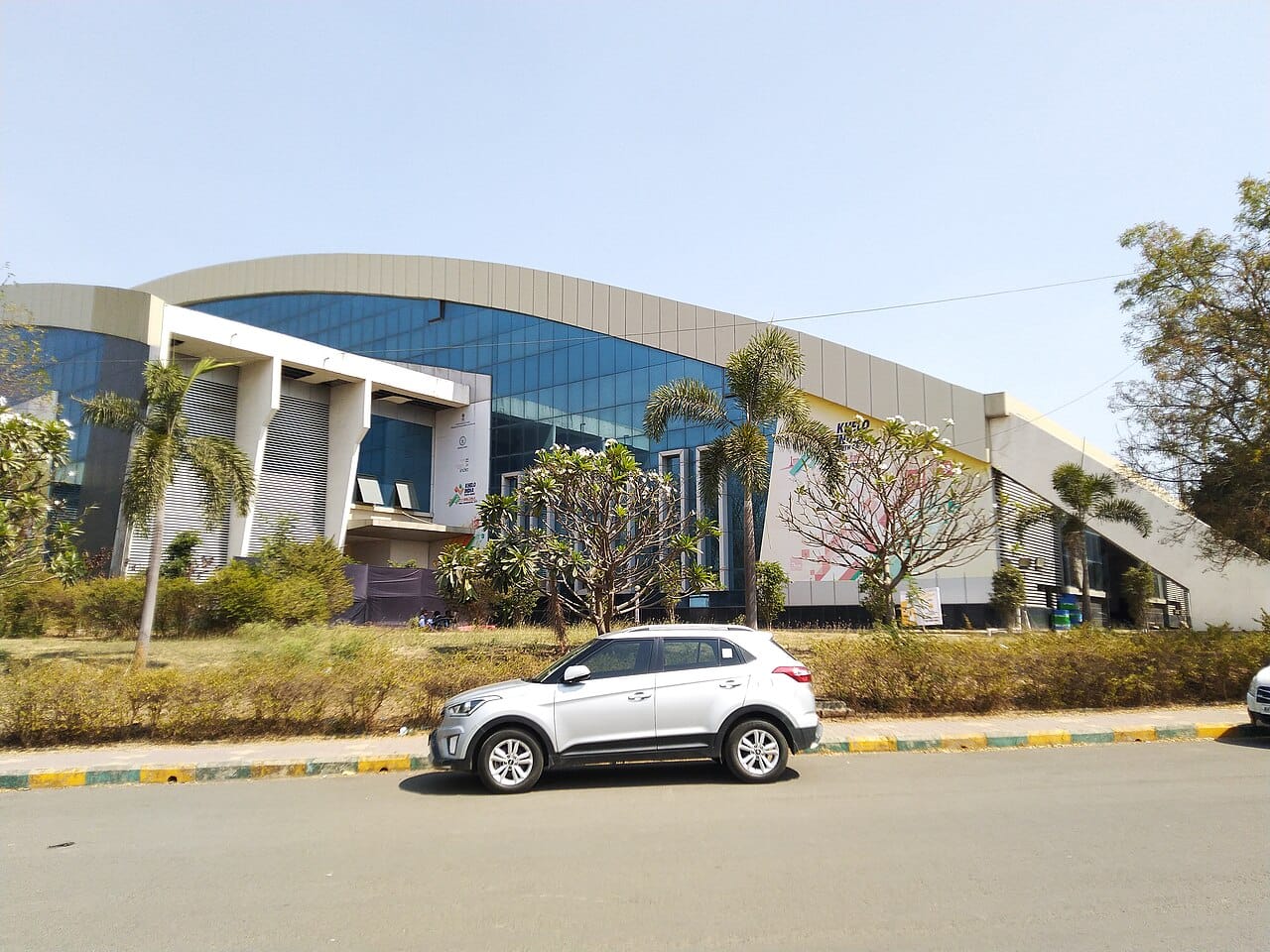
She said stadiums are being improved and hostels are being built for students.
A new laboratory has been set up, where every player will be assessed before competitions.
Explainer
What happened before
- Maharashtra has declared 310 of its 358 talukas drought-hit.
- The state has announced an advance relief of ₹5,000 for farmers.
Why it matters
Most local areas of the state are affected, and farmers depend on water, fodder and work to earn a living.
What to watch next
- Pawar did not give a timeline for when the Centre, meaning the central government, will provide assistance.