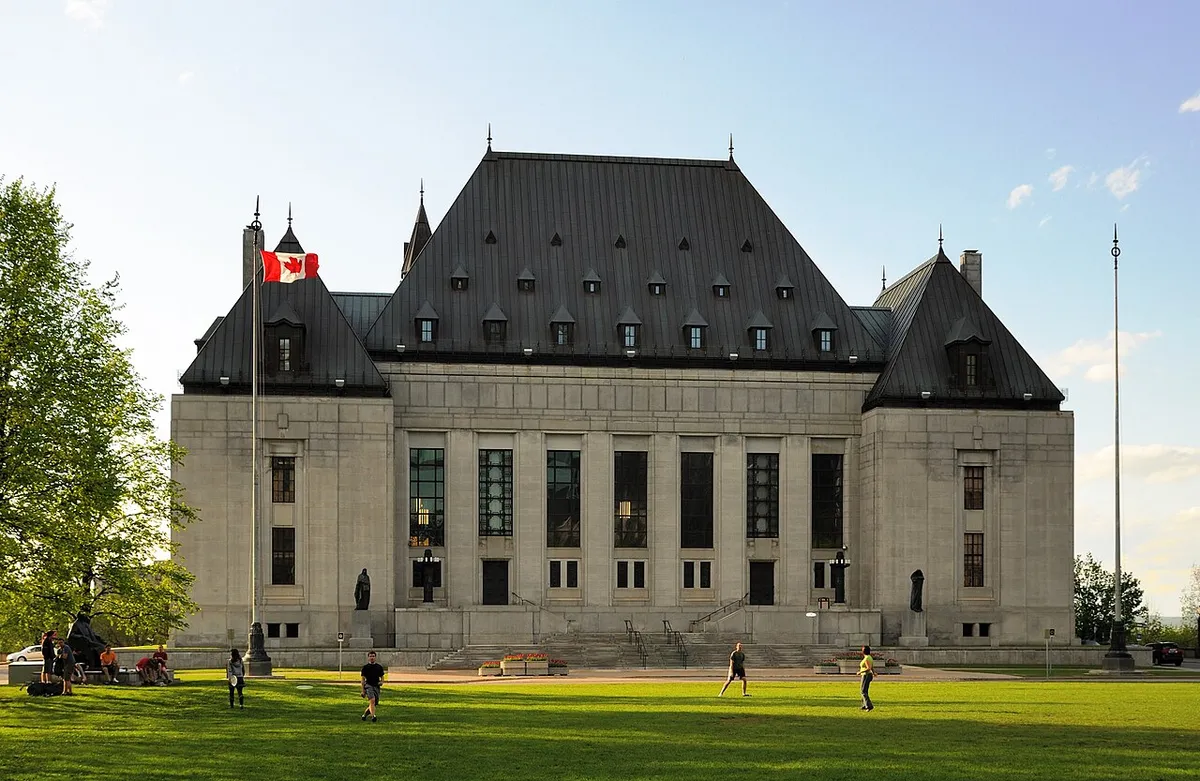
On Friday morning, Canada's Supreme Court released its decision on a law that many people have watched closely.
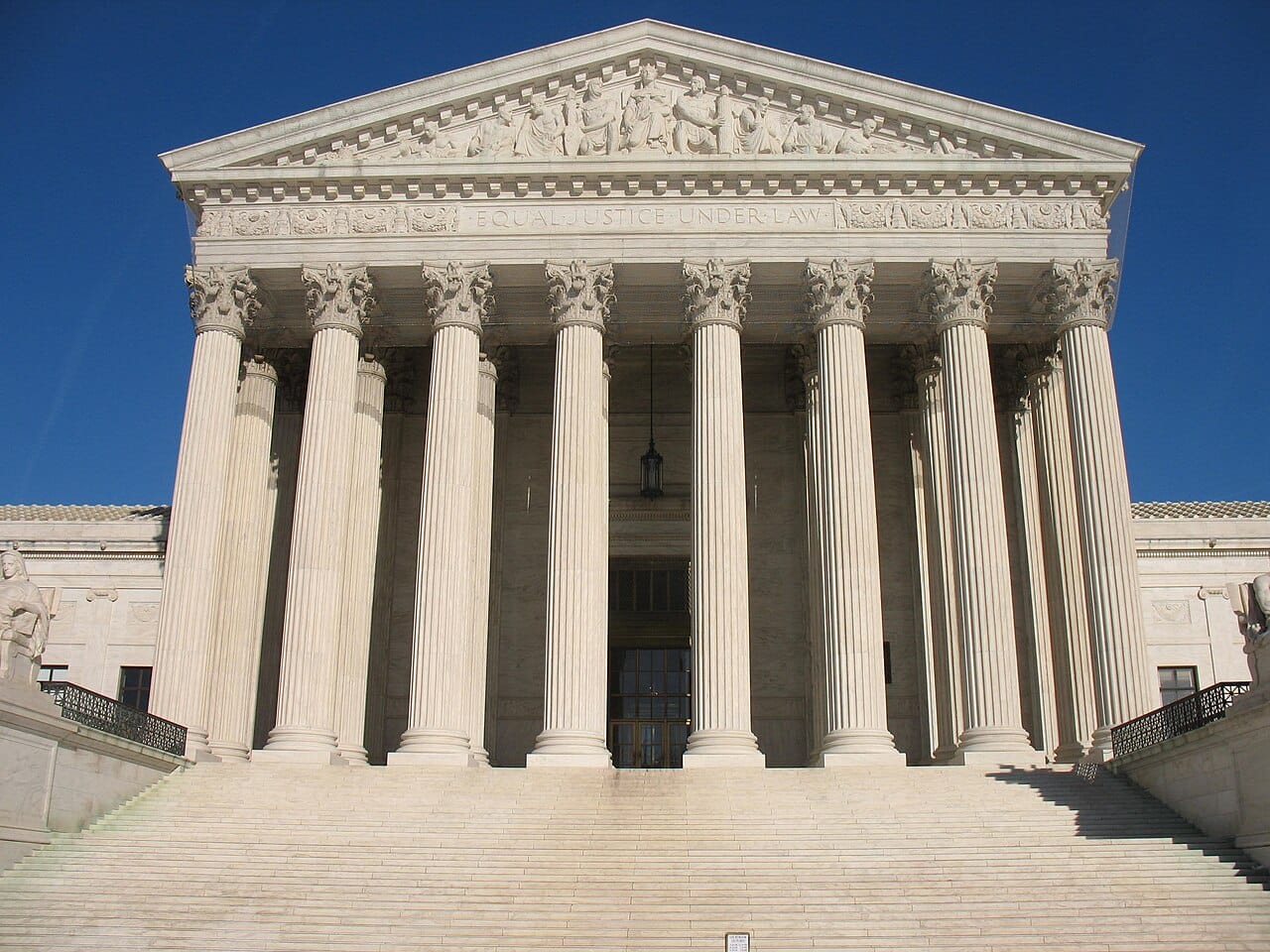
The ruling was 6-1, and six judges agreed with the main outcome.
The case was heard over four days earlier this year.
The court says it was one of the longest hearings in its 151-year history.
Graphic: News Anek, from the facts in this report
The court said Quebec could shield most of its law from challenges based on Canada's charter of rights.
The charter is the country's list of basic rights and freedoms.
Chief Justice Richard Wagner wrote that the law is rooted in Quebec's commitment to secularism.
Secularism means the state stays separate from religion.
Key points
- Canada's top court largely upheld Quebec's Bill 21 in a 6-1 ruling on Friday.
- The law bars some public sector workers, such as teachers and police, from wearing religious symbols at work.
- The court said the law cannot apply to sitting elected members of Quebec's provincial assembly.
- The court left open whether the law breaks some charter rights, so other courts may decide later.
So what does Bill 21 actually do?
Bill 21 stops some public sector workers from wearing religious symbols while they are on the job.
This includes lawyers, judges, police and teachers.
The banned symbols include a hijab, turban, kippah and cross. The law was passed in 2019.
Why is the notwithstanding clause so important?
The notwithstanding clause is a constitutional tool. It lets elected governments override certain rights in the charter.
Canada created it in the 1980s as part of a political compromise.
Lawmakers used this clause to help protect Bill 21 from court challenges. But not every right can be overridden.
Voting rights and language rights are protected.
The clause can only be used for five years. Before a government renews it, it must first face voters.
What happens next, and who is reacting?
The court did not decide whether the law breaks certain charter rights.
That question is left open, so other Canadian courts can take it up in future cases.
The court also found that the law cannot apply to sitting elected members of Quebec's National Assembly.
The court said that would affect their democratic rights.
Some people in Quebec welcomed the ruling. Religious civil liberties groups criticised it.
Stephen Brown, chief executive of the National Council of Canadian Muslims, said that people cannot live as free citizens if governments can remove minority rights to win popular support.
Canada's prime minister also said governments must respect all Canadians' rights and liberties.
For readers in India, this case shows how courts balance faith, work rules and basic rights.
It is a question many countries face.
Sources
- The Guardian: Canada’s top court upholds Quebec law barring public sector workers from wearing religious symbols
- Radio-Canada: Quebec Premier St-Pierre Plamondon speaks after Supreme Court largely upholds province’s secularism law
- AOL: What to know about the Supreme Court decision on Quebec's secularism bill