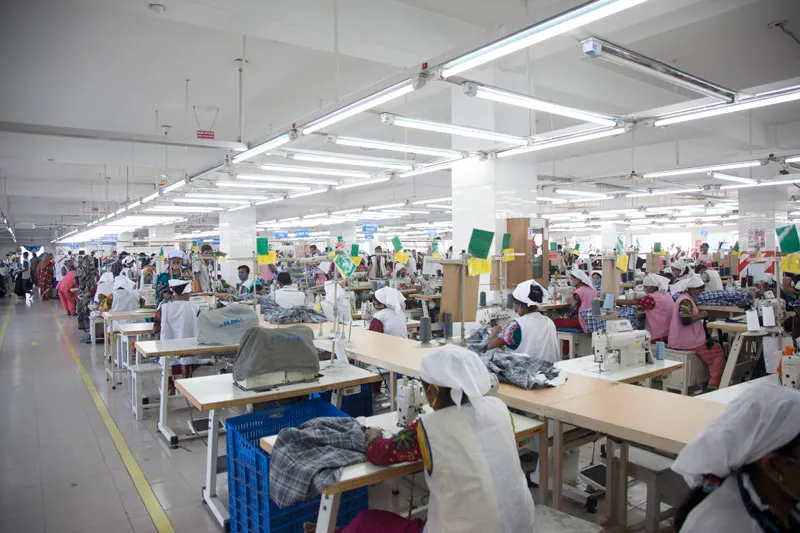
Global fashion brands have moved a large part of their orders away from Bangladesh.
Zara, H&M, Marks & Spencer and Celio are among them.
Between November 1 and 18, these brands shifted orders worth about $254 million.
That is nearly 10 percent of their monthly orders from Bangladesh. India received the largest share.
Why does this matter? Bangladesh's garment sector earns more than 80 percent of the country's export income.
It also provides nearly 40 percent of manufacturing jobs.
Key points
- Brands moved about $254 million in orders from Bangladesh between November 1 and 18.
- India received the largest share. Vietnam, Cambodia and Indonesia also gained some orders.
- Bangladesh's garment industry reports more than $400 million in production losses.
- A 36 percent minimum wage rise was approved, but many workers say it is still too low.
So why are brands moving their orders?
Labour protests and factory shutdowns have disrupted production in Bangladesh.
Power cuts and higher energy costs have added to the problem.
Rising wages and raw material prices are also adding pressure.
M. Mohiuddin Chowdhury, a director of the Bangladesh Garment Manufacturers and Exporters Association (BGMEA), said wage increases have added to costs.
Buyers want lower prices, and competition from other countries is growing.
What does this mean for India?
So far, India is the biggest winner of this shift. Indian garment makers received the largest share of the redirected orders.
Shares of some Indian textile companies rose after the news.
Gokaldas Exports rose as much as 11 percent, and Trident gained about 5 percent.
For garment factories and workers in India, more orders can mean steadier work.
What happens next for Bangladesh's garment workers?
A government-appointed minimum wage board approved a rise of about 36 percent.
The monthly minimum will go from 12,500 taka to 17,000 taka. Taka is Bangladesh's currency.
Workers had asked for 30,000 taka. The increase was the smallest in four decades, and it led to fresh clashes with police.
taka
Graphic: News Anek, from the facts in this report
Abdur Rahman Tarafder, secretary of Bangladesh's Ministry of Labour and Employment, called the increase satisfactory.
He hopes workers will resume work from Saturday. Trade unions say the new wages are still low by international standards.