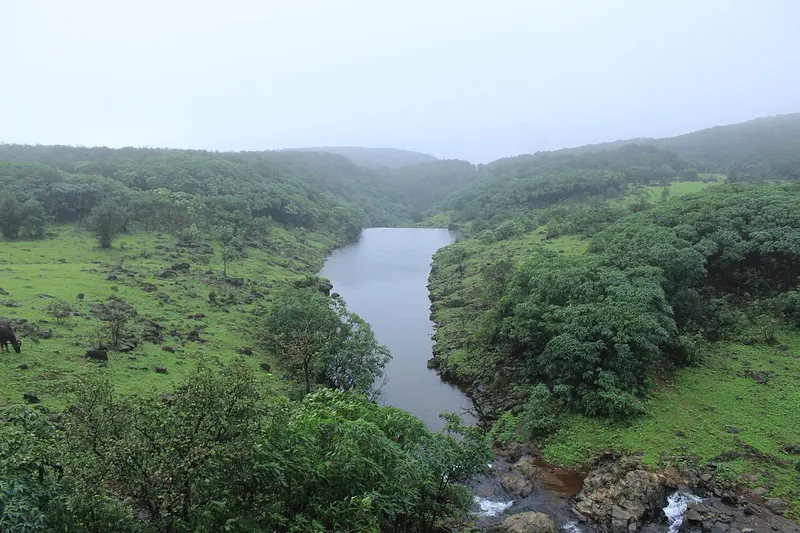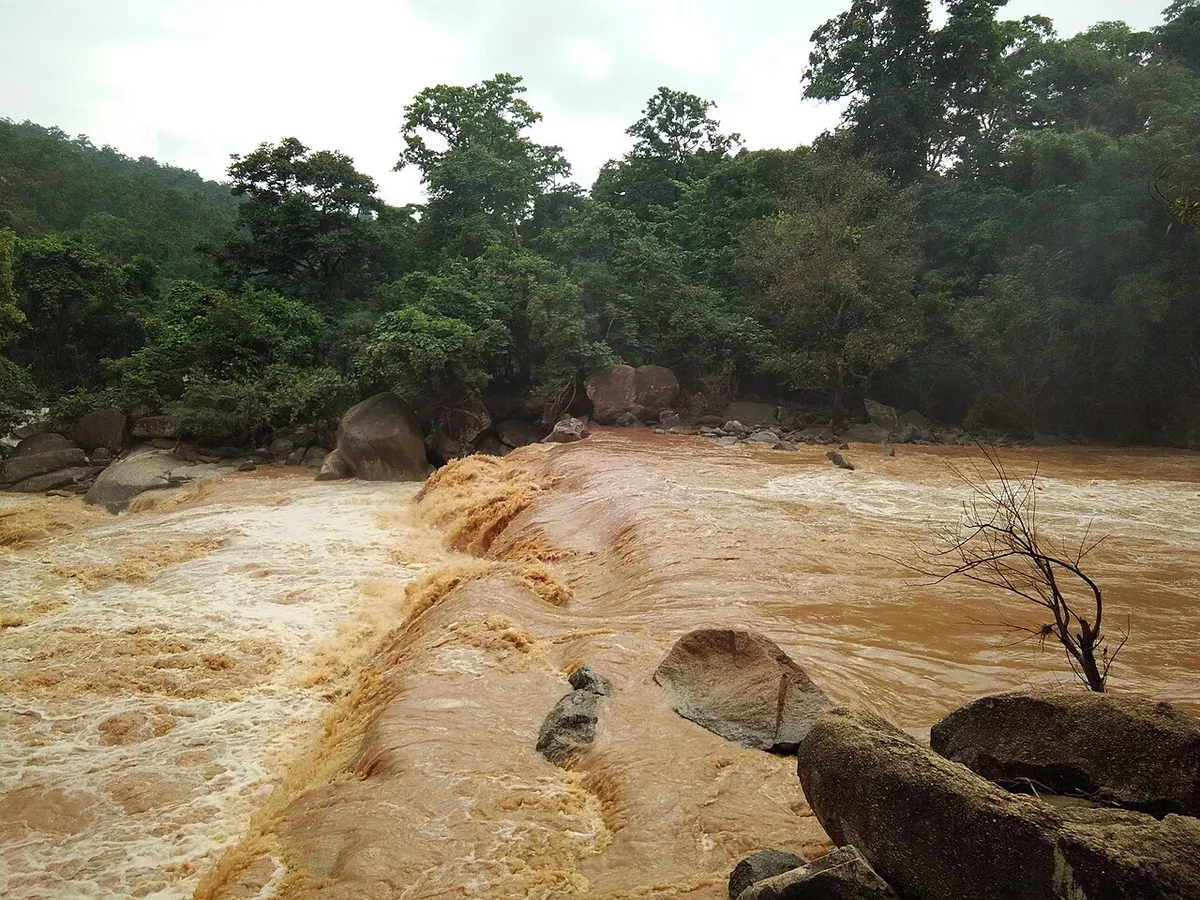
Chhattisgarh has a new irrigation system that runs on river water alone.
It needs no electricity, diesel, petrol or solar power.
The project is in Pongro village, in Jashpur district. It draws water from the Ghughri River and sends it to farm fields.
Chief Minister Vishnu Deo Sai visited the site to inspect it.
Officials describe it as the first innovative irrigation project of its kind in Jashpur district.
The government sees it as a practical step for rural areas.
Key points
- The pump runs on the flow of river water, with no electricity, diesel, petrol or solar power.
- The project is in Pongro village, Jashpur district, on the Ghughri River.
- It cost Rs 2.68 crore and covers about 80 acres of farmland.
- Around 135 farming families can now grow winter and summer crops, not just monsoon crops.
How does a system run without any fuel?
The project was built 100 metres downstream from an existing anicut.
An anicut is a small barrier built across a river to hold back water.
The moving river water turns a mechanical turbine pump.
This is what the project calls its natural kinetic energy, meaning the energy of moving water.
The turbine lifts water up to 12 metres high.
It then carries the water 200 metres to an elevated tank, at 17 litres every second.
From the tank, concrete canals send water into the fields. The system produces zero carbon emissions.
- 1Water held backThe project sits 100 metres downstream from an existing anicut, a small barrier across the river.
- 2Turbine turnsThe moving river water turns a mechanical turbine pump, using its natural kinetic energy.
- 3Water liftedThe turbine lifts water up to 12 metres high.
- 4Carried to tankWater is carried 200 metres to an elevated tank at 17 litres every second.
- 5Reaches fieldsConcrete canals carry water from the tank into the fields.
Graphic: News Anek, from the facts in this report
So why does this matter for farmers?
The project covers roughly 80 acres and directly helps around 135 local farming families.
Before this, many farmers depended mainly on seasonal monsoon rains.
With a steady water supply, farmers can plant both Rabi crops, which are winter crops, and summer crops.
Rabi is the name for the winter sowing season.
The Chief Minister said that combining modern science with local natural resources offers a long-term, eco-friendly solution.
He said it can significantly cut farming costs.
Experts say the scheme sets a green benchmark for Chhattisgarh.
Explainer
What happened before
- The Ghughri River in Jashpur district already has an existing anicut, a small barrier built across the river.
- Before this project, many farmers relied mostly on seasonal monsoon rains for their crops.
Why it matters
It shows a way to water fields without fuel or power bills, which matters for farming families in rural India.
What to watch next
- The government says it will keep pushing practical innovation to boost rural prosperity.