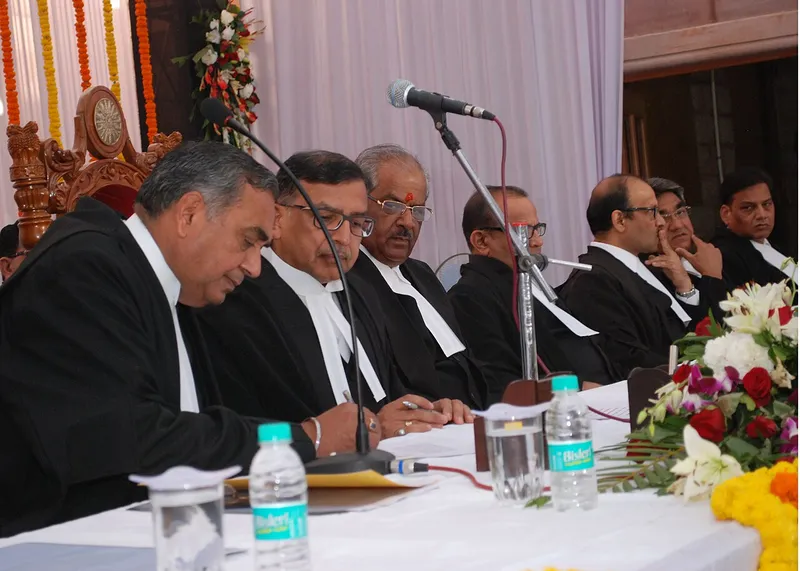
The Supreme Court of India has taken a strict stand on online fraud, especially "digital arrest" scams.
In these scams, fraudsters pose as officers of the police, the CBI or other government agencies.
They call people, threaten them with arrest and take their money.
The court has said that about 800 crore rupees have been lost this way in 2026.
This loss has come even though cyber crime cases were said to have fallen by about 50 percent in the country.
Key points
- The Supreme Court is asking WhatsApp and other digital companies for their plans to stop digital arrest fraud.
- WhatsApp says it has acted against about 9,400 accounts linked to such fraud.
- The court wants banks to take responsibility and compensate customers if their negligence causes loss.
- The next hearing in the case is on 23 November 2026.
So what did WhatsApp tell the court?
WhatsApp told the court that it has taken strict action against about 9,400 accounts linked to fraud.
Graphic: News Anek, from the facts in this report
The company is also building software. This software can spot suspicious accounts and warn users.
The court has asked all digital companies to share their plans with the Indian Cyber Crime Coordination Centre (I4C).
It has also asked for full details of the steps taken so far.
So how much responsibility do banks have?
The court said that if an investigation shows a bank failed in its duty, the bank should compensate the customer.
This applies when the customer lost money because of the bank's negligence.
The court also suggested that banks check large sudden transfers that do not match a customer's past activity.
Such transactions could be held for a short time, and police could be informed.
The court has asked the RBI to frame rules that fix bank responsibility.
It has also asked the RBI for a list of authorised financial institutions.
What happens next in this case?
The court has directed police agencies in all states and union territories.
They must share the FIRs and investigation details in digital arrest cases.
They must also explain steps to stop such fraud, identify criminals and secure punishment.
The next hearing in the case is on 23 November 2026. For many families, one phone call can drain savings in minutes.
The court's focus is on stopping the money before it leaves the account.