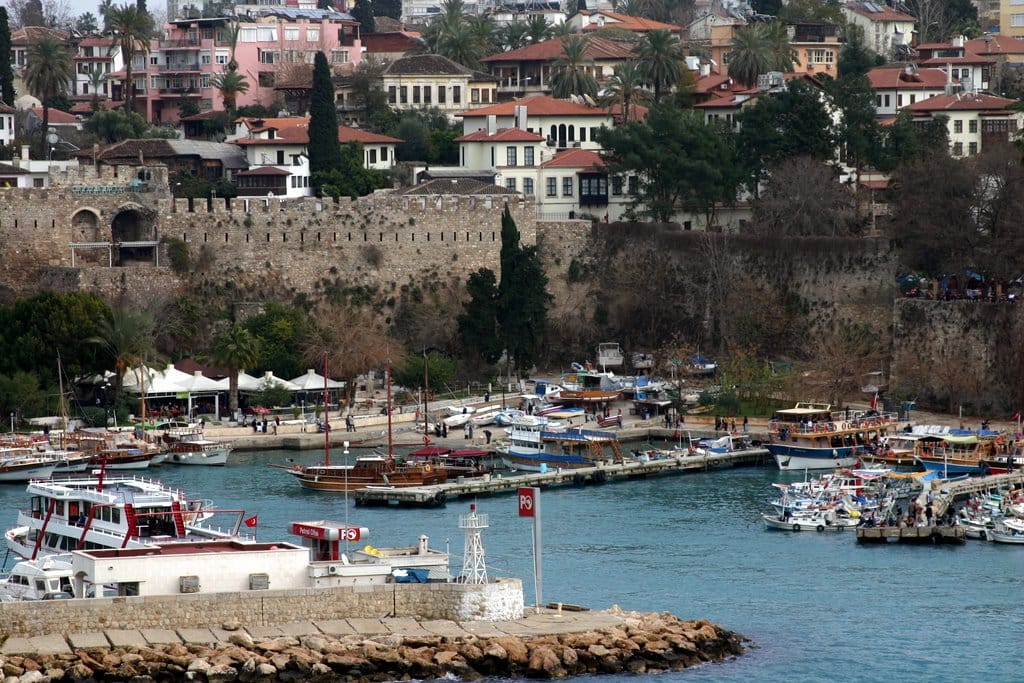
The United Nations climate summit, called COP31, opens in Antalya, Turkey, on November 9.
COP is the yearly UN meeting where countries discuss how to tackle climate change.
This year, the focus is not on new targets.
Turkey, the host, wants countries to carry out the promises they have already made.
Australia runs the main negotiations.
Turkey's government controls a separate programme of voluntary action, called the action agenda.
Key points
- Turkey wants electrification and recycling at the centre of the talks.
- Its "35 by 35" target aims for electricity to make up 35 percent of global energy demand by 2035.
- Campaigners say coal use and plastic waste imports remain major gaps.
- Brazil's President Lula da Silva will attend the summit.
So what is Turkey pushing for?
Turkey's main idea is electrification.
This means replacing fossil fuels with electricity for heating, transport and factories.
Its flagship goal is the "35 by 35" target. It is not legally binding, so countries cannot be forced to meet it.
On November 5, Energy Minister Alparslan Bayraktar unveiled a US$500 billion roadmap.
It aims to expand wind and solar capacity fourfold, to 175 gigawatts.
Graphic: News Anek, from the facts in this report
Murat Kurum is COP31 president and Turkey's environment minister.
He said on November 5 that energy you import is energy you do not control. He argues that electrification is the answer.
Why are campaigners not fully convinced?
Campaigners say about a third of Turkey's electricity still comes from coal. The country has no date to phase it out.
Plans also continue to expand two existing coal plants.
Emel Turker Alpay, an energy campaigner at Greenpeace Turkey, says electricity must come from clean sources to help the climate.
Critics also say recycling alone will not cut emissions. Turkey keeps importing plastic waste from Europe.
Bayraktar has said leaving coal would depend on growing nuclear power.
Turkey's first nuclear plant is due to come online by the end of 2026.
What about the US and Brazil, and how does it affect you?
In the US midterm elections, Democrats won both chambers of Congress.
Clean-energy tax credits are set to expire in 2027, and the new Congress may try to extend them.
However, President Trump has threatened a veto. So the extension is not certain yet.
Brazil's President Lula da Silva, recently re-elected, will attend.
Brazil is closing its year leading the UN climate process with roadmaps to move away from fossil fuels and halt deforestation.
For ordinary families, power and fuel prices matter.
In the US election, voters were angry about rising gasoline and electricity prices.
The talks in Antalya will shape how countries plan their energy, and that can touch household bills over time.