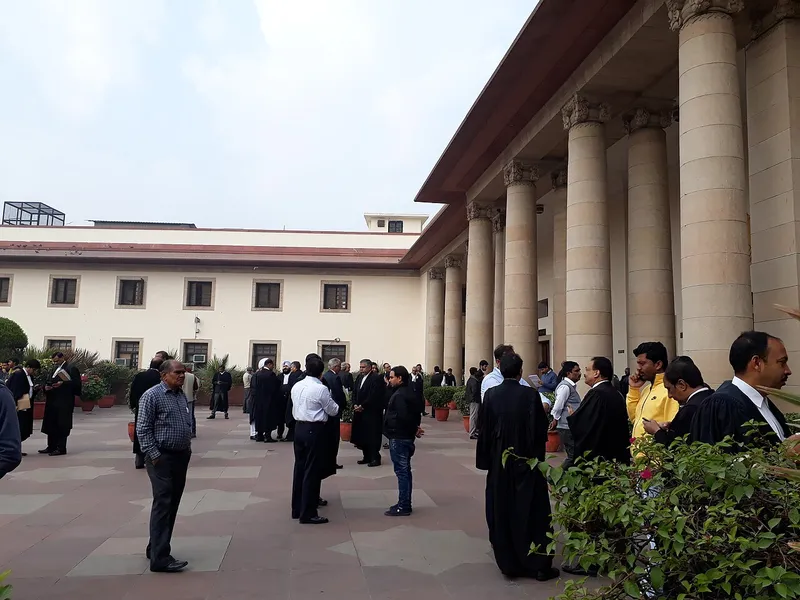
Diwali was celebrated across India on Sunday, November 8.
In New Delhi, many people burst firecrackers that evening, even though there are restrictions on fireworks.
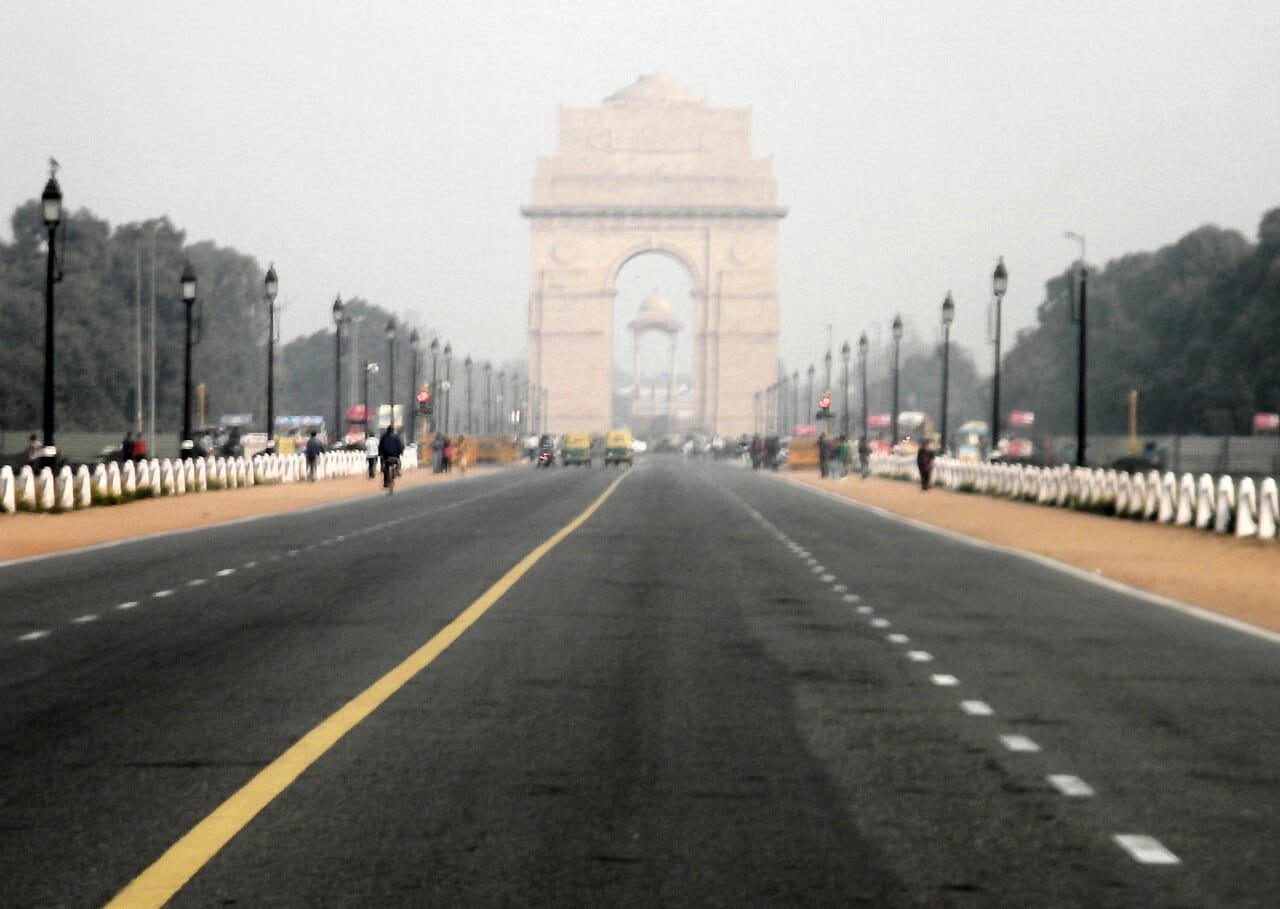
By early Monday, a thick smog covered the capital. The Air Quality Index (AQI) went above 350 in several parts of the city.
- OctoberSupreme Court allows only approved "green firecrackers" under set conditions
- Sunday, November 8Diwali is celebrated; many people in New Delhi burst firecrackers that evening
- Early MondayThick smog covers the capital; AQI goes above 350 in several parts of the city
Graphic: News Anek, from the facts in this report
This is in the severe category, which poses significant health risks.
The Air Quality Index is a scale that shows how dirty the air is. Higher numbers mean more polluted air.
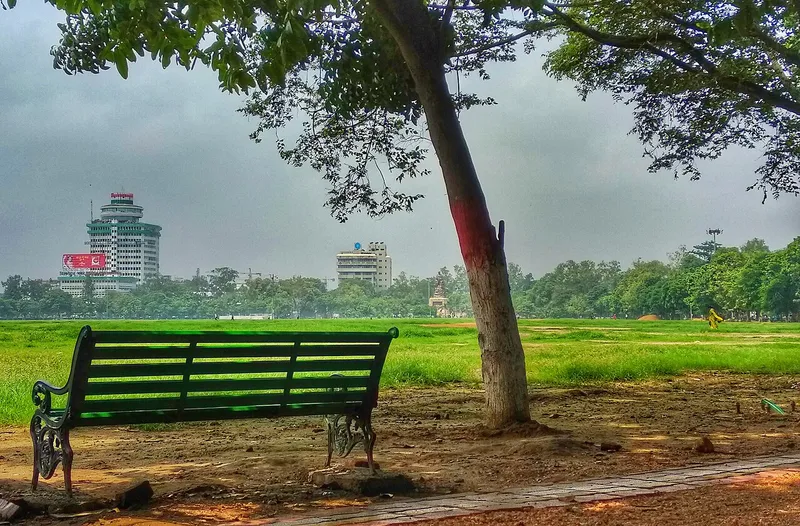
Visibility also dropped, as grey haze covered streets and high-rise buildings.
Key points
- Firecrackers were burst in New Delhi on Sunday evening, despite restrictions.
- The AQI went above 350 on Monday morning, in the severe category.
- Grey haze reduced visibility over streets and high-rise buildings.
- Smoke from crop fires, cool weather and low winds trap pollution.
Why didn't the rules stop the firecrackers?
In October, the Supreme Court tried to limit Diwali pollution.
It allowed only approved "green firecrackers" under set conditions, for three-hour windows on Saturday and Sunday.
Green firecrackers produce fewer emissions. But they are not pollution-free.
They still release fine particles and other pollutants into the air.
Why does Delhi's air get so bad every winter?
New Delhi and its metro region are home to more than 30 million people.
The city often ranks among the most polluted places in the world during winter.
After harvesting rice, farmers often burn leftover stalks to clear their fields.
The smoke drifts toward Delhi from neighbouring Punjab and Haryana.
Late October and November bring cooler temperatures and low winds.
These conditions stop pollutants from spreading out, so the haze can stay for days.
What is being done, and what comes next?
Delhi authorities have set limits on construction activity. They have also restricted diesel generators.
Courts have also sought limits on firecrackers.
But these steps have not stopped severe pollution from returning each year.
Environmentalists say the city needs long-term solutions.
These include cleaner energy and stricter controls on vehicle emissions.