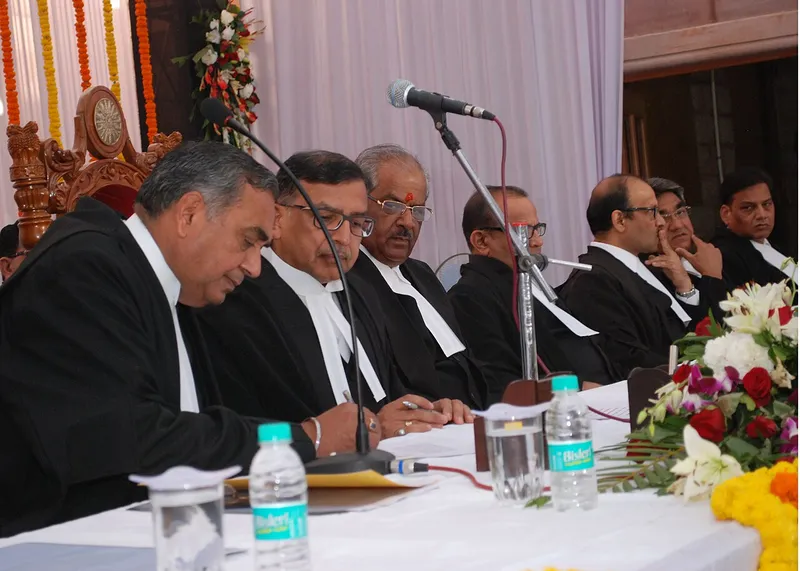
The United Nations climate conference, COP31, has opened in Antalya, Türkiye. It runs from November 9 to November 20.
The biggest question is money. Who should pay for climate action, and how much do poorer countries need?
Key points
- The talks run in Antalya, Türkiye, from November 9 to November 20.
- About 200 countries are part of the UN climate process.
- A roadmap led by Brazil suggests $1.27 to $1.41 trillion a year by 2035 for developing countries.
- India wants climate finance that is predictable, affordable and considers past emissions.
So why is climate money such a big issue?
Climate finance is money used to cut greenhouse gas emissions and handle climate change.
It pays for solar and wind power, strong infrastructure, and protection from rising sea levels.
Poorer countries face the greatest risks, but they have added far less to past emissions.
Extreme weather is becoming more frequent and severe, so the need keeps growing.
One trillion dollars is a thousand billion dollars.
At COP29 in Baku in 2024, countries agreed to raise yearly support for developing nations from $100 billion to $300 billion by 2035.
They also agreed to work towards $1.3 trillion a year from public and private sources.
Graphic: News Anek, from the facts in this report
Where could all this money come from?
A roadmap from Brazil's COP30 presidency suggests $1.27 to $1.41 trillion a year by 2035 for developing countries.
It is not binding, so it only offers options.
It lists six possible sources.
These include taxes on large fortunes, fossil fuels, financial transactions, cryptocurrencies, airline travel and shipping.
For India, the debate is important.
The country must cut emissions while meeting rising energy demand and protecting vulnerable communities.
What happens next in Antalya?
A key item is the Belem-to-Antalya Mechanism, or BAM.
It is a just transition plan to protect workers and communities that depend on fossil fuel industries.
Draft proposals came from talks in Bonn in June. The final framework is expected to be decided in Antalya.
A UN Environment Programme report from October said the chance to limit warming to 1.5 degrees Celsius has largely been lost.
Quick action could still bring warming back toward that level by the end of the century.