On Sunday, November 8, 2026, India's two main stock indices closed slightly lower.
The BSE Sensex fell 28.62 points to 80,999.40. The NSE Nifty 50 dropped 43.95 points to 24,986.40, slipping below 25,000.
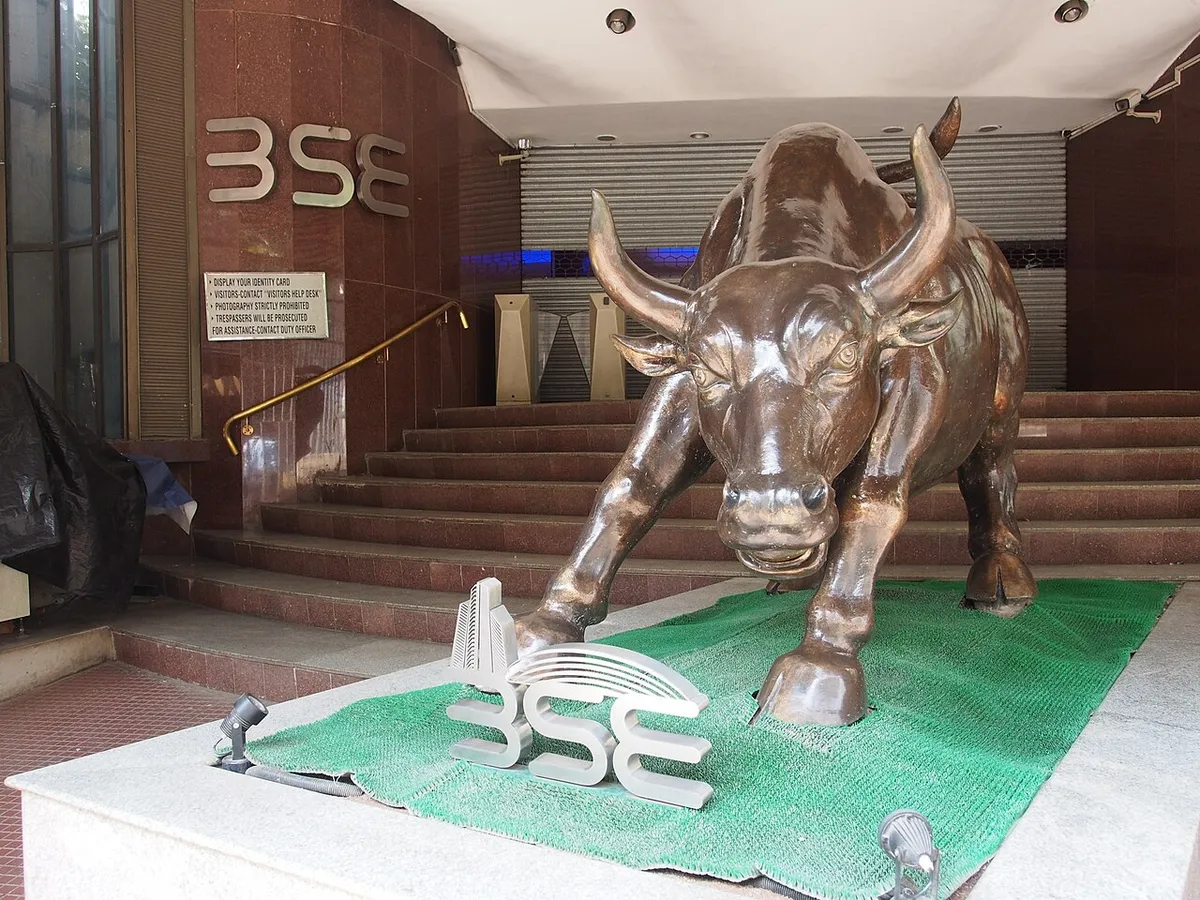
The BSE and NSE are the two big stock exchanges in India. The Sensex tracks 30 large companies. The Nifty tracks 50.
The session was Muhurat Trading, held on Diwali. Muhurat means an auspicious hour.
Many investors believe trading in this hour brings good fortune.
It also marks the start of Samvat 2083, the new Hindu financial year. The session is very short.
This year it ran from 2:20 pm to 3:30 pm.
Key points
- The Sensex fell 28.62 points to 80,999.40 in the Muhurat session.
- The Nifty fell 43.95 points to 24,986.40, below 25,000.
- It was the first Muhurat session to end lower since 2017.
- The regular market's seven-session winning streak also ended.
So why does this fall stand out?
The Muhurat session had closed higher for eight years in a row. Sunday's fall ended that run.
Separately, the regular market had risen for seven sessions until Friday, November 6. Sunday's fall ended that streak too.
In the week from October 30 to November 6, the Sensex rose 8.82 per cent.
That was its strongest weekly gain since February 2021.
What is weighing on the market?
Tension in the Middle East, especially between the US and Iran, has kept global markets nervous through 2026.
It has also pushed up crude oil prices.
Brent crude started 2026 near $61 per barrel. In early November, it was still around $107.
India imports more than 80 per cent of its crude oil.
Costlier oil can push up inflation, which means everyday prices rise.
Foreign institutional investors, or FIIs, sold about ₹4 lakh crore of Indian shares in 2026.
Graphic: News Anek, from the facts in this report
That is the sixth straight year of net selling by them.
Some of this money moved to artificial intelligence hubs in the US, Taiwan and South Korea.
What should investors watch next?
Sandeep Daga, Founder and Chief Investment Officer of Nine Rivers Capital, said the recent rally should not be mistaken for a lasting uptrend.
He said inflation remains a key concern for the Reserve Bank of India, or RBI.
Interest rates are rising, and small-cap stocks could swing sharply.
If you hold shares or mutual funds, a 0.04 per cent dip is very small. One session tells only a small part of the story.
Exam Corner
UPSC GS Paper 3 · Economy: Stock market and crude oil
What's the news
On November 8, 2026, the Sensex and Nifty closed slightly lower during the Muhurat Trading session held on Diwali.
Background
- Muhurat Trading is a short, symbolic session held on Diwali to mark the start of the new Hindu financial year.
- India imports more than 80% of its crude oil, so higher oil prices can raise inflation and widen the trade deficit.
- FIIs sold about Rs 4 lakh crore of Indian equities in 2026, the sixth consecutive year of net outflows.
Facts for Prelims
- The Sensex is the benchmark index of 30 shares on the BSE.
- The Nifty 50 is the benchmark index of 50 shares on the NSE.
- Brent crude peaked at $138.21 per barrel on April 7, 2026.
Content for Mains
- Significance: Stock indices reflect investor mood, corporate earnings and the wider health of the economy.
- Main issue: Middle East tensions and high crude oil prices are weighing on Indian markets and inflation.
- Challenges: Rising interest rates, persistent inflation and foreign selling make markets volatile and hard to predict.
- Way forward: Long-term domestic investment through SIPs and a focus on earnings and valuations can add stability.
Practice question: Discuss how global crude oil prices and foreign institutional investment affect India's stock market and wider economy.
Prelims practice questions
Q1. Which index tracks 30 shares listed on the BSE?
- Nifty 50
- Brent
- Sensex
- Samvat
Show answer
Answer: C. The article says the Sensex is the 30-share index of the BSE.
Q2. What share of its crude oil requirement does India import, according to the article?
- Less than 10%
- About 50%
- More than 80%
- None, it produces all of it
Show answer
Answer: C. The article states that India imports more than 80% of its crude oil requirements.
Key terms
- Muhurat Trading: A short special trading session held on Diwali, seen as auspicious for starting the new year.
- FII: Foreign institutional investor, a large overseas investor who buys and sells shares in another country.
- SIP: Systematic investment plan, a fixed amount invested in mutual funds at regular intervals.
More stories for exam preparation: UPSC Today
These points come from this news report. Check them with standard sources such as NCERT books and PIB before your exam.
Sources
- Mint: Muhurat Trading 2026: Samvat 2082 ends, Samvat 2083 begins - Sensex, Nifty end in red first time after 2017 | Reasons
- Zee Business: Closing Bell: Sensex, Nifty end in red on Muhurat Trading 2026, Snap 7-day winning streak
- India Today: Muhurat Trading 2026 Live: Sensex, Nifty open in green as Samvat 2083 begins