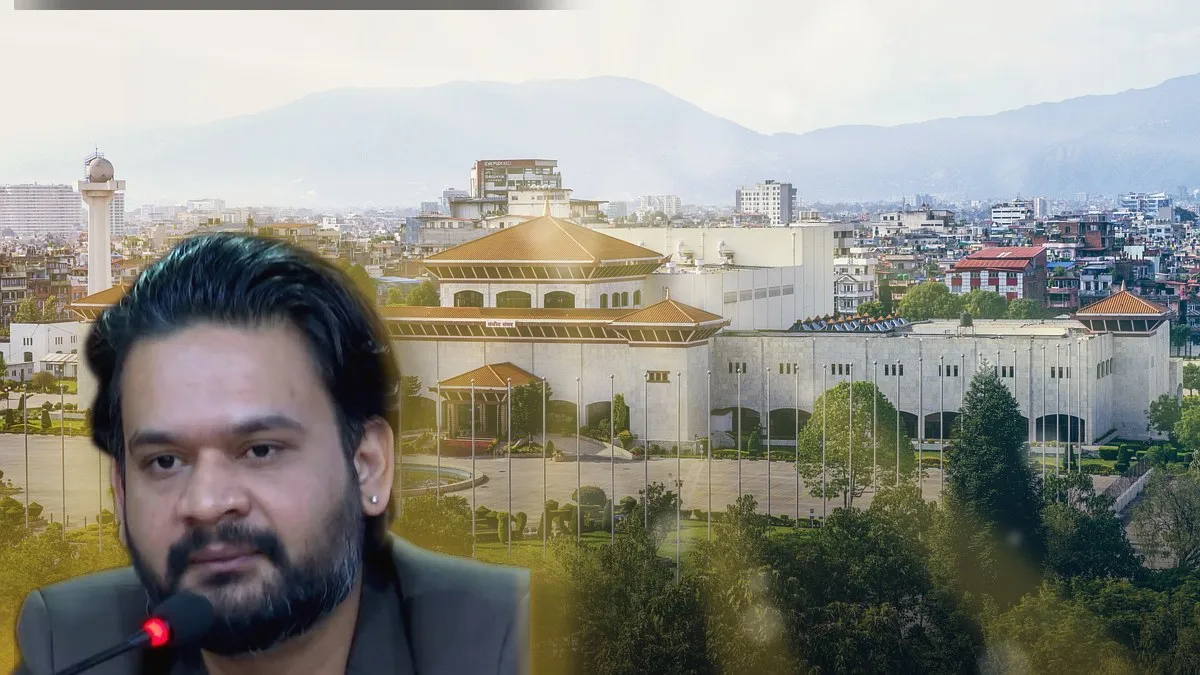
Nepal Prime Minister Balendra Shah will make a State visit to India from November 22 to 23.
He is coming at the invitation of Prime Minister Narendra Modi.
Nepal's Foreign Secretary, Amrit Bahadur Rai, announced the visit on Friday.
A 34-member government delegation led by Shah will travel from Kathmandu to New Delhi.
Graphic: News Anek, from the facts in this report
India and Nepal share centuries-old historical, cultural and geographical bonds.
Their ties rest on the 1950 Treaty of Peace and Friendship.
Key points
- Nepal PM Balendra Shah visits India from November 22 to 23.
- Talks with PM Narendra Modi are scheduled for Monday.
- The two leaders will jointly inaugurate energy projects.
- A 34-member government delegation is travelling with him.
What will the two leaders do on Monday?
Shah is scheduled to hold delegation-level talks with Modi on Monday.
After the talks, the two leaders will jointly inaugurate several energy projects.
Documents covering different areas of cooperation will also be signed and exchanged.
The two leaders will then address a joint press conference.
Modi will host a luncheon in honour of the visiting Nepali leader.
What else is on Shah's schedule in Delhi?
Shah will call on President Droupadi Murmu during his stay in the capital.
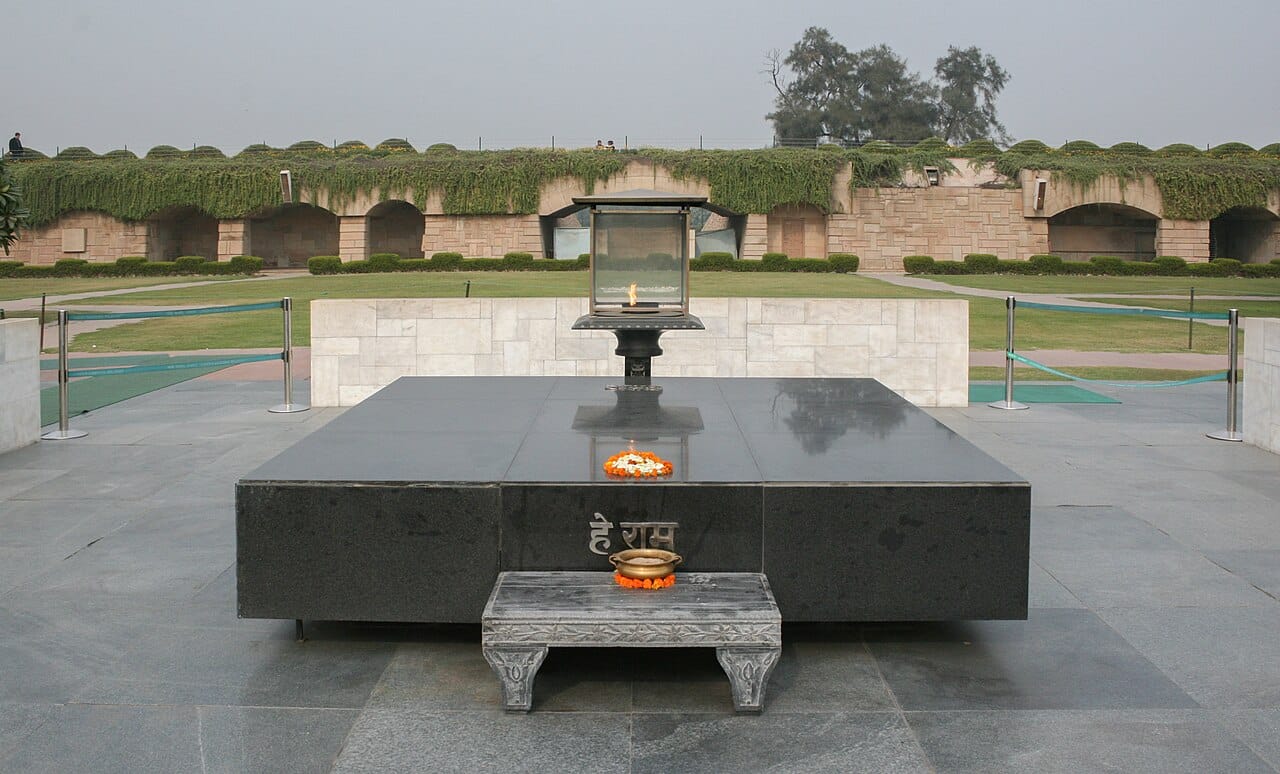
He will also pay tribute and lay a wreath at the Mahatma Gandhi memorial at Rajghat.
He will attend the Nepal-India Business Forum.
The forum aims to strengthen commercial and economic ties between the two countries.
What does this relationship mean for ordinary people?
The two countries share a 1,751-kilometre open border.
Their bond is often described by the saying Roti-Beti ka Rishta, which stands for shared livelihoods and family connections.
The relationship is now moving towards energy, economic and digital cooperation.
This shift comes under Nepal's new political leadership.
Explainer
What happened before
- India and Nepal ties are underpinned by the 1950 Treaty of Peace and Friendship.
- The two countries share a 1,751-kilometre open border.
- Nepal's new political leadership is now taking the relationship towards economic, energy and digital integration.
Why it matters
The visit shows how the two neighbours are moving towards closer energy and economic ties.
What to watch next
- The two Prime Ministers will hold talks on Monday, followed by a joint press conference.
Exam Corner
UPSC GS Paper 2 · IR: India-Nepal relations
What's the news
Nepal Prime Minister Balendra Shah will make a State visit to India from November 22 to 23 at PM Narendra Modi's invitation. He will hold talks with Modi and jointly inaugurate energy projects.
Background
- India and Nepal ties are underpinned by the 1950 Treaty of Peace and Friendship.
- The two countries share a 1,751-kilometre open border.
- The relationship is described by the adage Roti-Beti ka Rishta, meaning shared livelihoods and family ties.
Facts for Prelims
- The 1950 Treaty of Peace and Friendship underpins India-Nepal ties.
- The India-Nepal open border is 1,751 kilometres long.
- Amrit Bahadur Rai is Nepal's Foreign Secretary.
Content for Mains
- Significance: Energy cooperation can deepen economic ties between two close neighbours.
- Main issue: Balancing a long-standing relationship with a new political leadership in Nepal.
- Challenges: Moving from cultural bonds to pragmatic economic and digital integration.
- Way forward: Joint energy projects and business forums can help build trust and cooperation.
Practice question: Discuss how India-Nepal relations can move from historical and cultural bonds to economic, energy and digital cooperation.
Prelims practice questions
Q1. On which treaty are India-Nepal ties underpinned, according to the article?
- Treaty of Peace and Friendship of 1950
- Treaty of Amritsar of 1950
- Indo-Nepal Trade Treaty of 1960
- Panchsheel Agreement of 1954
Show answer
Answer: A. The article states the ties rest on the 1950 Treaty of Peace and Friendship.
Q2. What is the length of the open border between India and Nepal, as mentioned in the article?
- 1,051 kilometres
- 2,751 kilometres
- 1,751 kilometres
- 1,175 kilometres
Show answer
Answer: C. The article mentions a 1,751-kilometre open border.
Key terms
- State visit: An official visit by a head of government at the invitation of another country.
- Wreath: A circle of flowers laid as a mark of respect.
- Luncheon: A formal lunch hosted in honour of a visiting guest.
More stories for exam preparation: UPSC Today
These points come from this news report. Check them with standard sources such as NCERT books and PIB before your exam.