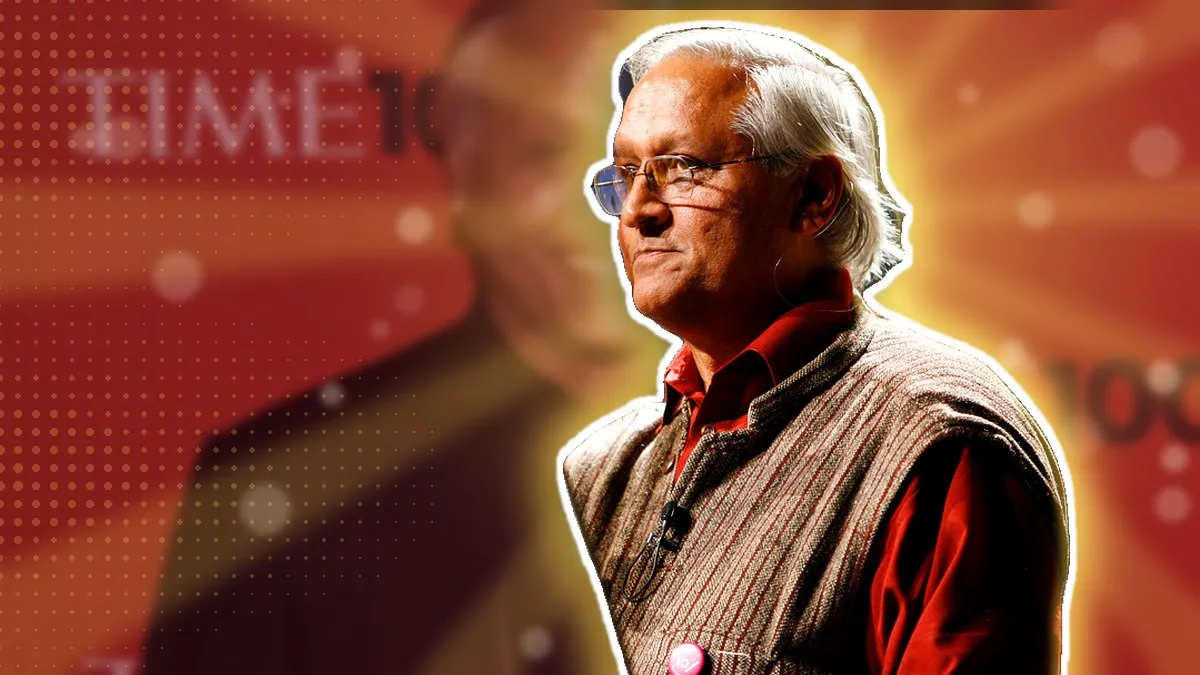
Social activist Sanjit "Bunker" Roy died on Tuesday in Tilonia, a village in Rajasthan's Ajmer district. He was 81.
Roy founded Barefoot College in Tilonia.
He spent most of his life in the village, which became known around the world for grassroots development.
He was born on June 30, 1945, in Burnpur, West Bengal.
He trained at Doon School in Dehradun and St Stephen's College in Delhi.
Key points
- Sanjit "Bunker" Roy, founder of Barefoot College, died on Tuesday at 81.
- He died in Tilonia, Rajasthan, where he spent most of his life.
- Barefoot College works on water, education, healthcare, livelihoods and renewable energy.
- Its best-known programme trained village women as solar engineers, called Solar Mamas.
So how did a small village become known around the world?
He chose village-level work over a conventional career and moved to Rajasthan.
In 1972, he set up the Social Work and Research Centre in Tilonia.
The centre tackled water and irrigation problems in drought-prone villages. Roy joined local people in digging wells.
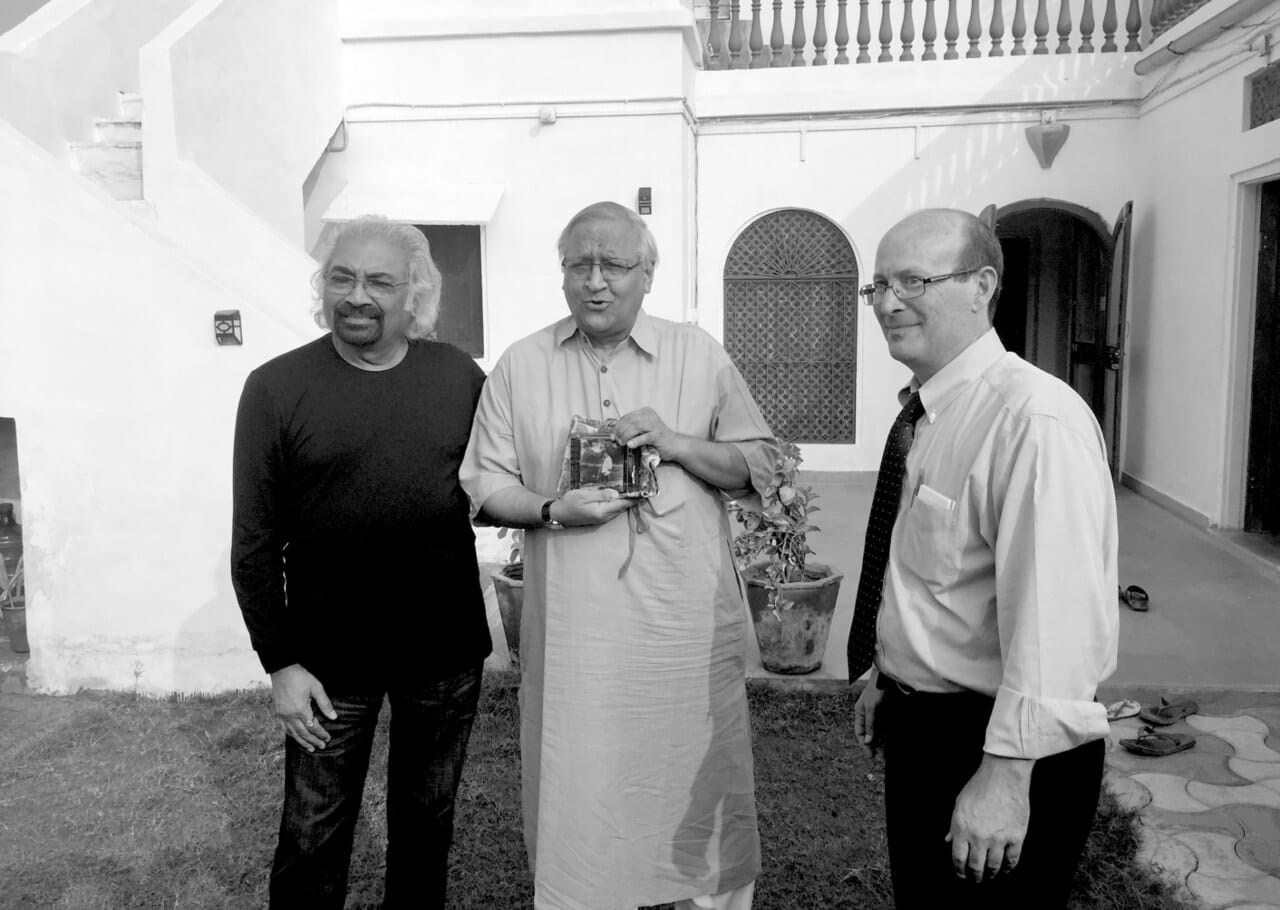
Over time, the centre grew into Barefoot College.
It covered education, healthcare, livelihoods, water conservation and renewable energy.
What was his core idea about solving village problems?
His approach placed rural communities, especially women, at the centre of problem-solving.
He believed villages did not need urban experts or formally trained professionals to tackle poverty and energy access.
The college's best-known programme trained women from remote villages as solar engineers.
Many of them were illiterate or semi-literate.
They learnt to assemble, install, repair and maintain solar lighting. Then they returned to electrify their own villages.
- 1Train women from remote villagesThe college trained women from remote villages, many of them illiterate or semi-literate.
- 2Learn to assemble solar lightingThe women learnt to assemble solar lighting systems.
- 3Install, repair and maintainThey learnt to install, repair and maintain solar lighting.
- 4Electrify their own villagesAfter training, they returned to electrify their own villages.
Graphic: News Anek, from the facts in this report
These women became known as Solar Mamas.
What does his death mean for the college?
The available information does not say who will lead Barefoot College now.
It also does not describe any plans for the college's future.
Roy's death closes a long chapter for Tilonia.
His work on water, solar power and village leadership remains the college's main legacy.
Explainer
What happened before
- In 1972, Roy set up the Social Work and Research Centre in Tilonia to tackle water and irrigation problems.
- The centre later became Barefoot College, covering education, healthcare, livelihoods, water conservation and renewable energy.
Why it matters
Roy showed that village communities, especially women, could find their own solutions to poverty and energy problems.
What to watch next
- The available information does not say who will lead the college now or what plans will follow.