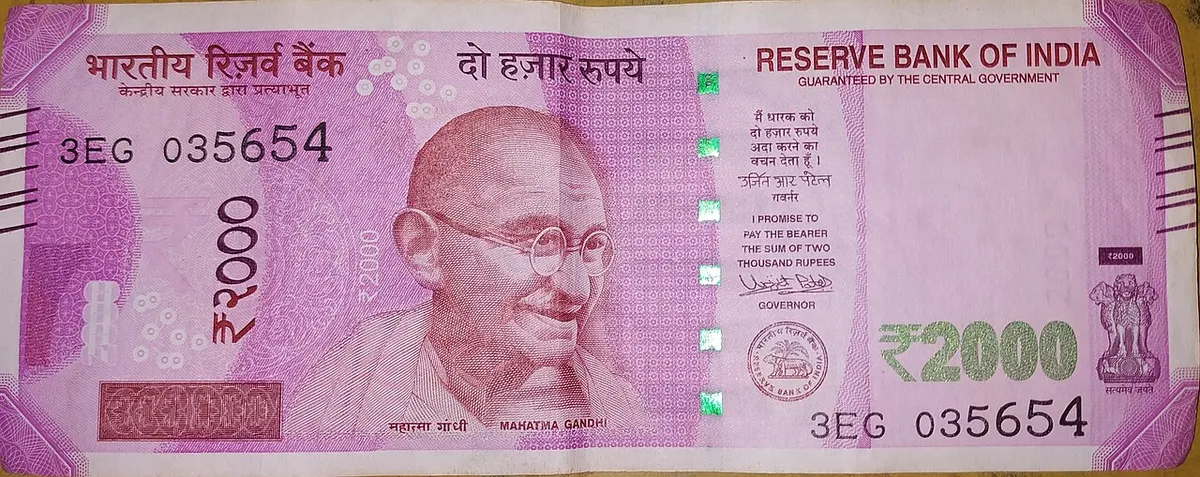
The Indian rupee has become stronger against the US dollar. On October 29, one dollar cost 95.26 rupees.
By November 9, it cost around 93.85 rupees.
That is a gain of nearly 1.5 per cent in less than two weeks. It comes after months of pressure on the rupee.
Why does this matter? A stronger rupee can make imports cheaper.
It can also lower the cost of studying abroad and foreign travel.
Key points
- The rupee rose from 95.26 to about 93.85 per dollar between October 29 and November 9.
- Lower crude oil prices and foreign investment have supported the currency.
- The Reserve Bank of India (RBI) has been managing volatility in the currency market.
- Analysts say the US election is only one part of the story.
So what pushed the rupee up?
The gain came after the US midterm elections. Donald Trump's Republican Party suffered political setbacks in those elections.
Reports say Trump also ruled out fresh military strikes against Iran.
That eased fears of a wider conflict in West Asia.
Brent crude, a global oil benchmark, fell from above $105 per barrel to $96.41 by November 9.
India imports much of its crude oil. So cheaper oil reduces the import bill and the demand for dollars. That helps the rupee.
Why is foreign money important here?
Foreign investors reportedly put more than $4 billion into Indian shares in the previous week.
Each dollar they bring in must be converted into rupees.
Data from the Clearing Corporation of India shows foreign holdings of Indian government securities rose by about ₹7,969 crore between November 2 and November 9.
The 10-year government bond yield also fell from 7.315 per cent to 7.178 per cent.
- Oct 29One US dollar cost 95.26 rupees before the rupee's recent gain.
- Nov 2 to Nov 9Foreign holdings of Indian government securities rose by about this amount.
- Nov 9One dollar cost around 93.85 rupees, a gain of nearly 1.5% in under two weeks.
Graphic: News Anek, from the facts in this report
A fall in yield means existing bonds become more valuable.
What happens next for the rupee?
The RBI has used foreign exchange measures to keep the currency steady.
These included changes to speculative positions in currency derivatives.
Markets are now watching whether the RBI will buy dollars if the rupee keeps gaining.
Analysts are also watching whether global conditions can last.
Any fresh tension in the Middle East or a disruption in oil shipments could reverse the trend.
Exam Corner
UPSC GS Paper 3 · Economy: Rupee and forex markets
What's the news
The Indian rupee gained against the US dollar between October 29 and November 9, after the US midterm elections. Lower crude oil prices and foreign investment helped the currency.
Background
- The Reserve Bank of India (RBI) intervened in foreign exchange markets to contain volatility during months of pressure on the rupee.
- India imports a large share of its crude oil, so falling oil prices reduce the import bill and the demand for dollars.
- Foreign portfolio investors bought Indian equities and government securities, which increases the supply of dollars in the market.
Facts for Prelims
- Reserve Bank of India (RBI) manages the currency through foreign exchange interventions.
- Fully Accessible Route (FAR) is used by foreign portfolio investors to hold government securities.
- Brent crude fell from above $105 per barrel to $96.41 per barrel in the period.
Content for Mains
- Significance: A stronger rupee can ease imported inflation and lower costs for overseas education and travel.
- Main issue: Currency gains depend on several factors, not only on one global political event.
- Challenges: Fresh Middle East tensions or oil supply disruption could quickly reverse the rupee's recovery.
- Way forward: Steady management by the RBI and stable foreign inflows can support the currency over time.
Practice question: Discuss the factors behind the recent recovery of the Indian rupee. What role should the RBI play in managing currency volatility?
Prelims practice questions
Q1. Which body intervened in foreign exchange markets to manage volatility in the rupee?
- Securities and Exchange Board of India
- Reserve Bank of India
- Ministry of Finance
- NITI Aayog
Show answer
Answer: B. The article states that the RBI intervened in foreign exchange markets to contain volatility.
Q2. What is the Fully Accessible Route (FAR) linked to in the article?
- Export subsidies for textile makers
- Bank deposit insurance
- Foreign portfolio investment in government securities
- Gold import licensing
Show answer
Answer: C. The article says foreign portfolio investor holdings in government securities rose under the FAR.
Key terms
- Forex intervention: When a central bank buys or sells currency to reduce sharp moves in its exchange rate.
- Brent crude: A global benchmark price for crude oil, used widely by importers and exporters.
- Bond yield: The return an investor earns on a government bond, which moves opposite to its price.
More stories for exam preparation: UPSC Today
These points come from this news report. Check them with standard sources such as NCERT books and PIB before your exam.