The Supreme Court on Friday criticised the Rajasthan government for what it called lethargy in tackling pollution in the Jojari, Bandi and Luni river system.
The court warned that it could start suo motu contempt proceedings against officials if they fail to act.
Suo motu means the court is acting on its own, without a petition from anyone.
Contempt proceedings are legal action against people who disobey or delay a court order.
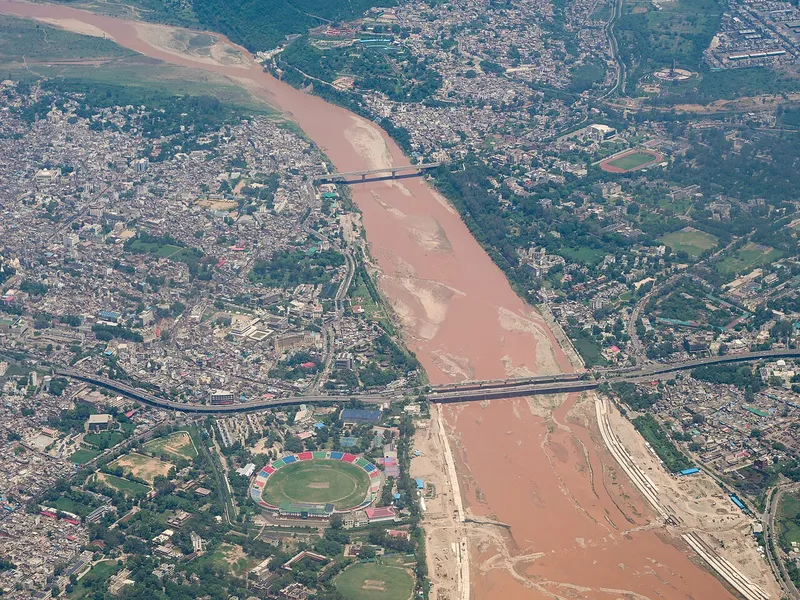
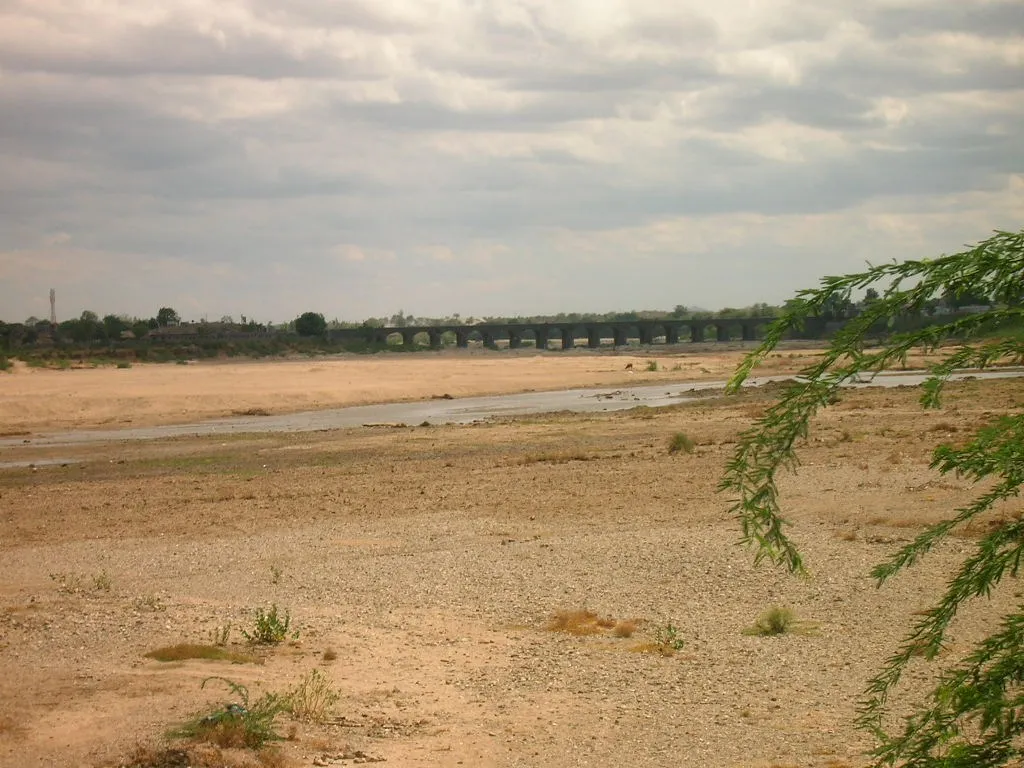
The three rivers flow through Jodhpur, Pali and Balotra. They meet near Balotra before moving on.
Key points
- The Supreme Court called Rajasthan's response to river pollution lethargic.
- The court warned that officials could face contempt action if they do not act.
- A special team is probing alleged illegal bajri mining near the rivers.
- The court wants a concrete action plan and has raised the drinking water shortage in Balotra.
So what did the bench tell the state?
A bench of Justices Vikram Nath and Sandeep Mehta expressed displeasure with the state's response.
It told Additional Solicitor General S V Raju, who appeared for Rajasthan, to advise the government properly.
The bench said officials should come out to the ground and work.
It said the court would not let the matter slide because of red-tapism or bureaucratic hurdles.
Red-tapism means excessive paperwork and delay.
The bench said that if the state did not wake up and act, the court would take action.
What is the court's order on industrial units?
The court's October 26 order stops Rajasthan from giving fresh permission for industrial units along or near the river ecosystem.
Graphic: News Anek, from the facts in this report
This restriction stays until the high flood line and buffer zones are scientifically decided.
The high flood line is the level water reaches in a major flood.
Buffer zones are protective areas kept between rivers and development.
The court also noted that in August it had asked Rajasthan to form an Integrated Coordination Group.
The chief secretary will head this group to ensure time-bound action.
What about illegal mining and drinking water?
The amicus curiae, senior advocate Balbir Singh, told the court that a special investigation team has been formed.
It is probing organised illegal bajri mining affecting the three rivers and their tributaries.
Some FIRs have been registered, according to the state's status report.
These are allegations, and the investigation is ongoing.
The court also raised concern about the acute drinking water shortage in Balotra.
It suggested a pipeline of about 100 kilometres from the Narmada canal to supply water to the region.
The bench said that if the central and state governments can do this, it would be a wonderful thing for the people of that area.
So what happens next? The state must show a clear action plan, or officers and the government may face consequences.
Explainer
What happened before
- On October 26, the Supreme Court restrained Rajasthan from granting fresh permissions for industrial units along or near the river ecosystem.
- The restraint stays until the high flood line and buffer zones are scientifically determined.
- In August, the court directed Rajasthan to form an Integrated Coordination Group headed by the chief secretary.
Why it matters
The three rivers are linked, and the court says polluted water and illegal mining are harming people living near them, including in Balotra, where drinking water is short.
What to watch next
- The state must produce a concrete action plan, or the court has warned that officers and the government could face consequences.