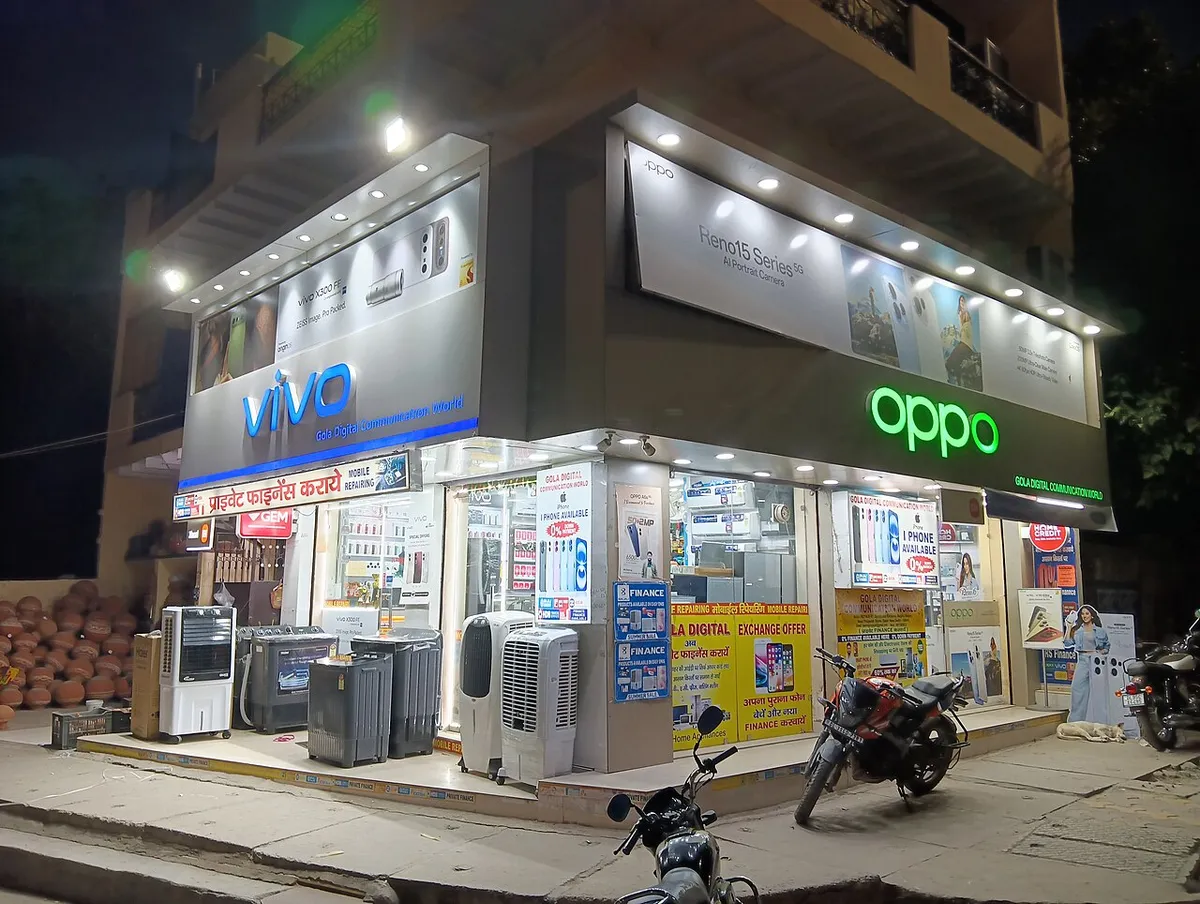
Vivo has started a teaser campaign for its upcoming X500 series in India.
The teaser says the camera-focused range is "Coming Soon." iamabiker reported this.
The teaser also shows the Vivo Watch GT 2 smartwatch.
It has a 2.07-inch AMOLED display and is rated for up to 33 days of battery life.
The watch may launch in India along with the phones.
The Indian lineup is expected to have three models. These are the Vivo X500, the Vivo X500 Pro, and the top-end X500 Pro Max.
The promotional images show the Pro Max in Sunset Orange.
Key points
- Vivo has teased its X500 series and Watch GT 2 for India.
- Three phones are expected, with the Pro Max as the top model.
- Indian prices are not confirmed, but they may be higher than in China.
- The series will compete with the Oppo Find X10 range.
So what makes the camera setup special?
Vivo is taking its camera partnership with ZEISS further. A key item is the ZEISS Telephoto Extender Gen 2 Ultra.
This is an external add-on lens. It provides up to 400mm of focal length.
It will be sold separately and works only with the Pro Max.
All phones in the line will run OriginOS 7, based on Android 17.
The phones also use MediaTek's Dimensity 9600 chip and have batteries of up to 8,000mAh.
Graphic: News Anek, from the facts in this report
What could the prices look like in India?
Vivo has not confirmed Indian prices. These will be shared at launch.
The teaser article says rising memory chip costs point to higher prices.
Import duties and taxes will also add to the cost. The base X500 is likely to start around Rs 95,000.
The Pro and Pro Max could easily cross Rs 1 lakh.
For comparison, the recently launched Oppo Find X10 retails at Rs 1,39,999. The Find X10 Pro Max retails at Rs 1,99,999.
Is this a good deal for camera fans?
The article includes an unnamed view that the series will appeal to camera lovers and creators.
It says the phones have strong optics and long battery life.
The same view adds that flagship phones once cost under Rs 1 lakh.
It says prices may not fall back, even if the memory shortage eases.