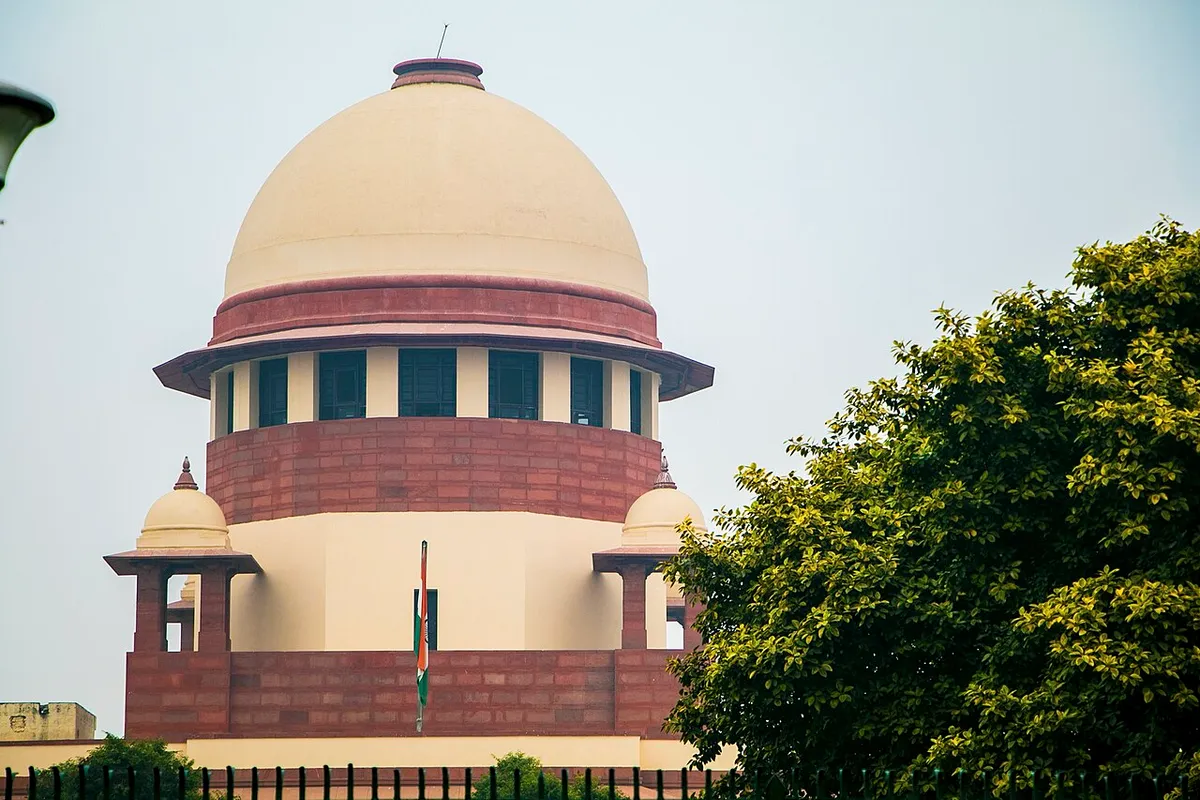
The Supreme Court has reaffirmed its March 11 judgment on the creamy layer rule for Other Backward Classes (OBC).
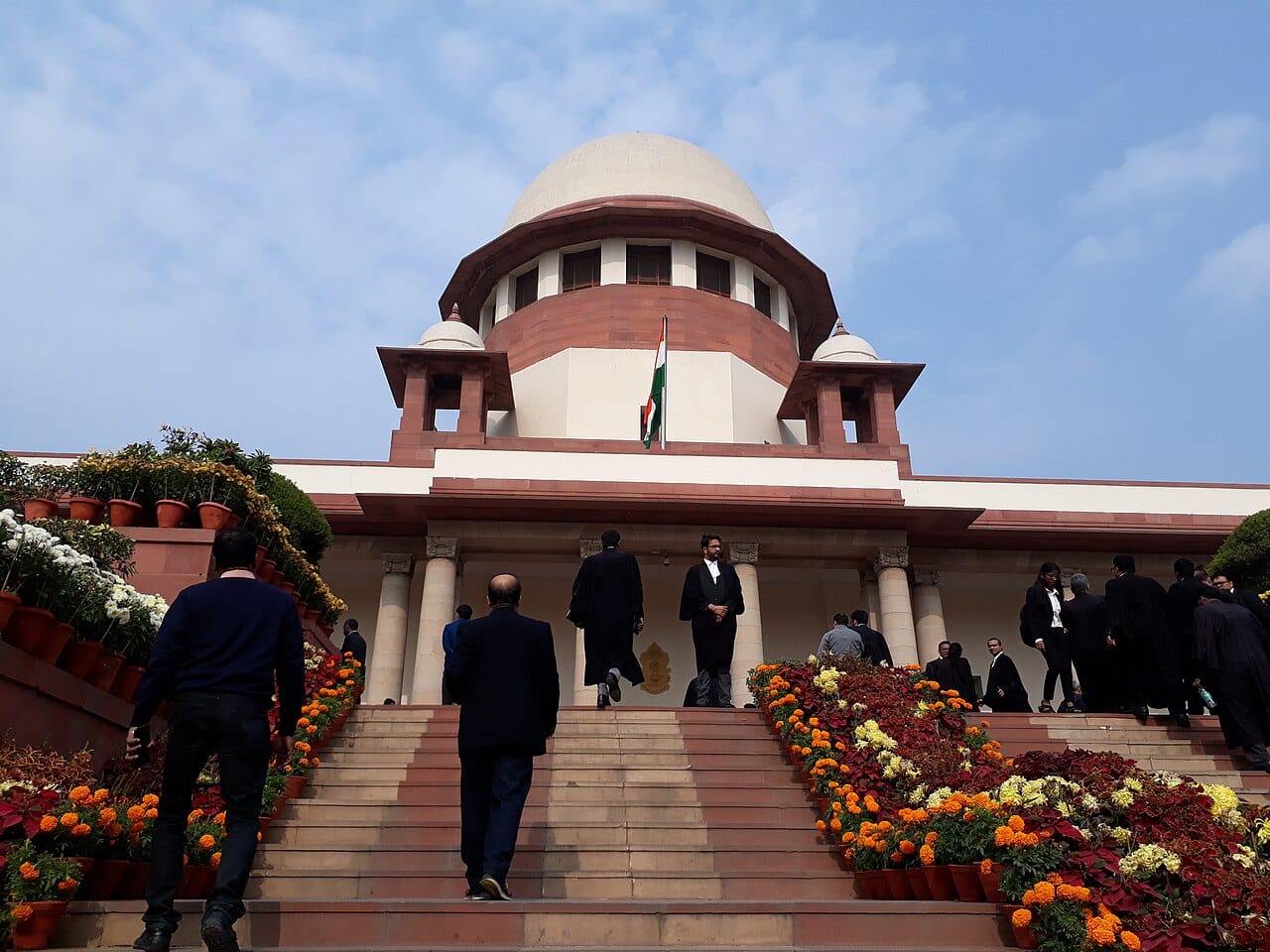
The ruling says a parent's salary or income cannot be the main test for creamy-layer exclusion.
This applies when the parent works in a public sector undertaking (PSU) or the private sector.
The Centre had asked the court to apply the verdict only from now on.
The bench refused, saying there was no convincing or reasonable reason to delay it.
The government had also sought two years to put the verdict into effect. The court rejected that request too.
Key points
- The Supreme Court reaffirmed its March 11 judgment.
- A parent's PSU or private sector salary cannot alone decide creamy-layer status.
- The Centre's plea to delay the verdict was rejected.
- Earlier completed selections will not be reopened because of this ruling.
What does this mean for OBC candidates?
The court said the candidates in this case fall within the non-creamy layer of OBC.
They are entitled to the reservation benefit.
They will get posts in the selection processes they took part in.
The court also said this will not harm the seniority of other people.
Why are older selections not being reopened?
The Department of Personnel and Training (DoPT) wrote a letter on December 20, 2016.
It said selections for the Civil Services Examination, 2016 depended on pending appeals.
The court said the ruling alone cannot reopen selections completed before March 11, 2026.
- December 20, 2016DoPT letter said Civil Services 2016 selections depended on pending appeals.
- March 11, 2026Supreme Court judgment: a parent's salary or income cannot be the main creamy-layer test.
- November 6, 2026The Statesman reported the Supreme Court reaffirming the March 11 judgment.
Graphic: News Anek, from the facts in this report
Other people in similar situations can approach the concerned courts, tribunals or authorities.
Those bodies will decide such claims on their own merits.
The court also said the 1993 office memorandum and a 2004 letter may be considered.
So what happens next?
The order applies to the parties before the court. Other claims will be decided where they are pending.
The court did not say when the change will be fully carried out.
Further updates on this case will matter for candidates and departments.
Explainer
What happened before
- The Supreme Court gave a judgment on March 11 in the Union of India vs Rohith Nathan case.
- The judgment said a parent's PSU or private sector income cannot alone decide creamy-layer exclusion for OBCs.
- The Centre then asked that the verdict apply only prospectively, and sought two years to implement it.
Why it matters
The ruling affects how the creamy layer test is applied to OBC candidates in selection processes across India.
What to watch next
- The court said other similar claims will be decided on their own merits by the concerned courts, tribunals or authorities.
Exam Corner
UPSC GS Paper 2 · Polity: Reservation and creamy layer
What's the news
The Supreme Court reaffirmed its March 11 judgment that a parent's PSU or private sector income cannot alone decide OBC creamy-layer exclusion. It rejected the Centre's plea for prospective application.
Background
- The March 11 judgment was delivered in the Union of India vs Rohith Nathan case.
- The 1993 office memorandum sets the status and category of the parent's post, along with the income or wealth test.
- A DoPT letter of December 20, 2016 said Civil Services Examination 2016 selections depended on pending appeals.
Facts for Prelims
- Creamy layer exclusion applies to Other Backward Classes (OBC)
- The 1993 office memorandum and a 2004 letter are relevant
- Case: Union of India vs Rohith Nathan
Content for Mains
- Significance: Clarifies that a parent's PSU or private salary alone cannot decide OBC creamy-layer status.
- Main issue: Balancing fair reservation benefits with the stability of selections already completed.
- Challenges: Similar claims pending before various forums may need case-by-case decisions.
- Way forward: Consistent application of the 1993 office memorandum across departments and forums.
Practice question: Discuss how the creamy layer test for OBC reservation can balance social justice with the protection of settled appointments.
Prelims practice questions
Q1. According to the March 11 judgment, what alone cannot decide creamy-layer exclusion for OBC candidates?
- Status of the parent's post
- Income of a parent working in a PSU or private sector
- The income or wealth test
- The 1993 office memorandum
Show answer
Answer: B. The court said a parent's salary or income in a PSU or private sector cannot by itself be the determinative criterion.
Q2. What did the DoPT letter dated December 20, 2016 clarify about Civil Services Examination 2016 selections?
- They were final and could not be challenged
- They would be decided by the Centre alone
- They were cancelled by the government
- They were subject to the outcome of pending appeals
Show answer
Answer: D. The letter said those selections were subject to the outcome of appeals pending before the Supreme Court.
Key terms
- Creamy layer: Well-off sections within a backward class who are excluded from reservation benefits.
- Prospective application: A ruling applied only to future events, not to past cases.
- Office memorandum (OM): An official government note or order that sets out a rule or policy.
More stories for exam preparation: UPSC Today
These points come from this news report. Check them with standard sources such as NCERT books and PIB before your exam.